You are standing in front of the bathroom mirror, the harsh morning light of the Australian sun streaming through the window, and you notice it. A fine line near the corner of your eye that wasn’t there last summer, or perhaps a slight loss of elasticity along the jawline that makes your face look perpetually tired. It is a common moment of realization for many of us living under the intense Southern Hemisphere UV index. The search for a solution often leads to a confusing wall of glass bottles at the pharmacy or high-end department store, each promising to turn back the clock. Selecting the right serum isn’t just about the brand name; it is about understanding the specific biological needs of skin that has been subjected to high-intensity radiation and environmental stress.
In the Australian market, we are uniquely positioned. We have access to some of the most advanced sun-care and repair technology in the world, yet the sheer volume of options can be paralyzing. This analysis is not a quick list of favorites. Instead, it is an exploration of what actually works for our specific climate, backed by ingredient data and the practical realities of daily application. We will look at the heavy hitters, the budget-friendly alternatives, and even how you can formulate a supplemental treatment at home to support your professional-grade products.
Which Anti-Aging Serum Ingredients Work Best for Australian Sun Damage?
The Australian climate is notoriously brutal on the skin’s dermal matrix. Because the ozone layer is thinner over our part of the world, we receive significantly higher levels of UVA and UVB radiation than many parts of the Northern Hemisphere. This leads to a specific type of aging known as photoaging, characterized by deep wrinkles, leathery texture, and solar lentigines (sun spots). To combat this, a serum must do more than just hydrate; it must provide active repair and robust antioxidant protection. The first line of defense is always Vitamin C, specifically L-ascorbic acid. This molecule neutralizes free radicals generated by UV exposure before they can damage the DNA of your skin cells. However, L-ascorbic acid is notoriously unstable, especially in the heat of an Australian summer, which is why the formulation’s pH and packaging are just as important as the concentration.
Beyond protection, we must look at cellular turnover. Retinoids remain the gold standard for a reason. They communicate with skin cells, encouraging them to behave like younger, healthier versions of themselves. In Australia, where the skin barrier is often compromised by dry air and sun, the choice of retinoid matters. Pure retinol can be too aggressive for some, leading many to seek out Retinaldehyde or encapsulated versions that release slowly over several hours. These derivatives provide the same collagen-stimulating benefits but with a significantly lower risk of the peeling and redness often associated with Vitamin A treatments. Niacinamide (Vitamin B3) is another local favorite because it strengthens the lipid barrier, helping the skin retain moisture while fading the hyperpigmentation that so many of us struggle with after years of beach days.
We also need to address the structural proteins: collagen and elastin. Peptides are short chains of amino acids that act as messengers, telling the skin to produce more collagen. Copper peptides, in particular, have shown remarkable efficacy in wound healing and skin remodeling. When combined with a high-quality Hyaluronic Acid—which can hold up to 1,000 times its weight in water—these ingredients create a plumping effect that provides immediate visual improvement while the more slow-acting actives like retinol work on the deeper layers of the dermis. The synergy between these ingredients determines whether a serum is effective or merely expensive water.
Top Rated Anti-Aging Serums in Australia: Reviews and Cost Comparisons
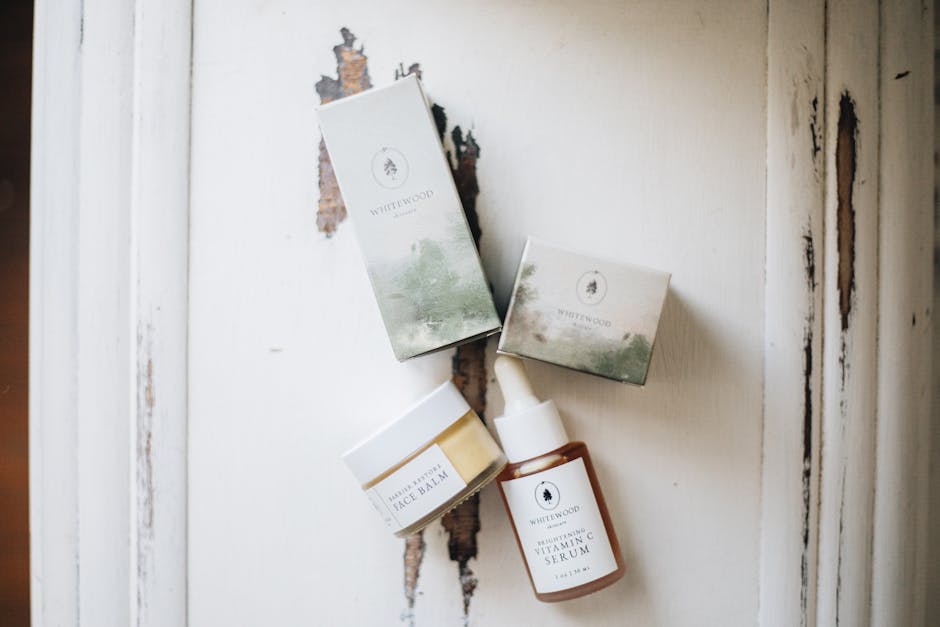
Navigating the retail landscape in Australia means comparing local icons with international giants. The following table provides a snapshot of the current market leaders based on efficacy, stability, and value for money.
| Product Name | Primary Active | Approx. Price (AUD) | Best For |
|---|---|---|---|
| SkinCeuticals C E Ferulic | 15% L-Ascorbic Acid | $240 – $260 | Advanced photoaging protection |
| Alpha-H Midnight Reboot | Retinol + Glycolic Acid | $100 – $120 | Resurfacing and glow |
| The Ordinary Retinol 0.5% | Pure Retinol in Squalane | $15 – $20 | Budget-conscious beginners |
| Emma Lewisham Supernatural | Bakuchiol (Vitamin A Alt) | $140 – $150 | Sensitive skin / Pregnancy safe |
| La Roche-Posay Hyalu B5 | Hyaluronic Acid + B5 | $65 – $75 | Dehydrated, sensitive skin |
SkinCeuticals C E Ferulic: The Gold Standard
This serum is frequently cited by Australian dermatologists as the benchmark for antioxidant protection. It contains a specific combination of 15% pure vitamin C, 1% vitamin E, and 0.5% ferulic acid. The addition of ferulic acid doubles the photoprotective benefits of the Vitamin C. Pro: Unmatched clinical data supporting its ability to prevent environmental damage. Con: The price point is a significant barrier for many, and the scent—often compared to hot dog water—can be off-putting. It is a thin, watery liquid that absorbs quickly, making it ideal for layering under sunscreen in the morning. If you spend significant time outdoors, this is the investment piece that pays dividends in skin health over decades.
Alpha-H Liquid Gold Midnight Reboot Serum: The Local Hero
Alpha-H is an Australian success story, and the Midnight Reboot serum is their answer to the complex needs of aging skin. It combines 1% Granactive Retinoid with 14% Glycolic Acid. This dual-action approach is aggressive but effective; the AHA removes dead skin cells on the surface, allowing the retinoid to penetrate more deeply. Pro: Noticeable results in skin texture and brightness within just a few applications. Con: It can be quite sensitizing. You cannot use this every night immediately; you must taper into it. It is also a thicker, cream-serum texture that might feel heavy for those with very oily skin. For the average Australian concerned with sun spots and dullness, this is a powerhouse option.
The Ordinary Retinol 0.5% in Squalane: The Entry Point
For those just starting their anti-aging journey, The Ordinary offers a no-frills approach. This serum uses pure retinol suspended in squalane, which helps to mitigate some of the dryness typically caused by Vitamin A. Pro: Extremely affordable and transparent about concentrations. Con: The squalane base is very oily and does not sit well under makeup. It also lacks the sophisticated delivery systems of more expensive serums, meaning the retinol may degrade faster if the bottle is not stored in a cool, dark place. It is a functional, utilitarian product that proves you don’t need to spend a fortune to get active ingredients onto your skin.
Emma Lewisham Supernatural Vitamin A Face Oil: The Natural Alternative
Based in New Zealand but widely popular across Australia, Emma Lewisham focuses on “clean” science. This serum uses Bakuchiol, a plant-based alternative to retinol that offers similar collagen-stimulating benefits without the irritation. Pro: Completely non-irritating and safe for use during pregnancy or breastfeeding. Con: Results take longer to appear compared to synthetic retinoids. It is a luxurious, nutrient-dense oil that feels wonderful on dry skin, but those with acne-prone skin should exercise caution as it contains several botanical oils that could be comedogenic. It represents the high end of the natural skincare market, focusing on sustainability and refillable packaging.
How to Layer Anti-Aging Serums for Maximum Efficacy Without Irritation
Buying the right serum is only half the battle; how you apply it determines whether those expensive molecules actually reach their destination. A common mistake is the “more is better” approach, where users stack multiple acids and retinoids in a single session. This almost always leads to a compromised skin barrier, which actually accelerates aging by causing chronic inflammation. The key is a strategic split between your morning and evening routines. In the morning, the focus is entirely on protection. After cleansing, your Vitamin C serum should be the first thing to touch your skin. Because Vitamin C is an antioxidant, it works in tandem with your SPF to neutralize the UV rays that inevitably bypass your sunscreen. Wait about 60 seconds for it to fully absorb before applying a hydrating serum or moisturizer.
The evening is when the heavy lifting of repair happens. This is the time for your Vitamin A (retinol) or resurfacing acids. These ingredients make your skin more photosensitive, so they should never be used during the day. If you are using a potent retinoid, consider the “sandwich method” if you have sensitive skin: apply a thin layer of moisturizer, then your serum, then another layer of moisturizer. This slows down the penetration of the active ingredient, reducing the risk of a reaction without neutralizing the benefits. Furthermore, pay attention to the pH of your products. Applying a low-pH Vitamin C immediately after a high-pH cleanser can render the serum ineffective. Using a pH-balanced cleanser or waiting 15 minutes for your skin’s natural pH to reset can make a measurable difference in product performance.
Consistency is the final, most important factor in any anti-aging regimen. Skin cells take roughly 28 to 40 days to turn over, and this process slows down as we age. You cannot judge a serum’s effectiveness after a week. Most clinical studies on retinoids and peptides show significant results only after 12 weeks of consistent use. If you find a product that feels good on your skin and fits your budget, stick with it. Jumping from brand to brand every three weeks prevents the skin from ever reaching a state of equilibrium with the active ingredients. Patience is a prerequisite for long-term dermatological success.
Always perform a patch test on your inner forearm before applying a new active serum to your face. Australian skin is often more reactive due to cumulative sun exposure, and a 24-hour wait can save you from a week of facial irritation.
DIY Anti-Aging Face Oil Recipe: Creating a Potent Botanical Alternative at Home
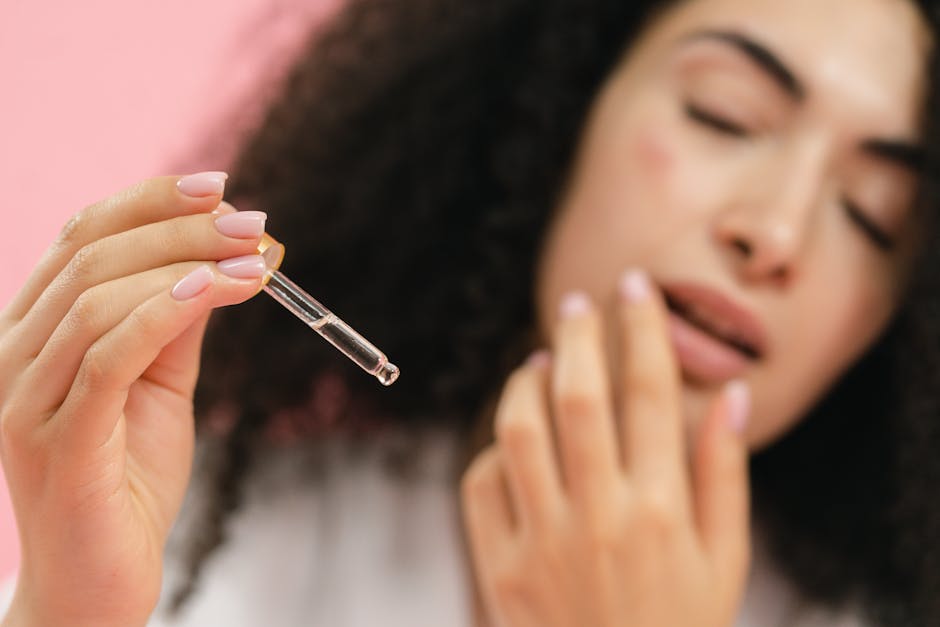
While lab-synthesized serums like those from SkinCeuticals are hard to replicate at home due to stabilization requirements, you can create a highly effective, nutrient-dense anti-aging face oil to use as a final step in your routine. This recipe focuses on botanical oils that are naturally high in trans-retinoic acid and essential fatty acids, providing a boost of nourishment that complements your morning and evening actives. This is particularly useful for the dry Australian winter months when the air strips moisture from the skin.
Ingredients and Measurements
- 30ml Organic Rosehip Seed Oil: High in natural Vitamin A and Vitamin C, this is the base of our recipe.
- 15ml Jojoba Oil: Closely mimics human sebum, ensuring the blend absorbs rather than sitting on the surface.
- 5ml Pomegranate Seed Oil: Rich in punicic acid, an extremely potent antioxidant.
- 3 drops Vitamin E Oil: Acts as a natural preservative and skin healer.
- 2 drops Frankincense Essential Oil: Known for its skin-toning and cytophylactic properties.
Step-by-Step Preparation Instructions
- Sterilize a 50ml amber glass dropper bottle using boiling water or a high-percentage isopropyl alcohol. Ensure it is completely dry before proceeding, as water will cause the oil blend to go rancid.
- Using a small funnel, pour the Rosehip Seed Oil and Jojoba Oil into the bottle. These provide the carrier base that will deliver the more concentrated actives.
- Add the Pomegranate Seed Oil. This oil is quite thick and viscous, so you may need to drop it in slowly.
- Carefully add the Vitamin E and the Frankincense essential oil. Do not exceed the recommended drops of essential oil, as the facial skin is much more sensitive than the body.
- Secure the dropper cap and roll the bottle between your palms for 60 seconds to mix the ingredients. Avoid shaking vigorously, as this introduces oxygen into the oil, which can lead to oxidation.
- Store the bottle in a cool, dark cupboard. Because this recipe contains no synthetic stabilizers, it should be used within 3-4 months.
How to Incorporate This Recipe Into Your Routine
This DIY oil is best used as the final step in your evening routine, after your water-based serums and moisturizer. The oils act as an occlusive layer, locking in the hydration from your other products while the rosehip oil provides a gentle, natural dose of Vitamin A. For those with very dry skin, you can also mix two drops of this blend into your morning foundation for a dewy, youthful finish that protects against moisture loss throughout the day. By combining these high-quality DIY elements with scientifically proven commercial serums, you create a comprehensive approach to anti-aging that addresses both the structural and nutritional needs of your skin. This holistic method is the most reliable way to maintain a resilient, glowing complexion in the face of the Australian environment.