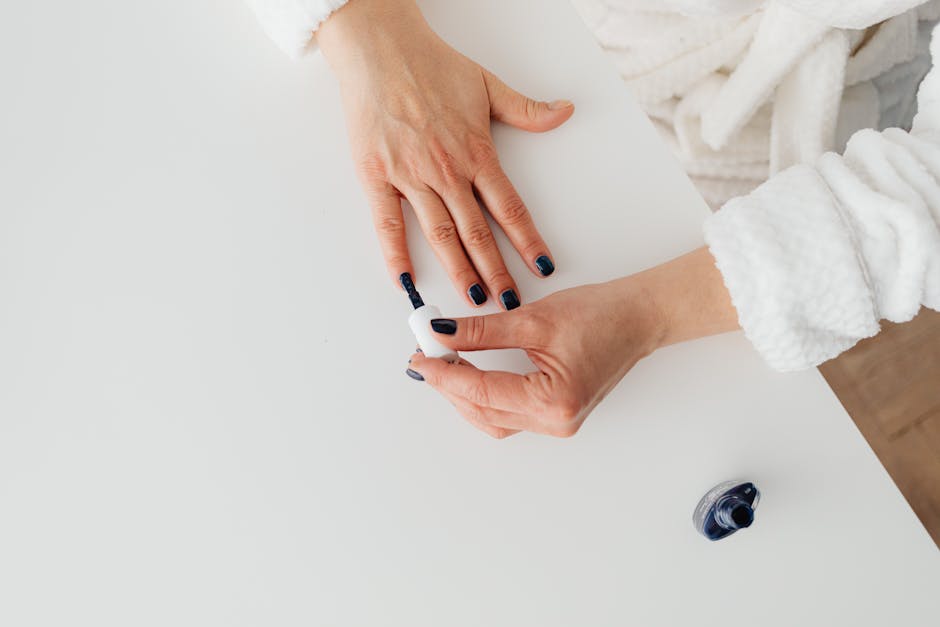
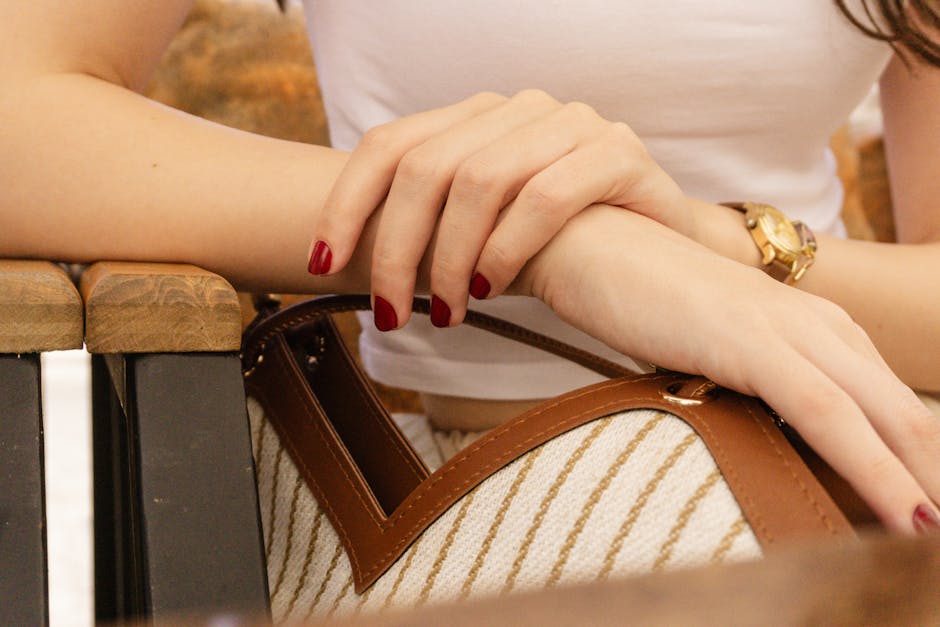
Picture someone’s nails across a coffee table from you — deep burgundy, completely flat, no reflection. No shimmer. Just dense, absorbed color that reads as a deliberate choice rather than a default finish. That’s the pull of matte nail art. The flat surface changes how a color reads entirely. Dark shades look richer. Nudes look architectural. Even a basic single-color manicure transforms into something that feels considered.
Getting that finish to actually last past day two is the part most tutorials skip. Matte nail art has specific rules around product choice, nail shape, color selection, and application order that separate a design that photographs beautifully on day one from the same design looking chalky and chipped by day three.
What follows covers five matte designs worth trying at home, the topcoat products that genuinely deliver a flat finish, and the situations where a different finish would serve you better.
What Matte Nail Art Actually Involves — and Why Most Attempts Fall Flat
Going matte isn’t one technique. It’s a decision between two different approaches, and each has real trade-offs depending on how you work and what you’re designing.
The Two Methods for Going Matte
Matte polishes — Zoya’s Matte Velvet collection (~$10 per bottle) and Cirque Colors’ matte formula being the strongest examples — contain fine silica particles suspended in the lacquer. They dry flat on their own without a topcoat. The advantage is richer color payoff and fewer layers. The limitation is shade range. You’re locked into whichever colors each brand offers in their matte formula, and layering effects like foil transfers or stamping becomes harder because the surface texture is already fixed from the first coat.
Matte topcoats — OPI Matte Top Coat ($12), Essie Matte About You ($11), Sally Hansen Insta-Dri Matte ($9) — go over any color you already own. This opens up the full spectrum of your existing collection. Want matte sage green? Take any sage green you have and finish with the topcoat. The trade-off is an additional layer: more drying time, and slightly increased risk of edge lifting by day four or five compared to a single-product matte polish.
Which Nail Shapes Hold Matte Designs Best
Matte finishes chip more visibly than glossy ones. On a glossy nail, a small corner chip blends in somewhat. On matte, that same chip catches ambient light and announces itself against the flat background.
Square and squoval shapes experience the most stress at the corners. That’s manageable for a three-day wear window with proper base coat prep. Oval and round shapes distribute edge stress more evenly — matte designs on oval nails realistically last five to seven days with a quality base coat underneath. Stiletto nails look striking in matte but need gel, not regular lacquer. A sharp, pointed tip puts too much mechanical stress on standard polish, and regular matte polish breaks at the tip within two days regardless of topcoat quality.
Colors That Work and Colors That Backfire
Warm nudes, deep burgundies, olive greens, slate blues, terracotta, and dusty rose all gain something when applied as matte. The flat finish makes pigment look denser than the same shade in gloss. Deep colors especially benefit — a burgundy that looks standard in gloss becomes almost velvet-like in matte.
Neons lose most of their intensity in matte and often look chalky rather than bold. Pastels can work, but they need three coats of color to avoid looking pale and washed out. Anything with shimmer or micro-flakies baked into the polish formula will look muddy under a matte topcoat — the topcoat kills the reflective quality of the shimmer without removing the particles, leaving a confusing surface that’s neither flat nor sparkly. Those polishes need to stay glossy.
Five Matte Nail Art Designs, Ranked by How Hard They Actually Are

These are ranked by the real skill level required, not by visual impact. The simplest designs on this list photograph just as well as the complex ones when executed precisely.
- Solid matte in one saturated color (Difficulty: 1/5). The most underrated design in nail art. Choose a rich, dark shade — Essie Bordeaux, OPI Lincoln Park After Dark, or Zoya Willa (a deep plum). Two coats of color, then OPI Matte Top Coat. Nothing else. Done with clean cuticles and even coverage, a single flat color outperforms most rushed complex designs in both photos and in person.
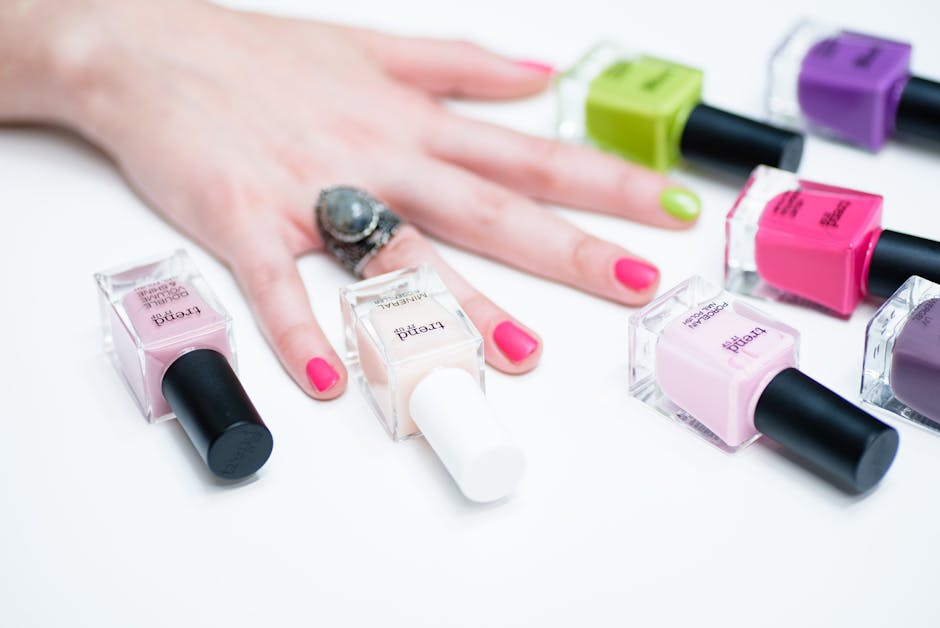
- Matte base with one glossy accent nail (Difficulty: 2/5). Apply matte topcoat to four nails. Leave one nail with regular gloss topcoat only. Use the same color on all five nails throughout. The contrast between finishes creates visual interest without any freehand skill. Ring finger is the traditional accent choice; the index finger reads more current and unexpected.
- Negative space French tip in matte (Difficulty: 3/5). Apply a sheer nude base over all nails. Use French tip stencils (Beetles Nail Art Stencils, ~$7 for a pack) or striping tape to block off the tips, then apply matte white or matte cream to just the tip area. Remove the tape before the second color reaches full cure — pulling dry tape drags the edge and creates a ragged line instead of a clean one. The result looks like a modern, deconstructed French without the dated gloss.
- Matte black with gold foil accents (Difficulty: 3/5). Paint all nails matte black using two coats of any black polish finished with Deborah Lippmann Flat Top ($20). Once completely dry, press gold nail foil sheets — Born Pretty Store sells multi-packs for ~$6 — onto specific sections using a thin layer of foil adhesive gel. Corner diagonals, lower crescents, or scattered geometric patches all work. The flat black against metallic gold is high-contrast and requires no freehand drawing. Placement judgment is the only real variable.
- Two-tone geometric tape design (Difficulty: 4/5). Choose two matte colors with strong tonal contrast: taupe and burgundy, sage and navy, or terracotta and cream work well. Apply the lighter shade as the full base coat. Once fully dry, lay striping tape across the nail surface in your chosen geometric pattern — diagonal splits and sharp triangles are the most forgiving shapes for first attempts. Paint the second color over the taped section. Pull the tape while the second color is still wet, not after it sets — dried polish tears at the edge rather than separating cleanly. Matte topcoat goes over both sections to unify the finish. Precision is non-negotiable; misaligned tape shows immediately against a flat, light-absorbing background.
Matte Topcoats Compared — What Each Product Actually Delivers
The product choice matters more than most tutorials acknowledge. Matte varies significantly between brands: some leave a slight satin residue, others achieve a true zero-sheen flat. Drying time and wear duration vary too — and those differences compound when you’re doing detailed nail art that you want to last.
| Product | Price | Dry Time | Finish Flatness | Longevity | Best Use Case |
|---|---|---|---|---|---|
| OPI Matte Top Coat | $12 | ~4 min | True flat | 4–5 days | All-around everyday use |
| Essie Matte About You | $11 | ~5 min | Slightly satin | 3–4 days | Lighter shades and nudes |
| Sally Hansen Insta-Dri Matte | $9 | ~2 min | True flat | 3–4 days | Budget pick, fast dry |
| Deborah Lippmann Flat Top | $20 | ~6 min | Ultra flat | 5–6 days | Dark colors, nail art longevity |
| Cirque Colors Matte Top Coat | $16 | ~4 min | True flat | 4–5 days | Nail art precision work |
| China Glaze Matte Magic | $10 | ~3 min | Slightly satin | 3 days | Quick finishes on light colors |
The Deborah Lippmann Flat Top is the clearest pick for dark nail art where longevity matters most. OPI hits the practical balance between price and consistent performance. Skip China Glaze Matte Magic on anything deeper than a medium tone — the satin residue is visible on dark colors and undercuts the whole point of going matte.
Why Your Matte Finish Goes Shiny by Midday
Skin produces sebum. Your fingertips are near your nails. Every time you touch your face, your hair, a phone screen, or anything with natural oils, trace amounts transfer to the nail surface. Matte finishes have no gloss barrier to absorb this — so they show oil transfer faster and more obviously than glossy nails do. The shine you see by midday isn’t the topcoat failing. It’s your skin chemistry working normally.
A light mist of setting spray — Morphe Continuous Setting Mist (~$14) or any affordable drugstore alternative — over finished nails adds a thin barrier that slows oil penetration noticeably. Reapply after washing hands. Apply hand cream around the nail edge, not over the nail surface. Those two habits extend a true matte finish by a full extra day without changing any products.
When to Choose Velvet, Chrome Matte, or a Gloss Mix Instead
Is Velvet Nail Powder Worth Adding to Matte Designs?
Velvet nail powder — fine flocking fiber pressed onto a tacky topcoat — creates a fuzzy, fabric-like surface that absorbs light similarly to matte. Born Pretty Store sells velvet powder sets for around $8–10 in multiple colors. It’s not technically matte, but it shares the same flat, textured, light-absorbing quality that draws people to matte in the first place.
Velvet works best as a single accent nail paired with standard matte on the other four. Full velvet across all ten nails loses the textural contrast that makes the effect interesting. The practical downside is significant: velvet catches lint, pet hair, and fiber debris aggressively. If you wear fleece regularly or have cats, plan for touch-ups or a shorter wear window than standard matte designs.
What Is Chrome Matte Powder and How Is It Different?
Chrome matte powder — sometimes called chameleon matte — creates a mirror-like metallic surface that reads flat from certain angles and reflective from others. Modelones and BORN PRETTY both sell chrome matte powder kits for $10–15. The effect works particularly well over dark bases with sharp geometric shapes, and the angular contrast is striking in person.
The critical limitation: chrome matte powder requires a gel polish base and a UV or LED lamp to cure. It isn’t compatible with regular lacquer without a gel setup at home. If you’re doing standard at-home manicures without gel equipment, chrome matte powder won’t work in your current process — and applying it over regular polish produces a powdery, smeared result rather than the clean mirror surface it’s known for.
Should You Mix Matte and Gloss in One Design?
Yes — and it’s one of the most effective techniques available precisely because it requires no freehand skill. Apply matte topcoat over the full nail and let it cure completely. Then use a thin detail brush to paint regular gloss topcoat over specific areas only: nail edges, diagonal stripes, geometric shapes, or the lower crescent. The gloss sits visibly above the matte background without bleeding or dragging.
Matte black with gloss geometric lines over the top reads architectural and deliberate. On lighter bases, the contrast is subtler but still lands as an intentional design choice rather than an unfinished look. Total material cost is two topcoats you likely already own — no additional products required, no tape, no stamping plates.