The shelf holds forty products. Every one of them promises clear skin. You’ve already tried three of them, and the breakouts are still in the same spots they’ve been for the last eight months.
This is not a product quality problem. It’s a targeting problem.
Acne is not a single condition. It’s three or four different conditions that look similar on the surface and require completely different active ingredients to treat. Using a salicylic acid toner on deep cystic acne does almost nothing. Using a benzoyl peroxide wash on plain blackheads is marginally more useful than water. The most common reason acne treatments fail isn’t that they’re weak — it’s that they’re pointed at the wrong problem entirely.
What follows is a structured approach to figuring out what you’re actually dealing with, which ingredient addresses it, and which specific products are worth your money in 2026.
Why Most Acne Products Fail Before You Even Open Them
Acne forms when dead skin cells, sebum, and sometimes bacteria get trapped inside a hair follicle. That’s the shared starting point. Where things diverge is in what happens next — and that divergence is why products that work brilliantly for one person do nothing for another.
Comedonal acne — blackheads and whiteheads — is a pore-clogging issue. There’s no significant bacterial component at this stage. The follicle is physically blocked by a mix of dead skin and oxidized sebum. The ingredient that addresses this has to be oil-soluble to penetrate inside the follicle: that’s salicylic acid (beta-hydroxy acid, or BHA). Benzoyl peroxide works primarily on the skin’s surface and has limited ability to dissolve internal clogs. It’s the wrong tool for this job.
Inflammatory acne — the red, raised, painful pimples — involves bacterial overgrowth of Cutibacterium acnes inside a follicle. This is benzoyl peroxide’s territory. At concentrations above 2.5%, effectiveness doesn’t meaningfully increase, but irritation does. The 10% versions aren’t twice as effective as 5%. They’re just harsher.
Cystic acne is a separate category. These are deep, painful nodules that sit below the skin surface and often don’t come to a head for weeks. No over-the-counter active ingredient has reliable access to them. If you’ve had the same cystic pimple cycling through the same spot on your jaw repeatedly, you’re likely dealing with a hormonal driver that topicals cannot touch.
How the Wrong Product Damages Your Skin Barrier
Using a high-concentration benzoyl peroxide wash daily on non-inflammatory acne doesn’t just fail to help — it strips the lipid layer, disrupts the acid mantle, and causes the skin to overproduce sebum as compensation. More sebum means more clogs. The product actively worsens the condition it’s meant to treat.
The same pattern plays out with over-exfoliation. Two BHA products in one routine, or a BHA and an AHA applied the same evening without spacing, can break down the skin barrier until it generates breakouts purely from irritation. These look identical to real acne in the mirror. But they’re a reaction to the treatment, not a continuation of the original problem.
When No Topical Brand Can Help
Hormonal acne has a recognizable pattern: it clusters around the chin, jaw, and neck; it peaks in the two weeks before menstruation; it tends to arrive as deep, cystic-type bumps rather than surface whiteheads. For this pattern, oral spironolactone (a prescription medication, often under $15/month with insurance or GoodRx) consistently outperforms every topical option at any price point. The acne responds to androgen fluctuations. A cream applied to the surface cannot intercept that signal. Recognizing this boundary early saves months of wasted spending on products that were never going to work.
How to Read What Your Skin Is Actually Doing
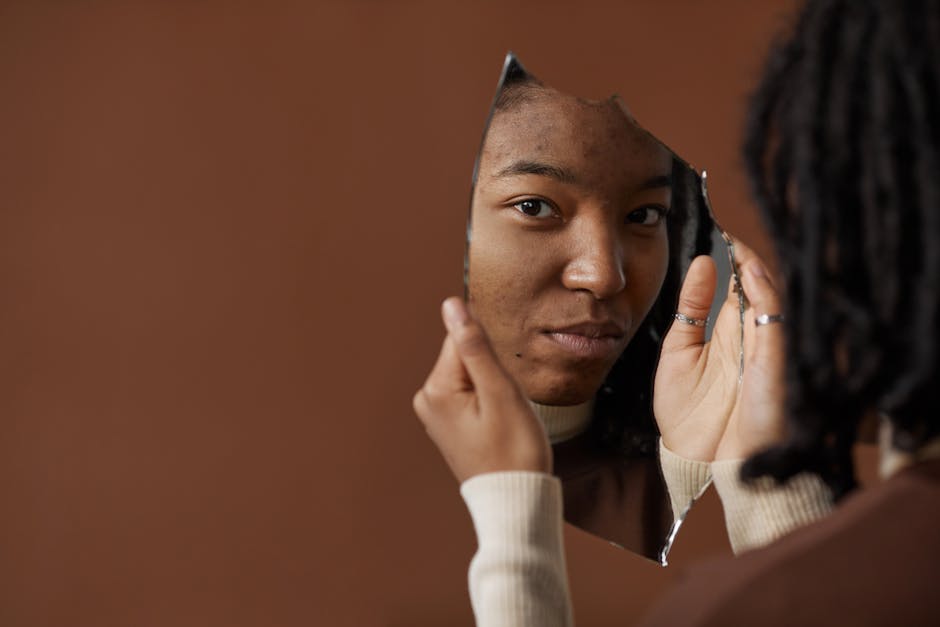
Does your acne feel rough, or does it feel raised?
Run a fingertip across the affected area with your eyes closed. If the skin feels like fine sandpaper — textured, bumpy, but not tender — that’s comedonal acne. Blackheads, whiteheads, congestion. You need a BHA exfoliant, not an antibacterial.
If the bumps are raised above the surface, warm to the touch, and hurt when pressed, that’s inflammatory. You need benzoyl peroxide or a prescription antibiotic. If they’re deep, hard, and painful without ever coming to a head, see a dermatologist before spending more on OTC products — no shelf product will reliably reach them.
Is there a timing or location pattern?
Breakouts following a monthly hormonal cycle are not random and won’t respond to topical brands long-term. Breakouts that spike after sleeping in makeup, after high-stress weeks, or after traveling often have an identifiable environmental trigger. Breakouts that appear in the same three or four locations month after month, without variation, typically reflect a follicle-structure issue that retinoids address better than anything else. Location and timing tell you more about the right treatment than any ingredient list.
Has your skin been stripped or over-treated recently?
If you’ve just finished a period of aggressive exfoliation, a round of topical antibiotics, or any regimen that left your skin flaky and tight — the barrier is likely compromised. Adding more actives onto a broken barrier extends the inflammation and makes every product perform worse. Two weeks of only a gentle cleanser and a plain moisturizer often resets the skin enough that actives work properly when reintroduced. This feels slow. It actually shortens the total timeline.
The One Active Ingredient With the Strongest Evidence
Adapalene. Not benzoyl peroxide, not salicylic acid — adapalene consistently produces the broadest improvement across acne types, addresses post-inflammatory hyperpigmentation (the dark marks pimples leave behind), and prevents new breakouts at the follicle level before they form. It works on both comedonal and inflammatory acne simultaneously.
The only catch: it takes 12 weeks minimum to evaluate. Most people quit at week six.
How the Major Acne Treatment Brands Actually Compare
These are the brands that appear consistently in dermatology literature, clinical trials, and long-term user outcomes — not just marketing spend.
| Brand | Best Acne Type | Star Product | Key Active | Price (approx.) | Barrier Safe? |
|---|---|---|---|---|---|
| CeraVe | Mild inflammatory, sensitive skin | Acne Foaming Cream Cleanser | Benzoyl peroxide 4% | $13–$17 | Yes — ceramides built into formula |
| La Roche-Posay | Moderate inflammatory, oily skin | Effaclar Duo (+) | Benzoyl peroxide 5.5% + LHA | $28–$35 | Yes |
| Paula’s Choice | Comedonal acne, blackheads, texture | Skin Perfecting 2% BHA Liquid | Salicylic acid 2% | $32–$36 | Yes |
| Differin (Galderma) | All types, chronic or persistent acne | Differin Gel 0.1% | Adapalene 0.1% | $15–$18 | Moderate — needs moisturizer paired with it |
| PanOxyl | Moderate to severe inflammatory | Acne Foaming Wash 10% BP | Benzoyl peroxide 10% | $10–$14 | Low — significant barrier-stripping risk daily |
| The Ordinary | Comedonal acne, budget routines | Salicylic Acid 2% Solution | Salicylic acid 2% | $5–$7 | Moderate |
| COSRX | Sensitive or reactive skin, comedonal | BHA Blackhead Power Liquid | Betaine salicylate 4% | $22–$27 | High — gentlest BHA option available OTC |
COSRX uses betaine salicylate rather than traditional salicylic acid. It works more slowly but causes far less initial irritation — no fragrance, no alcohol, no silicones. Their Acne Pimple Master Patch (~$5 for 24 patches) is also one of the best-value spot treatments on the market: hydrocolloid technology that draws fluid from active pimples overnight, visibly flattens them by morning, and physically prevents picking.
One brand worth skipping: Proactiv. The formula is benzoyl peroxide, salicylic acid, and a moisturizer — nothing proprietary. The subscription runs $30–$50 per month for ingredients available separately at a fraction of the cost. La Roche-Posay Effaclar Duo and CeraVe’s acne line do the same job for less money and with better formulations. Proactiv survives on brand recognition built in the 2000s, not on current formula merit.
Six Mistakes That Keep Acne Coming Back
- Stopping treatment at week four. Dermatologists don’t evaluate whether an OTC acne treatment is working until week eight to twelve. Week four is often the point of maximum visible disruption — purging clogs, adjusting to retinoids — not a signal of failure. Quitting here is the single most common reason people write off products that would have cleared their skin in another six weeks.
- Using benzoyl peroxide and adapalene in the same application. Benzoyl peroxide oxidizes retinoids and degrades their potency significantly. If you’re using Differin Gel and a benzoyl peroxide product in the same routine, use them at separate times: BP in the morning, adapalene at night. Layering them together wastes both products.
- Washing more than twice daily. Acne-prone skin doesn’t benefit from three or four cleanses. Overwashing strips the acid mantle and causes rebound sebum production — the same conditions that worsen breakouts. Even PanOxyl’s high-strength wash is meant as a once-daily treatment, not an emergency response to every new pimple.
- Skipping moisturizer on oily skin. Oil (sebum) and water content are different variables. A non-comedogenic moisturizer — CeraVe PM Facial Moisturizing Lotion or Neutrogena Hydro Boost Gel-Cream — does not cause breakouts on oily skin. It protects the barrier that your actives are constantly challenging. Leaving it out extends the irritation cycle.
- Spot treating only on visible pimples. The blocked follicles that become next week’s breakouts already exist below the surface right now — just not visible yet. Apply BHA or benzoyl peroxide to the entire acne-prone zone every time, not just on erupted pimples. Treatment is preventive, not just reactive.
- Stacking multiple actives at once. A BHA toner, a retinol serum, a benzoyl peroxide spot treatment, and an AHA exfoliant all in one evening routine is almost certain to cause barrier damage. One active at a time. Introduce new products at four-week intervals minimum so you can actually identify what’s working and what’s causing a reaction.
A Specific Recommendation for Each Acne Type
Here’s the exact product for your situation — no hedging.
Mostly blackheads, rough texture, and congestion
Paula’s Choice Skin Perfecting 2% BHA Liquid is the clearest pick in 2026. Apply it once daily on dry skin after cleansing — don’t rinse it off — and give it a full eight weeks. If $34 is a barrier, The Ordinary Salicylic Acid 2% Solution at $6 produces roughly 80% of the same outcome with a simpler formula. Don’t pair either with another exfoliant in the same routine.
Red, raised, inflamed pimples that cycle repeatedly
La Roche-Posay Effaclar Duo (+) at roughly $30 is the best-formulated option in this category. It pairs 5.5% benzoyl peroxide with lipo-hydroxy acid for gentle simultaneous exfoliation, and it doesn’t strip the skin barrier the way a 10% BP wash does. For genuinely sensitive skin that reacts to Effaclar, step down to CeraVe Acne Foaming Cream Cleanser at 4% BP — gentler because of the ceramide base, and effective for mild to moderate inflammatory acne without the dryness risk.
Chronic acne that hasn’t responded to BHA or benzoyl peroxide
Start Differin Gel (adapalene 0.1%, $15–$18). Use it every third night for the first three weeks, then every other night through week eight, then nightly. Always apply a plain moisturizer over it. The purge in weeks two through six is the follicles clearing trapped debris — normal and expected. Evaluate at week sixteen with clear eyes. If there’s no meaningful improvement by then after a consistent protocol, that’s the signal for a dermatology appointment and a prescription for tretinoin or combination oral therapy.
Sensitive, reactive skin that flares with most actives
COSRX BHA Blackhead Power Liquid is the most barrier-friendly BHA available without a prescription. Start with two applications per week and increase only if tolerated. Add the COSRX Acne Pimple Master Patch for active breakouts. Cap the total routine at three products until the skin stabilizes — sensitive acne-prone skin responds worse to complexity than almost any other skin type, and a stripped-down routine will outperform an elaborate one almost every time.