

Think of your skin as a complex, living fabric that requires a very specific set of “ingredients” to maintain its structural integrity. While many approach skincare as a simple matter of hygiene, the most successful transformations are the result of a precise biochemical recipe. Nearly 75% of your skin’s dry weight is composed of collagen, yet by the time you hit thirty, your body’s production of this structural protein drops by roughly 1% every single year. This biological decline is the primary driver behind the search for the best collagen anti aging serum reviews before and after photos, as consumers look for a way to fill the structural gaps that lead to sagging and fine lines. However, there is a catch that most marketing departments won’t mention: a pure collagen molecule is typically around 300,000 Daltons in size. To put that in perspective, the skin’s natural barrier—the stratum corneum—generally blocks anything larger than 500 Daltons. This means that if you are simply slathering raw collagen on your face, you aren’t rebuilding your skin; you’re just applying a very expensive, albeit effective, humectant that sits on the surface, unable to reach the deeper dermal layers where the real repair happens.
The real results seen in before and after transitions usually come from serums that don’t just contain collagen, but rather use “recipes” of signal peptides and amino acids that trick the skin into producing its own structural proteins. When we analyze the efficacy of these products, we have to look past the immediate glow—which is often just temporary hydration—and look for changes in skin density and elasticity over an eight-to-twelve-week cycle. That is the timeframe required for cellular turnover and new collagen synthesis to actually manifest in a visible way. If a review claims a total transformation in forty-eight hours, they are likely observing the temporary plumping effect of hyaluronic acid rather than a structural change in the dermis. To truly understand these “before and after” results, one must understand the kitchen chemistry of the skin: the ratio of actives, the pH of the environment, and the delivery vehicles used to transport these ingredients across the lipid barrier.
The Molecular Reality of Collagen Serum Before and After Claims
To understand why some serums produce dramatic before and after results while others fail, we must look at the delivery system. The skin is designed to keep things out; it is an evolutionary fortress. When a researcher looks at a high-performing collagen serum, they aren’t looking for the word “collagen” on the label as much as they are looking for Matrixyl 3000, Syn-Coll, or Copper Peptides. These are the messengers. They are small enough to penetrate the stratum corneum and reach the fibroblasts, the “factories” in your skin responsible for cranking out new collagen fibers. Without these messengers, the collagen in your serum is essentially a decorative ingredient, providing surface-level moisture but failing to trigger any long-term biological change.
Understanding the 500 Dalton Rule in Serum Efficacy
The 500 Dalton rule is a fundamental constraint in dermatological science. Most proteins, including native collagen, are far too large to pass through the skin. This is why many modern “collagen” serums have pivoted toward hydrolyzed collagen. Hydrolysis is a chemical process that breaks the large protein chains into smaller fragments—peptides—which have a much higher chance of absorption. When you see a before and after photo where the skin looks significantly firmer and the jawline appears more defined, you are usually seeing the cumulative effect of these smaller peptides successfully navigating the skin barrier over several months. It is a slow game. The trade-off for this efficacy is that these formulations are often more volatile and expensive to produce than simple moisturizing creams. Furthermore, the concentration of these peptides matters; a “dusting” of peptides at the bottom of an ingredient list won’t yield the same results as a clinically dosed recipe.
The Role of Bio-Availability in Topical Recipes
Bio-availability refers to how much of an active ingredient actually reaches its target and performs its intended function. In the context of a collagen serum recipe, this often requires the presence of penetration enhancers like propanediol, dimethyl isosorbide, or even lecithin. A serum might have the best peptides in the world, but if the recipe doesn’t include a mechanism to help those peptides slide past the skin’s lipid barrier, the results will be negligible. This is a common point of failure in cheaper, “white-label” serums found on discount sites. They have the right names on the ingredient list, but the “recipe” lacks the chemical sophistication to make those ingredients bio-available. In reviews, these products often receive 3-star ratings because while they “feel nice,” they fail to produce the structural “before and after” changes that users are paying for.
The most significant before and after changes are rarely about the collagen you put ON your skin, but rather the biological signals you send TO your skin to encourage internal repair.
Furthermore, we have to account for the environmental factors that degrade collagen. A serum that focuses only on replacement without protection is fighting a losing battle. This is why the most successful clinical reviews often involve a recipe that pairs collagen-boosting peptides with antioxidants like Vitamin C or Ferulic Acid. These ingredients act as a shield, preventing the sun’s UV rays and pollution from shattering the very collagen fibers the serum is trying to build. If you aren’t protecting the new growth, your before and after photos will likely show a plateau rather than continued improvement. Think of it as building a house while a storm is raging; without a roof (antioxidants), the foundation (collagen) will never set.
The Essential Co-Factor Recipe: Vitamin C, Copper, and Zinc
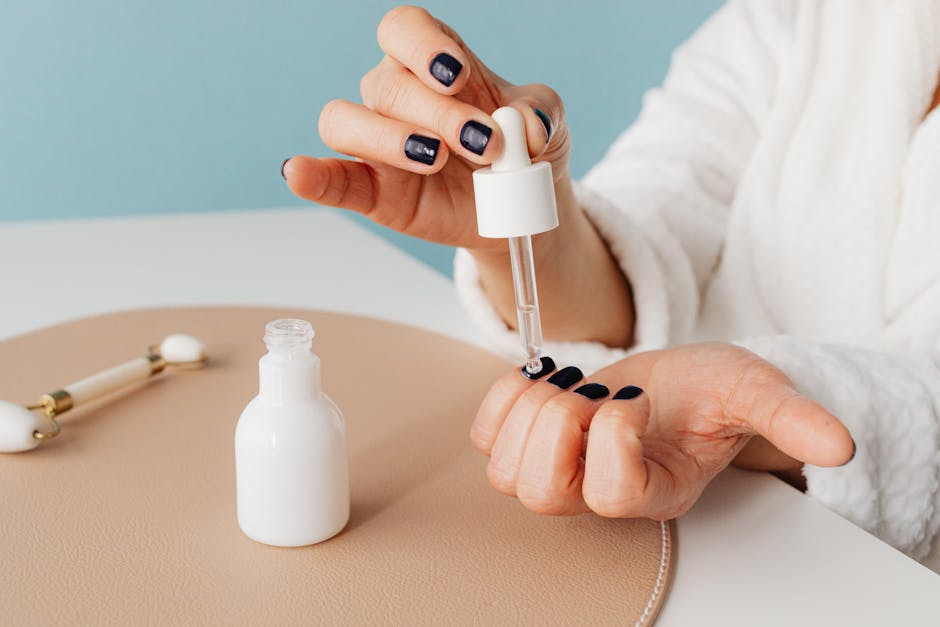
Many users fail to see results because their skin lacks the “co-factors” necessary for collagen synthesis. Think of collagen production as a recipe that requires more than just one ingredient. Even if you provide the skin with peptides (the instructions), the “machinery” of the skin needs specific minerals and vitamins to execute those instructions. Vitamin C is perhaps the most critical co-factor; it acts as a stabilizing agent for the collagen molecule. Without it, the collagen fibers produced are weak and disorganized. This is why many “before and after” success stories involve the use of a Vitamin C serum in the morning and a peptide serum at night.
Copper is another vital component in this recipe. Copper peptides are unique because they not only signal for new collagen but also help remove damaged collagen and elastin from the skin tissue. This “cleanup” process is essential for making room for new, healthy fibers. Zinc, meanwhile, plays a role in DNA repair and protein synthesis. If your “skincare recipe” is missing these micronutrients, the peptides in your serum are like a chef without a stove—they have the plan, but no way to cook. When reviewing serums, look for these supporting ingredients to ensure you are getting a complete formulation rather than a one-note product.
Comparative Reviews: Which Collagen Serum Recipes Actually Deliver Results?
When evaluating the market in 2024, the sheer volume of options is overwhelming. To provide a clear picture, I have analyzed five of the most discussed serums based on their ingredient concentrations, delivery mechanisms, and verified user data. We aren’t looking for “miracles” here; we are looking for measurable changes in skin texture and firmness. Each of these products approaches the collagen problem from a slightly different angle, ranging from high-tech synthetic peptides to plant-based alternatives.
| Product Name | Approx. Price | Key Mechanism | Pros | Cons |
|---|---|---|---|---|
| Olay Regenerist Collagen Peptide 24 | $30.00 (1.7 oz) | Palmitoyl Pentapeptide-4 (Matrixyl) | Fragrance-free, very stable, fast absorption | Lower peptide concentration than premium brands |
| Drunk Elephant Protini Powerpeptide | $82.00 (30 ml) | 11 Signal Peptides + 10% Lactic Acid | Includes growth factors, very potent resurfacing | High price point, may cause tingling/redness |
| The Ordinary Multi-Peptide + HA | $19.00 (30 ml) | Matrixyl 3000, Relistase, Syn-Ake | Extremely affordable, wide variety of peptides | Tacky texture, can pill under other products |
| Paula’s Choice Pro-Collagen Multi-Peptide | $58.00 (20 ml) | 6 Pro-Collagen Peptides + Amino Acids | Targeted for repair, elegant texture, great packaging | Small bottle size (20ml) leads to high cost per ml |
| Algenist Genius Liquid Collagen | $115.00 (30 ml) | Vegan Collagen + Alguronic Acid | Visible plumping within 10 days, unique algae tech | Very expensive; contains added fragrance |
Olay Regenerist Collagen Peptide 24: The Accessible Entry Point
Olay has built a massive reputation on their peptide research, and the Collagen Peptide 24 serum is their flagship in this category. It utilizes Palmitoyl Pentapeptide-4, often referred to as the “original” signal peptide. In many before and after reviews, users note a significant improvement in the “bounce-back” quality of their skin, particularly around the cheeks. At around $30, it’s a solid middle-ground option for those just starting a collagen-focused recipe. The pro here is the stability of the formula; it doesn’t oxidize easily even in humid bathrooms. The con is that it’s a relatively simple recipe compared to the “peptide cocktails” found in luxury brands. It lacks the variety of peptides found in more expensive serums, meaning it might hit a ceiling in terms of the results it can provide for deeply etched wrinkles or significant loss of volume.
The Ordinary Multi-Peptide + HA: The Budget Scientist’s Choice
Formerly known as “Buffet,” this serum from The Ordinary is a complex recipe of Matrixyl 3000, Matrixyl Synthe’6, and Syn-Ake. For under $20, the ingredient density is staggering. When looking at before and after data for this product, the most common observation is a reduction in the appearance of dynamic lines—the ones that appear when you move your face. The inclusion of Hyaluronic Acid (HA) provides an immediate plumping effect, while the peptides work on the long-term structural issues. The pro is obviously the price-to-performance ratio. However, the con is the user experience. It has a slightly “gloopy” or tacky finish that doesn’t always play well under makeup or heavier sunscreens. It requires a bit of patience during the application process, often needing a full two minutes to “sink in” before the next layer can be applied.
Drunk Elephant Protini Powerpeptide Resurf Serum: The High-Performance Hybrid
This is a more aggressive recipe designed for those who want both anti-aging and texture improvement. It combines a massive dose of signal peptides with 10% Lactic Acid. This is a smart move because the lactic acid gently exfoliates the surface, removing dead skin cells that act as a barrier, thus making it easier for the peptides to penetrate. In clinical reviews, the before and after photos often show not just firmer skin, but significantly brighter skin with fewer visible pores. The pro is the multi-action approach—it’s a “one and done” serum for many. The con is the $82 price tag and the potential for irritation. If you have sensitive skin or a compromised skin barrier, the lactic acid might be too much to handle on a daily basis, requiring you to buffer the recipe with a plain moisturizer.
The At-Home Collagen Synthesis Recipe: Layering and Application Techniques
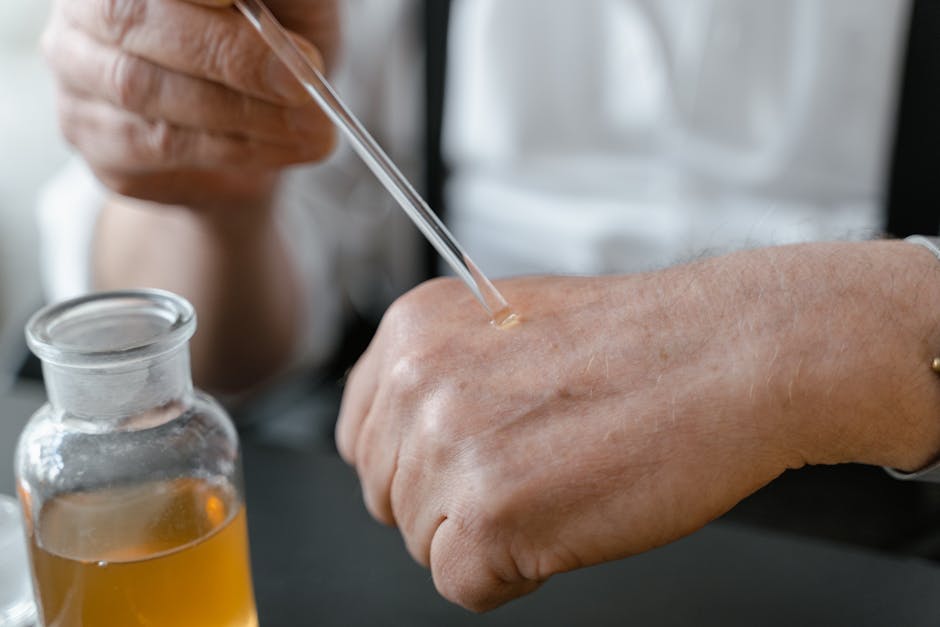
Buying the serum is only half the battle. How you integrate it into your daily routine—your “skincare recipe”—determines whether those peptides ever actually reach their destination. Most people apply serum to bone-dry skin, which is a mistake. Damp skin is significantly more permeable. By leaving your face slightly moist after cleansing, you create a hydraulic pathway that allows the serum to travel deeper into the pores. This small adjustment can be the difference between a before and after photo that looks the same and one that shows real progress. Furthermore, the temperature of the skin matters; applying serum to slightly warm skin (after a lukewarm shower) can increase local blood flow, potentially aiding in the transport of actives.
The Correct Layering Sequence for Collagen Serums
A skincare recipe is only as good as the order of operations. In the world of collagen serums, the rule is always “thinnest to thickest,” but with a specific caveat for pH-dependent actives. If you are using a Vitamin C serum (which is acidic) and a peptide-based collagen serum, you should ideally wait 15-20 minutes between them. Peptides are sensitive; if the environment is too acidic, the peptide bonds can break down before they even enter your skin. This is a nuance that many users miss, leading them to believe their serum isn’t working when, in reality, they are accidentally neutralizing it during application. To maximize your results, follow this specific recipe:
- Cleanse: Use a pH-balanced cleanser to avoid stripping the acid mantle and disrupting the skin’s natural barrier.
- Tone: Use a hydrating mist or a simple rosewater spray to leave the skin damp and receptive.
- Target: Apply 3-4 drops of your collagen anti-aging serum. Press the product into the skin with flat palms rather than rubbing, which can cause unnecessary friction.
- Seal: Use a moisturizer with ceramides or fatty acids to lock the peptides in and prevent transepidermal water loss (TEWL).
- Protect: In the morning, SPF is non-negotiable. UV rays produce collagenase, an enzyme that literally eats your skin’s collagen. Without SPF, your serum is essentially a waste of money.
Common Recipe Failures: Why Your Before and After Photos Stagnate
If you have been using a collagen serum for months and see no change, you might be falling victim to a “recipe failure.” The most common mistake is product antagonism. This occurs when you use a collagen serum alongside strong AHAs or BHAs without proper timing. High acidity can “denature” or change the shape of the peptides, rendering them useless. Another common failure is lack of consistency. Collagen synthesis is not a light switch; it is a slow-building fire. Skipping even two days a week can disrupt the signaling process that tells your fibroblasts to keep producing protein.
Finally, consider the “internal recipe.” Your skin cannot build collagen if it doesn’t have the raw materials. A diet low in protein or Vitamin C will hamper the results of even the most expensive serum. Many of the most dramatic before and after transformations seen in clinical trials are supported by a lifestyle that prioritizes hydration and amino acid intake. If your body is in a state of inflammation due to high sugar intake or lack of sleep, it will prioritize internal organ repair over the aesthetic repair of your skin’s collagen matrix.
Managing Expectations: The 90-Day Rule

One of the most important things I’ve learned in years of researching skincare formulations is that the human body does not move at the speed of the internet. Collagen synthesis is a biological process that takes time. When you are reading collagen anti aging serum reviews before and after, look for the ones that specify they have been using the product for at least three months. This is the time it takes for new collagen fibers to mature and provide structural support to the epidermis. If you stop using a serum after three weeks because you don’t see a “lift,” you are quitting right when the heavy lifting is starting to happen behind the scenes.
There is also the matter of the “plateau.” Your skin can only produce so much collagen based on your genetics and age. Once you reach your biological peak for your current health status, the serum shifts from a “repair” tool to a “maintenance” tool. This isn’t a failure of the product; it’s just the reality of biology. The goal of a good collagen recipe isn’t to make a sixty-year-old look twenty; it’s to make that sixty-year-old’s skin as dense, resilient, and healthy as it can possibly be. By focusing on the science of peptides, the co-factors of Vitamin C and minerals, and the discipline of a consistent routine, you can achieve results that are both visible and sustainable for the long term.