Hair loss doesn’t announce itself gradually. One day the shower drain looks fine, and then a few months later it doesn’t — and by then, whatever triggered the shedding happened three to six months ago. That gap is the reason so many conversations about hair loss focus on serums and shampoos instead of the more boring but more accurate answer: what you’re eating.
The Tamil kitchen is stocked with ingredients that nutritionists flag as genuinely useful for follicle health — not because of tradition, but because these foods contain measurable levels of the nutrients hair follicles actually require. This breakdown covers which ones matter, why they work at a biological level, and how to eat them in combinations that increase absorption.
Why Hair Follicles Are More Demanding Than You’d Expect
Hair grows from follicles — small protein factories embedded in your scalp. Each follicle cycles through three phases: anagen (active growth, lasting 2-7 years), catagen (transition, about 2 weeks), and telogen (resting and shedding, about 3 months). At any given point, around 85-90% of your follicles should be in anagen.
When your body faces nutritional shortfalls, it makes a triage decision. Hair is not essential for survival. So iron, zinc, and amino acids get directed toward organs first. Follicles get whatever’s left — and whatever’s left is often not enough to maintain normal growth cycles. The result: more follicles enter telogen prematurely, hair sheds, and because the shed happens 3-6 months after the deficit began, you’re essentially always investigating old evidence.
The Three Nutrients Hair Follicles Prioritize Most
Research consistently points to three nutrients as most critical: protein (hair is approximately 95% keratin, a structural protein), iron (specifically ferritin — storage iron — with levels below 30ng/mL strongly associated with hair loss even without clinical anemia), and zinc (required for DNA synthesis in the rapidly dividing cells inside each follicle). Biotin, vitamin D, and omega-3s are real contributors, but secondary. If you’re deficient in any of the first three, no amount of the others will compensate.
Why Standard Blood Tests Often Miss the Issue
Most routine panels check hemoglobin, not ferritin. You can have normal hemoglobin and severely depleted ferritin simultaneously. Hair follicles draw from ferritin stores, so depleted ferritin means compromised follicle function — regardless of what your hemoglobin says. If you’re experiencing significant shedding, specifically request a ferritin test, not just an iron panel. The threshold doctors treat as anemia (often below 12ng/mL) is not the same threshold at which follicles start underperforming.
Tamil Foods and the Nutrients They Actually Deliver
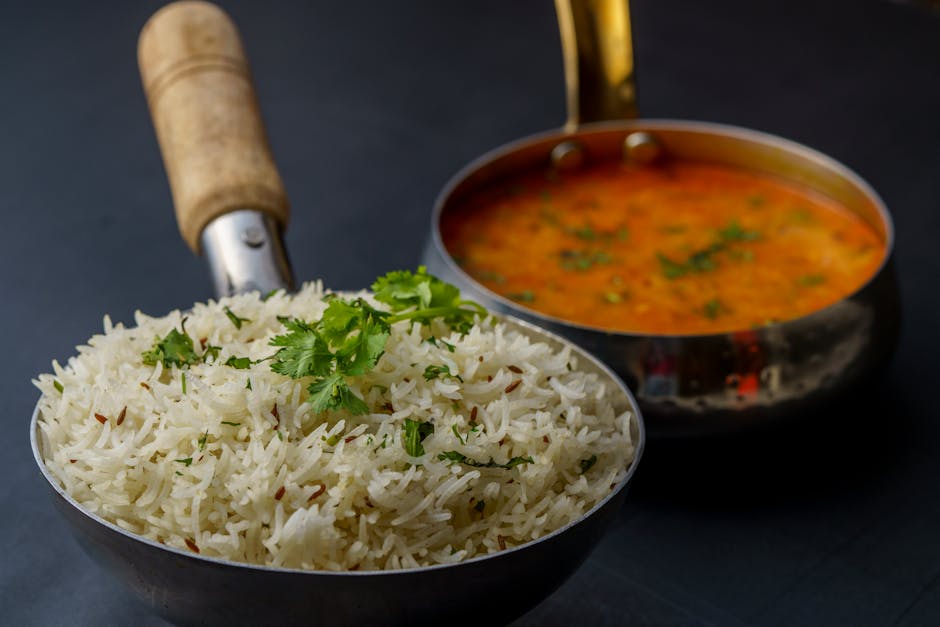
Here’s the factual case for Tamil kitchen staples as hair growth foods. These aren’t traditional claims — these are foods with documented nutritional profiles that map directly to what follicles need. The Tamil diet’s advantage is that many of these ingredients appear daily without requiring a special protocol.
| Food (Tamil Name) | Key Hair Nutrients | Amount Per Serving | Optimal Frequency |
|---|---|---|---|
| Curry Leaves (Kari Veppilai) | Beta-carotene, amino acids, iron | 15-20 fresh leaves | Daily via tempering |
| Fenugreek Seeds (Vendhayam) | Protein (23g/100g), lecithin, nicotinic acid | 1 tbsp soaked | 3-4x per week |
| Sesame Seeds (Ellu) | Iron (14.5mg/100g), calcium, zinc, omega-6 | 2 tbsp (18g) | 4-5x per week |
| Drumstick Leaves / Moringa (Murungai Keerai) | Iron (28mg/100g dried), vitamins A, C, E | 1 cup cooked | 3x per week |
| Indian Gooseberry (Nellikai / Amla) | Vitamin C (445mg/100g), tannins, antioxidants | 1-2 fresh fruits | Daily |
| Pigeon Peas / Toor Dal | Protein (22g/100g dry), folate, zinc | 1 cup cooked | Daily |
| Horse Gram (Kollu) | Protein (22g/100g), iron (6.77mg/100g), B vitamins | 1 cup cooked | 2-3x per week |
| Sardines / Mackerel (Mathi / Ayirai Meen) | Omega-3 (EPA+DHA), heme iron, protein, B12 | 100g cooked | 3x per week |
One pairing worth noting: amla’s vitamin C dramatically increases absorption of non-heme iron from plant sources. Iron absorption from plants can jump from under 5% to 10-15% when eaten alongside a good vitamin C source. A murungai keerai kootu finished with tomatoes, or a rasam containing amla, isn’t just traditional — the combination is nutritionally strategic. Eating these foods in isolation, without the vitamin C pairing, leaves a significant portion of their iron unabsorbed.
The Protein Gap That Quietly Causes Most Vegetarian Hair Loss
Most people eating a standard South Indian vegetarian diet are not hitting the protein levels needed for active hair growth. And most don’t realize it.
Standard dietary protein guidelines sit at 0.8g per kilogram of body weight. Researchers studying hair loss recommend 1.2-1.6g/kg for people experiencing thinning. For a 60kg woman, that’s 72-96g of protein daily. A typical dal-rice lunch delivers maybe 15-20g. Three such meals gets you to 45-60g — consistently below the threshold where follicles have surplus amino acids available for growth.
The gap is closeable without abandoning vegetarian eating. One cup of cooked toor dal gives 17-19g. A cup of curd adds 5-10g. Two tablespoons of sesame seeds contribute another 5g. Two eggs add 12g. The problem isn’t the food — it’s treating dal as a condiment in a rice-heavy plate rather than as the main protein source it needs to be.
The Underrated Legume: Horse Gram (Kollu)
Horse gram delivers around 22g of protein per 100g dry weight — comparable to toor dal — with iron at 6.77mg per 100g. It shows up in kollu rasam, kollu sundal, and kollu kuzhambu. If you’re vegetarian and actively working on hair growth, rotating this in 2-3 times per week is a straightforward upgrade that requires no supplements, no specialty purchases, and no changes to how you cook. It’s been sitting in Tamil kitchens the entire time.
Iron, Ferritin, and the Test Most People Never Think to Ask For
Low ferritin is the most underdiagnosed nutritional cause of hair loss in women. Here’s exactly why it slips through so consistently:
- Routine panels measure hemoglobin, not ferritin. Normal hemoglobin does not confirm adequate iron storage. These are separate measurements from separate biological pools.
- The clinical threshold for treatment is too low for hair follicles. Doctors often intervene only below 12ng/mL ferritin. Hair research finds measurable shedding at levels up to 30ng/mL — a gap that leaves many women untreated despite a real deficiency relative to follicle needs.
- Vegetarian diets rely entirely on non-heme iron. Plant iron has bioavailability of 2-20%, compared to up to 35% for heme iron from meat. Eating iron-rich plants is genuinely beneficial — but assuming full absorption is a calculation error.
- Phytates in legumes bind iron and reduce absorption. The same lentils providing iron also contain phytic acid. Soaking, sprouting, or fermenting reduces phytate content significantly. Idli and dosa batter — fermented overnight — has meaningfully lower phytate levels than unfermented grain-legume mixtures. This is one genuine nutritional advantage of fermented South Indian staples that often goes unacknowledged.
How to Maximize Iron From Tamil Foods
Drumstick leaves are exceptional here. Dried moringa contains roughly 28mg of iron per 100g versus spinach’s 2.7mg per 100g fresh. Sesame seeds add about 14.5mg per 100g. Neither absorbs at full value, but pairing either with tomatoes, lemon rasam, or fresh amla in the same meal substantially increases uptake. One habit that actively undermines this: drinking tea immediately after eating. Tannins in black tea inhibit non-heme iron absorption by up to 60% for about an hour after a meal. Shifting chai to mid-morning — not immediately post-lunch — is a small behavioral change with a real nutritional outcome.
What Coconut Can and Cannot Do for Your Follicles
Does eating coconut actually help hair grow?
Partially — and not for the reasons most Tamil households believe. Coconut’s lauric acid does penetrate the hair shaft and reduce protein loss, but that’s a structural benefit for existing strands, not new follicle activation. The direct evidence linking dietary coconut consumption to measurably increased hair growth is weak. Useful food. Not a growth trigger.
Which dietary fats actually drive follicle function?
Omega-3 fatty acids are the fats with the most direct research backing. A 2015 study in the Journal of Cosmetic Dermatology found that omega-3 supplementation significantly reduced hair loss and increased hair density over six months in women with thinning hair. Sardines and mackerel — staples in Tamil Nadu coastal cooking — are among the strongest dietary sources of EPA and DHA, the forms your body uses directly and immediately.
For vegetarians: flaxseeds provide ALA omega-3, but the body converts only 5-10% of ALA into EPA and DHA. That’s not zero. But two servings of fatty fish per week delivers roughly 2,000-3,000mg of directly usable omega-3. A tablespoon of flaxseeds delivers maybe 100-200mg of the converted forms. The gap is real and matters at the follicle level.
What about sesame oil in cooking?
Sesame oil contributes omega-6 fatty acids and antioxidants. Genuinely useful background nutrition. But omega-6 is not the deficient nutrient in most diets — omega-3 is. Sesame oil won’t close the gap that’s actually limiting follicle performance.
A Weekly Meal Plan Built Around the Numbers, Not Guesswork
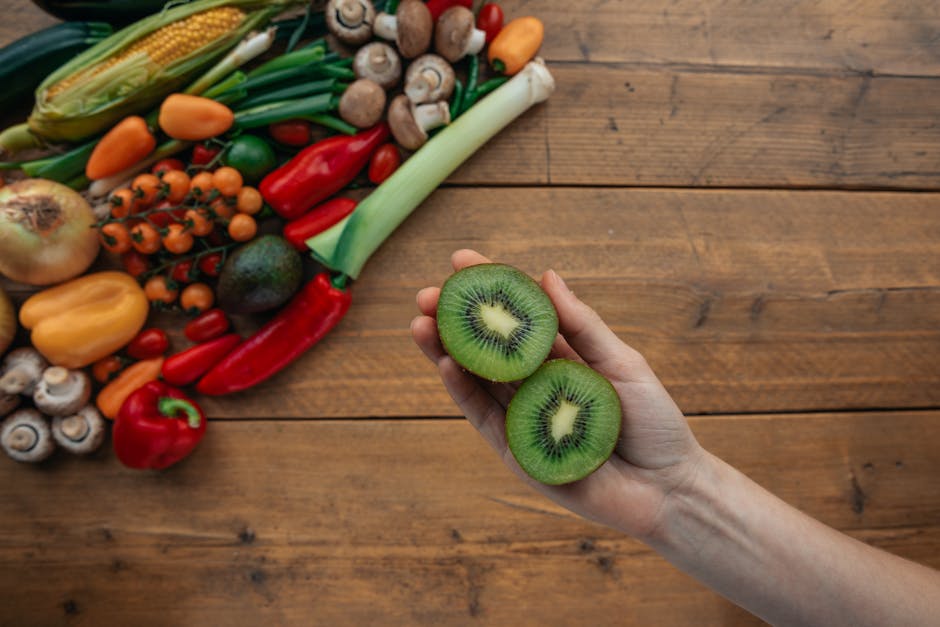
Understanding which foods help is the easy part. Structuring meals consistently enough to reach therapeutic nutrient levels is where most people fall short. This framework maps to standard Tamil meal patterns — no radical overhaul required:
| Meal | Hair-Focused Adjustment | Key Nutrients Delivered |
|---|---|---|
| Breakfast | 2 eggs + fresh amla or amla pickle / idli with sesame chutney | Protein, B12, vitamin C |
| Lunch | Murungai keerai kootu + tomato-based curry + full cup toor dal (not a small side) | Iron, vitamin C (boosts absorption), protein, zinc |
| Snack | 1 tbsp soaked fenugreek seeds OR sesame laddoo / til chikki | Protein, zinc, iron |
| Dinner (3x per week) | Sardine or mackerel curry | Omega-3 EPA+DHA, heme iron, protein |
| Dinner (remaining days) | Kollu rasam + dal-based main dish | Iron, plant protein, B vitamins |
| Daily add-on | Curry leaves in every tempering — don’t skip or pick out | Beta-carotene, amino acids, iron |
One rule that applies across the entire plan: avoid tea or coffee for at least 45-60 minutes after iron-rich meals. This single habit consistently undermines how much iron people actually absorb from otherwise solid diets — and it’s one of the easiest things to change.
When Food Isn’t Moving the Needle: Which Supplements Actually Have Evidence
Biotin is the most overhyped hair supplement on the market. Unless a blood test confirms an actual biotin deficiency — uncommon in anyone eating a varied diet — supplementing it will not accelerate hair growth. The clinical evidence for biotin improving hair in non-deficient individuals is minimal. Now Foods Biotin 5000mcg costs around $8-12 for 120 capsules and won’t hurt you, but it also won’t deliver the dramatic results that supplement marketing suggests. The brands pushing high-dose biotin are selling expensive reassurance.
Iron supplementation is an entirely different category. If ferritin testing shows levels below 30ng/mL and shedding is active, correcting that deficiency has solid clinical backing with documented hair regrowth outcomes. Garden of Life Raw Iron ($22-28 for 30 servings) is a plant-based option with good tolerability. Himalaya Herbals Iron Plus ($5-10 at most Indian pharmacies) is widely accessible and a reasonable starting point. Both need to be taken with vitamin C and separated from tea, coffee, or calcium-heavy meals to absorb properly.
For vegetarians who can’t close the omega-3 gap through diet, Nordic Naturals Algae Omega ($30-40 for 60 softgels) delivers EPA and DHA directly from algae — the original source before fish consume it. This sidesteps the ALA conversion problem entirely and gives vegetarian follicles the same fatty acids that regular fish eaters get from their diet. It’s one supplement where the price-to-evidence ratio is reasonable.
Combined Indian hair supplements like Keshika bundle iron, biotin, amla extract, and zinc into a single product. The individual nutrient doses are typically below therapeutic ranges — useful as general nutritional insurance, not as a targeted fix for a specific confirmed deficiency. Don’t rely on them as a substitute for testing.
The honest baseline: get ferritin tested. If it’s normal, audit protein intake before spending anything on supplements. The next time you notice more hair than usual in the drain, you’ll have a specific place to look first — not the shampoo bottle, but your ferritin level and your weekly protein count. Both are fixable with the foods the Tamil kitchen has always carried.