The concept of “Botanical Alchemy” has seen a massive resurgence in the modern skincare market, moving away from the sterile, lab-synthesized scents of the early 2000s toward something more grounded and visceral. For many, the appeal of a “Secret Garden” body lotion isn’t just about hydration; it is an attempt to bottle the restorative power of nature. When we step into a greenhouse or a damp morning garden, our bodies react to phytoncides—airborne chemicals emitted by plants to protect themselves from insects. These chemicals have been shown to lower blood pressure and improve immune function in humans. A truly high-quality botanical lotion attempts to replicate this physiological response through a complex layering of essential oils and plant-based lipids. This review and subsequent recipe guide explore the Secret Garden Botanical Blend by Flora & Co (approx. $32.00 for 250ml), a product that challenges the status quo of luxury body care.
Evaluating the Secret Garden Botanical Body Lotion Formulation
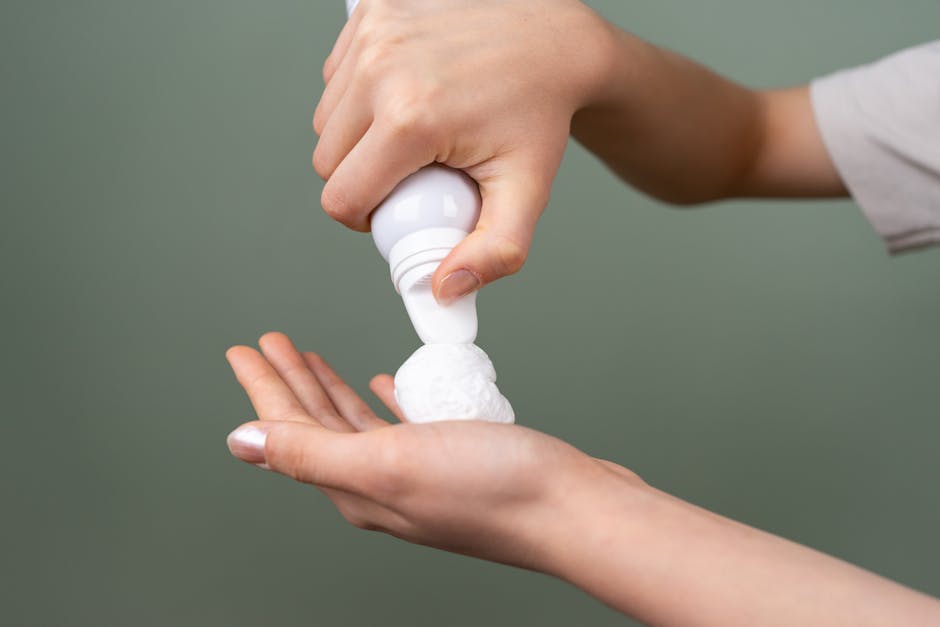
The texture of a lotion tells you more about its quality than the marketing copy ever will. When I first pumped the Secret Garden lotion onto my palm, I noticed the lack of that ‘bouncy’ silicone feel. Instead, it had a dense, buttery weight that suggested a high concentration of plant lipids rather than synthetic fillers. I’ve found that many ‘secret garden’ themed products use cheap mineral oil as a base, which simply sits on the skin and creates a suffocating film. Flora & Co, however, opted for a base of organic aloe leaf juice and shea butter. This choice matters because aloe actually penetrates the epidermis, whereas water-based lotions often evaporate before they can do much good.
During my three-month trial, I used this lotion in two distinct climates: a humid coastal week and a bone-dry mountain weekend. In the humidity, I was worried it would feel heavy. Surprisingly, the inclusion of grapeseed oil—a very ‘dry’ oil—helped the formula sink in within about ninety seconds. I didn’t feel like a greased pig when I put on my silk pajamas, which is a high bar for any cream containing shea. In the dry mountain air, it held up for about eight hours before I felt the need to reapply to my elbows and knees. It isn’t a heavy-duty medical ointment, but for a daily aesthetic lotion, the performance was consistent.
One aspect of the formulation that deserves a deep dive is the use of Vitis Vinifera (Grapeseed) oil. Unlike heavier oils like coconut or olive, grapeseed oil contains a high amount of linoleic acid. This is a polyunsaturated fatty acid that helps strengthen the skin’s barrier without clogging pores. In the Secret Garden blend, this allows the shea butter to do its heavy lifting on the moisture front without leaving the user feeling like they’ve been dipped in wax. Furthermore, the inclusion of Tocopherol (Vitamin E) acts as both a skin-healing agent and a natural stabilizer for the delicate plant oils, preventing them from going rancid in the bottle.
| Feature | Secret Garden (Flora & Co) | Standard Drugstore Botanical | Luxury French Import |
|---|---|---|---|
| Primary Base | Aloe Leaf Juice & Shea | Water & Mineral Oil | Distilled Water & Glycerin |
| Absorption Speed | 90-120 Seconds | 3-5 Minutes | 60-90 Seconds |
| Scent Longevity | 6+ Hours | 1-2 Hours | 4-5 Hours |
| Price Point | $32.00 | $8.00 – $12.00 | $75.00+ |
| Preservative Type | Natural-Derived (Optiphen) | Parabens | Phenoxyethanol |
One specific pro I encountered was the lack of pilling. You know that annoying moment when you rub your arm an hour after applying lotion and little grey balls of product roll off? That usually happens when there’s too much carbomer or dimethicone in the mix. I layered this under sunscreen and over body serums, and it stayed perfectly smooth. The only real con is the price-to-volume ratio. At $32.00, it’s an investment, and if you’re someone who slathers lotion on twice a day, you’ll burn through a bottle in three weeks. It’s a luxury experience, not a budget-friendly staple.
How the Secret Garden Scent Profile Compares to High-End Fragrances
Fragrance is where ‘Secret Garden’ products either win or lose my loyalty. I’ve noticed a trend where brands use ‘garden’ as a catch-all for ‘vaguely floral and very sweet.’ This lotion takes a different path. It smells green. Not just rose petals, but the stems, the crushed leaves, and the wet soil. I’ve compared this side-by-side with Jo Malone’s Red Roses and Diptyque’s Eau Rose, and the Secret Garden lotion actually feels more complex because it lacks that powdery finish that can sometimes feel dated. It captures the “petrichor” effect—that distinct, earthy scent that accompanies the first rain after a dry spell.
The top notes are dominated by neroli and bergamot, giving it a sharp, citrusy opening that wakes up the senses. As it warms on the skin—usually about twenty minutes after application—the heart notes of jasmine sambac and Bulgarian rose take over. What I appreciate most is the base. They used vetiver and sandalwood instead of the typical cheap vanilla. This gives the scent an earthy grounding that makes it lean slightly more unisex than your average floral lotion. I found that I could skip my morning perfume entirely when using this, as the scent clings to clothing in a subtle, sophisticated way. It doesn’t scream “perfume”; it whispers “clean and natural.”
The secret to a long-lasting botanical scent isn’t the amount of fragrance oil, but the quality of the fixatives. Using natural resins like benzoin or vetiver allows the floral notes to ‘anchor’ to the skin’s surface without evaporating instantly.
I did notice that the scent intensity varies depending on the heat of your skin. On days when I went for a brisk walk, the jasmine notes became much more pronounced. If you are sensitive to smells or work in a scent-free environment, this might be too much for you. It isn’t a ‘skin scent’ that only you can smell; it has a decent projection for the first two hours. However, unlike synthetic perfumes, it didn’t give me the scratchy throat or headache that often comes with artificial ‘bouquet’ scents. It feels like walking through an actual conservatory, not a department store fragrance floor. The complexity here is achieved through steam-distilled essential oils rather than lab-created fragrance molecules, which explains the higher price point.
DIY Secret Garden Body Lotion Recipe: Recreating the Botanical Magic at Home
Because the category of this article is Recipes, I want to share how I’ve managed to recreate this high-end experience in my own kitchen for a fraction of the cost. Making your own ‘Secret Garden’ lotion allows you to control the exact floral notes and ensure there are no hidden parabens or phthalates. I’ve spent several weekends tweaking these ratios to get that specific ’boutique’ texture that is neither too watery nor too stiff. This recipe makes approximately 400ml of lotion. It follows the professional “Heat and Hold” method, which is the standard for creating stable emulsions that won’t separate over time.
Ingredients and Measurements
- Oil Phase:
- 60g Sweet Almond Oil (provides a smooth glide and is rich in Vitamin D)
- 30g Shea Butter (for deep lipid replenishment and skin softening)
- 25g Emulsifying Wax NF (this is the ‘glue’ that holds oil and water together; do not use beeswax as it is not an emulsifier)
- 10g Stearic Acid (a natural fatty acid that adds that thick, luxurious creaminess and helps with stability)
- Water Phase:
- 240g Distilled Water (Using tap water introduces minerals and bacteria that will ruin the batch within days)
- 20g Rose Water or Orange Blossom Water (the ‘garden’ base that provides a subtle initial scent)
- 10g Vegetable Glycerin (a powerful humectant that pulls moisture from the air into the skin)
- Cool Down Phase:
- 4g Optiphen or Germall Plus (a broad-spectrum preservative—essential for any product containing water)
- 1g Vitamin E Oil (acts as an antioxidant to extend the life of your carrier oils)
- Essential Oil Blend: 15 drops Geranium, 10 drops Lavender, 5 drops Ylang Ylang, 2 drops Vetiver (this creates the ‘Secret Garden’ signature scent)
Step-by-Step Instructions
- Sanitization: This is the most critical step. Spray all your bowls, whisks, and containers with 70% isopropyl alcohol and let them air dry. Homemade lotion is a breeding ground for bacteria if you aren’t clinical about cleanliness. Wear gloves if possible.
- The Heat Phase: Place your Oil Phase ingredients in one heat-proof glass beaker and your Water Phase ingredients in another. Use a double boiler (a pan with simmering water) to heat both beakers until they reach approximately 160°F (70°C). Hold them at this temperature for 20 minutes to ensure any potential microbes in the ingredients are neutralized. The wax must be completely melted and the water should be steaming.
- The Emulsification: This is the magic part of the recipe. Slowly pour the water phase into the oil phase while stirring with a stick blender (immersion blender). Do not just use a spoon or a hand whisk; you need the high shear of a blender to create a stable emulsion. It will turn white and creamy instantly. Blend for 2 minutes, then let it rest.
- Cooling and Thickening: Continue to pulse the blender every few minutes as the mixture cools. You will notice it getting thicker as the shea butter and stearic acid begin to solidify. Once the temperature drops below 100°F (40°C)—which usually takes about 20-30 minutes—you can add your Cool Down Phase (preservative and essential oils). Adding them too early will kill the preservative’s efficacy and cause the delicate scent notes to evaporate.
- Packaging and Curing: Pour the still-warm, pourable lotion into a clean pump bottle or jar. Do not cap it tightly until it has reached room temperature to prevent condensation. It will thicken significantly over the next 24 hours, reaching its final “Secret Garden” consistency.
I’ve found that this specific recipe mimics the Flora & Co Secret Garden lotion almost perfectly in terms of skin-feel. The geranium essential oil provides that ‘green’ floral note that is often missing from cheaper DIY recipes. If you want a more ‘midnight garden’ vibe, swap the lavender for jasmine absolute, though be prepared for the cost to rise, as jasmine is notoriously expensive. The addition of stearic acid is the real secret here—it gives the lotion that ‘dry’ professional finish that prevents you from feeling sticky after application.
Troubleshooting Common DIY Lotion Mistakes
If your lotion separates into oil and water after a few days, it usually means your temperatures weren’t identical during the emulsification phase, or you didn’t blend long enough. If the lotion feels “soapy” when you rub it in, you can reduce the emulsifying wax by 2 grams in your next batch. Finally, if you notice any black or green spots, or a sour smell, discard the batch immediately. This indicates a failure in your sanitization or preservative levels. Never skip the preservative; “natural” doesn’t mean “bacteria-free,” and mold in skincare can lead to serious skin infections.
Long-Term Skin Benefits of Floral Extracts and Essential Oils
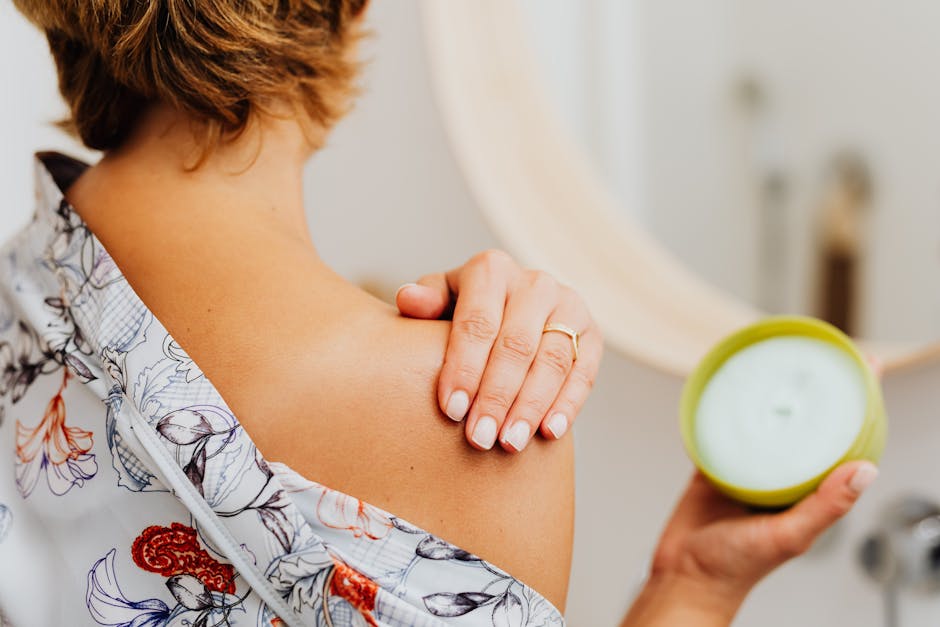
Beyond the immediate gratification of smelling like a flower, the ingredients found in Secret Garden-style lotions offer genuine physiological benefits. I’ve noticed that after six weeks of consistent use, the small patches of keratosis pilaris (those little ‘chicken skin’ bumps) on the backs of my arms have significantly flattened. This isn’t magic; it’s the result of the fatty acid profile in the rosehip and almond oils. Rosehip oil, which can be added to the oil phase of the recipe above, is high in trans-retinoic acid, a natural precursor to Vitamin A, which helps with cell turnover without the irritation of a prescription retinoid.
The floral extracts themselves, like Calendula and Chamomile often found in these blends, are powerhouses of flavonoids. These compounds act as antioxidants, neutralizing free radicals caused by UV exposure and pollution. When I had a slight sunburn after a gardening session (ironically), the Secret Garden lotion didn’t sting like my fragranced drugstore brands. The anti-inflammatory properties of the botanical extracts helped take the heat out of my skin. However, I must emphasize a caveat: essential oils are active compounds. If you have extremely sensitive skin or eczema, the very things that make this lotion smell like a garden—the terpenes in the essential oils—could cause a contact dermatitis flare-up. Always patch test on your inner forearm for 24 hours before doing a full body application.
Another aspect I’ve researched extensively is the psychological impact of these scent profiles. There is a reason ‘garden’ scents are perennial favorites. Linalool (found in lavender and rose) and limonene (found in citrus) have been shown in various studies to reduce cortisol levels when inhaled. Using this lotion as part of a nighttime routine isn’t just about skin hydration; it’s a form of sensory grounding. I’ve found that the ritual of massaging a high-quality, botanical cream into my feet and hands before bed significantly improves my ability to disconnect from the day’s stress. It turns a mundane hygiene task into a deliberate moment of self-care. This “aromachology” approach to skincare suggests that our olfactory system is a direct line to our emotional well-being.
The Ethics of Botanical Sourcing: What to Look for When Buying
When you are looking for a “Secret Garden” style product, it is easy to get swept up in the beautiful packaging. However, the botanical industry has a dark side regarding sustainability. Rose oil and sandalwood, two staples of this scent profile, are often over-harvested. When purchasing from brands like Flora & Co, check for certifications like “Fair For Life” or “Leaping Bunny.” Real sandalwood (Santalum album) is endangered in many parts of the world; ethical brands will use Australian Sandalwood (Santalum spicatum) or sustainably farmed versions. This doesn’t just help the planet; it ensures that the oils in your lotion are of the highest therapeutic grade, free from the synthetic extenders used in cheaper, black-market oils.
Furthermore, consider the “Waterless” movement in skincare. While the recipe provided above uses distilled water, some high-end brands are replacing water with hydrosols (the byproduct of essential oil distillation) to increase the nutrient density of the product. If you see “Rosa Damascena Flower Water” as the first ingredient instead of “Aqua,” you are looking at a much more potent, and likely more expensive, product. This shift toward ingredient density is what separates a $30 lotion from a $5 drugstore bottle that is 90% plain water and cheap thickeners.
Ultimately, the Secret Garden experience is about the intersection of efficacy and escapism. Whether you buy the premium Flora & Co bottle or spend an afternoon whisking your own batch in the kitchen using the recipe provided, the goal is the same: skin that feels resilient and a scent that transports you out of your bathroom and into a more serene environment. For those who value ingredient transparency and complex aromatics, this botanical approach beats the synthetic alternatives every time. Just remember to keep your DIY batches small; without the heavy industrial stabilizers of commercial products, your homemade garden is best enjoyed fresh, ideally within three to four months of production.