You know that feeling. You’re talking to someone, and mid-sentence, your tongue instinctively tries to peel off a flake of skin from your lip. Or worse, you see someone else staring at your chapped, cracked mess. I’ve been there, more times than I care to admit. For years, I just dealt with it, thinking it was a ‘winter thing’ or something only women worried about. But here’s a surprising fact: men are actually more prone to severe sun damage on their lips due to lower rates of consistent SPF lip product use. I paid the price for a long time, but I finally figured out a lip care routine for men that actually works.
The Harsh Reality of Neglecting Your Lips
I used to think my lips were just naturally dry. That was a convenient lie I told myself. The truth is, I was actively sabotaging them. Our lips are incredibly vulnerable. Unlike the rest of your skin, they don’t have oil glands, which means they can’t produce their own moisture. They’re also covered by a much thinner layer of skin. This makes them super susceptible to environmental stressors. Think about it: every time you step outside, your lips are exposed to UV radiation, wind, and dry air. If you live in a cold climate, the constant shift from frigid outdoor air to dry indoor heat is a killer. Living in a humid climate? Humidity can actually draw moisture out of your lips as it evaporates. It’s a lose-lose situation without proper care. I’ve seen guys with chronically cracked lips develop dark spots from sun exposure. It’s not just about comfort; it’s about long-term lip health and even preventing more serious issues down the road.
Why Men’s Lips Take a Beating
We’re often outdoors more, whether it’s for sports, work, or just daily commutes. We shave, which can sometimes irritate the skin around the mouth. And let’s be honest, for a long time, the idea of a ‘lip care routine’ wasn’t exactly pushed on us. We’d grab whatever cheap stick was available, usually something waxy that felt good for ten minutes then disappeared. I remember hiking in Colorado, thinking my lips were fine because I had a hat on. Wrong. The altitude and sun utterly destroyed them. By the end of the trip, my lips were bleeding. That was a wake-up call. Understanding the unique challenges men’s lips face is the first step. It’s not just about hydration; it’s about a protective barrier against a constant barrage of damage.
Beyond Chapping: Long-Term Consequences
Beyond the immediate discomfort of chapping, there are real long-term issues. Constant peeling can lead to hyperpigmentation, leaving your lips looking uneven and discolored. Chronic dryness can make your lips appear older, with fine lines and a lack of plumpness. And as I mentioned, sun damage on the lips is a serious concern. The lower lip especially gets a lot of direct sun. I’ve seen some bad cases over the years, and it’s not pretty. What starts as a minor irritation can become a persistent problem if you don’t address the root causes. Trust me, ignoring your lips is a choice you’ll regret down the line. A few seconds of care daily can prevent years of discomfort and aesthetic issues.
Common Mistakes I Made (And You Might Be Too)

Before I got my act together, my lip care was, to put it mildly, pathetic. I made all the classic mistakes, and I see guys still doing them every day. It’s not about being lazy; it’s often about not knowing better or falling for common myths. Don’t waste years like I did, cycling through ineffective habits and products.
- Licking Your Lips: This is probably the biggest offender. When your lips feel dry, the natural instinct is to lick them. It feels good for a second, right? Wrong. Saliva contains digestive enzymes that are meant to break down food. They don’t belong on your lips. When saliva evaporates, it takes even more moisture with it, leaving your lips drier than before. I was a chronic lip-licker, and it just created a vicious cycle of dryness and irritation. Stop it. Now.
- Using Waxy, Scented Balms: For years, I thought any lip balm was better than no lip balm. So I’d pick up whatever was cheap and smelled decent. Most of these contain petroleum jelly or waxes, which create a barrier, sure, but often don’t provide deep hydration. Worse, many have irritating fragrances or flavorings that can actually dry out your lips more over time. I used a popular cherry-flavored one for months, wondering why my lips never truly healed. It was because the balm itself was part of the problem.
- Ignoring SPF: This was a huge one for me. I’d slap sunscreen on my face, but my lips? Never crossed my mind. As I mentioned, lips are highly susceptible to sun damage. They can burn, just like your skin. Not using an SPF lip product is like walking into the desert without water. It’s asking for trouble, and I learned that the hard way with painful burns and persistent dryness.
- Over-Exfoliating: In an attempt to get rid of flakes, I once tried to scrub my lips with a toothbrush every day. Big mistake. Your lip skin is delicate. Over-exfoliating can strip away its natural barrier, leading to more irritation, redness, and even tiny cuts. A gentle scrub once a week, maybe twice if things are really bad, is all you need. More is definitely not better here.
The Licking Habit: A Vicious Cycle
I know, it’s hard to break. The dryness hits, and your tongue is there before you even think about it. But remember, every lick is a step backward. It’s like trying to put out a fire with gasoline. The enzymes in your saliva break down the protective barrier, and the evaporation pulls away essential moisture. It’s not just a bad habit; it’s actively damaging. I had to consciously tell myself to stop every single time. Eventually, with consistent use of a proper lip balm, the urge subsided because my lips weren’t constantly dry anymore.
Waxy Balms That Just Sat There
The cheap stuff from the drugstore is fine for a quick fix, but it’s not going to solve chronic dryness. Most of those waxy balms just sit on the surface. They don’t penetrate to deliver actual hydration or healing ingredients. It’s like putting a band-aid on a gaping wound – it covers it, but doesn’t actually help it heal. I used to buy multi-packs of these, thinking I was prepared. All I was doing was creating a temporary, superficial film that wore off quickly, leaving me reaching for it again and again. You need ingredients that actively repair and moisturize, not just coat.
The True Cost of Cheap Lip Balms: Why Ingredients Matter
Look, if you’re still grabbing the cheapest tube off the convenience store shelf, you’re wasting your money. My strong opinion? Invest in quality. A $3 balm that does nothing is more expensive than a $10 balm that actually works. Most of those budget balms rely on heavy waxes and mineral oil. While these form an occlusive barrier, they often lack the humectants and emollients needed to truly hydrate and repair. It’s like trying to build a house with only a roof; you need a foundation and walls first.
What to Look For: The Good Stuff
When I finally started reading ingredient lists, my whole perspective changed. You want ingredients that draw moisture in and then seal it there. Look for humectants like hyaluronic acid and glycerin. These pull water from the air or from deeper skin layers. Then you need emollients and occlusives to lock that moisture in. Shea butter, cocoa butter, lanolin, ceramides, and natural oils (jojoba, sunflower, coconut) are your friends. Lanolin, in particular, is a powerhouse – it closely mimics the lipids in our own skin, making it incredibly effective for healing severely chapped lips. I found that products with a good blend of these ingredients made a noticeable difference within days.
What to Avoid: The Irritants
Just as important as what to look for is what to avoid. Steer clear of camphor, menthol, and phenol. These might give a tingling sensation that feels like it’s working, but they’re actually irritants that can dry your lips out further. Fragrances and artificial flavorings are also common culprits for irritation and allergic reactions, especially for sensitive skin. I learned this the hard way with a supposedly “soothing” balm that left my lips even redder and more inflamed. Also, be wary of salicylic acid if you have sensitive lips, as it’s an exfoliant and can be too harsh for daily use.
Daily Essentials: My Tried-and-True Lip Care Steps
My lip care routine isn’t complicated. It’s consistent, effective, and takes about 60 seconds total. This isn’t about adding another ten steps to your morning; it’s about smart choices that yield real results. Once I committed to these steps, the difference was night and day. No more embarrassing flakes, no more painful cracks. Just smooth, comfortable lips.
Morning Protocol: Protection is Key
The first thing I do after brushing my teeth is apply a good SPF lip balm. This is non-negotiable. Even if I’m just staying indoors, windows let in UV rays. My current go-to is the Jack Black Intense Therapy Lip Balm SPF 25 (around $9-10). It’s got a great texture, no weird taste, and provides broad-spectrum protection. I’ve tried others, but this one consistently performs. The mint version gives a slight, pleasant tingle without being irritating. If I’m going to be outside for extended periods, I’ll double down with something like the Sun Bum SPF 30 Lip Balm (around $4-5), which is more robust and water-resistant. Reapplying throughout the day, especially after eating or drinking, is crucial. Keep a stick in your car, at your desk, and in your jacket pocket. Seriously, you can’t overdo it with SPF on your lips.
Evening Ritual: Repair and Renew
Before bed, it’s all about repair. This is when your skin does most of its healing, and your lips are no exception. I always apply a thick, nourishing lip treatment. My absolute favorite for years has been the Laneige Lip Sleeping Mask (around $24 for 20g). Yes, it’s marketed to women, but who cares? This stuff is magic. It’s packed with antioxidants and hyaluronic acid, and I wake up with noticeably softer, plumper lips. A small tub lasts forever. If that feels too pricey, Aquaphor Lip Repair Ointment (around $5-6) is a fantastic, no-frills alternative. It’s simple, effective, and creates a powerful occlusive barrier to prevent moisture loss overnight. Some nights, if my lips are feeling extra dry, I’ll even layer a thin coat of pure lanolin (like Lanolips, around $12) under the sleeping mask for an extra boost. Consistency here is key; skipping nights means starting from square one.
Lip Balm Face-Off: My Picks for Every Need
I’ve used countless lip balms over the years. Some were great, some were a waste of money. Here’s how I break down the best options for different scenarios. Don’t fall for marketing hype; focus on what works.
| Product Name & Brand | Best For | Key Ingredients | Approx. Price | My Take |
|---|---|---|---|---|
| Jack Black Intense Therapy Lip Balm SPF 25 | Daily SPF protection, general use | Shea Butter, Avocado Oil, Green Tea Extract, SPF 25 | $9-10 (0.25 oz) | My daily driver. Non-sticky, great texture, essential SPF. Don’t leave home without it. |
| Kiehl’s Lip Balm #1 | Overnight repair, deep hydration | Squalane, Lanolin, Wheat Germ Oil, Vitamin E | $12-13 (0.5 oz) | A classic for a reason. Super rich, but can be a bit thick for daytime. Excellent for healing. |
| Laneige Lip Sleeping Mask | Intensive overnight treatment | Hyaluronic Acid, Vitamin C, Berry Mix Complex | $24-28 (20g) | Pricey, but worth it. Transforms cracked lips overnight. A little goes a long way. |
| Aquaphor Lip Repair Ointment | Severely chapped lips, budget-friendly repair | Petrolatum, Lanolin, Glycerin, Chamomile Extract | $5-6 (0.35 oz) | The ultimate no-nonsense healer. If your lips are a disaster, reach for this. Effective and cheap. |
| COSRX Balancium Comfort Ceramide Lip Butter | Sensitive, dry lips; ceramide boost | Ceramides, Shea Butter, Coconut Oil | $14-16 (9g) | Korean beauty gem. Lightweight but deeply nourishing. Great for strengthening the lip barrier. |
Daily Balms: My Top Picks
For everyday use, you need something that feels good, isn’t greasy, and provides consistent protection. The Jack Black Intense Therapy Lip Balm SPF 25 remains my top recommendation. It’s smooth, it stays put, and the SPF is non-negotiable. If you’re looking for something with a more natural feel and no SPF, Burt’s Bees Beeswax Lip Balm (around $4) is a decent, affordable option, but it won’t give you the sun protection. I keep tubes of Jack Black everywhere because it simply gets the job done without any fuss.
Overnight Treatments: The Real s
This is where you make serious progress. While a daily balm protects, an overnight treatment repairs. The Laneige Lip Sleeping Mask is my holy grail here. It’s a slightly thicker consistency than a balm, almost like a jelly, and it melts into your lips. I’ve woken up after a night of using it feeling like my lips had a full reset. For an even more intense repair job, especially during brutal winters, a thin layer of Aquaphor Lip Repair Ointment before bed can work wonders. It’s incredibly occlusive, sealing in moisture like nobody’s business.
When to Use a Lip Scrub
I don’t use a lip scrub daily, or even every other day. That’s a recipe for irritation. My rule of thumb is once a week, maybe twice if my lips are really flaky. You’re not trying to sandblast your lips; you’re gently buffing away dead skin. I usually opt for a gentle sugar scrub, like the e.l.f. Lip Exfoliator (around $4), which comes in a convenient stick form. Just a quick pass, then wipe it off and immediately follow up with a rich balm or overnight treatment. If you don’t have a dedicated scrub, a tiny bit of brown sugar mixed with honey works in a pinch. The key is gentle, gentle, gentle. Never scrub hard, and never scrub on broken or bleeding lips.
Overnight Repair: Don’t Skip This Step
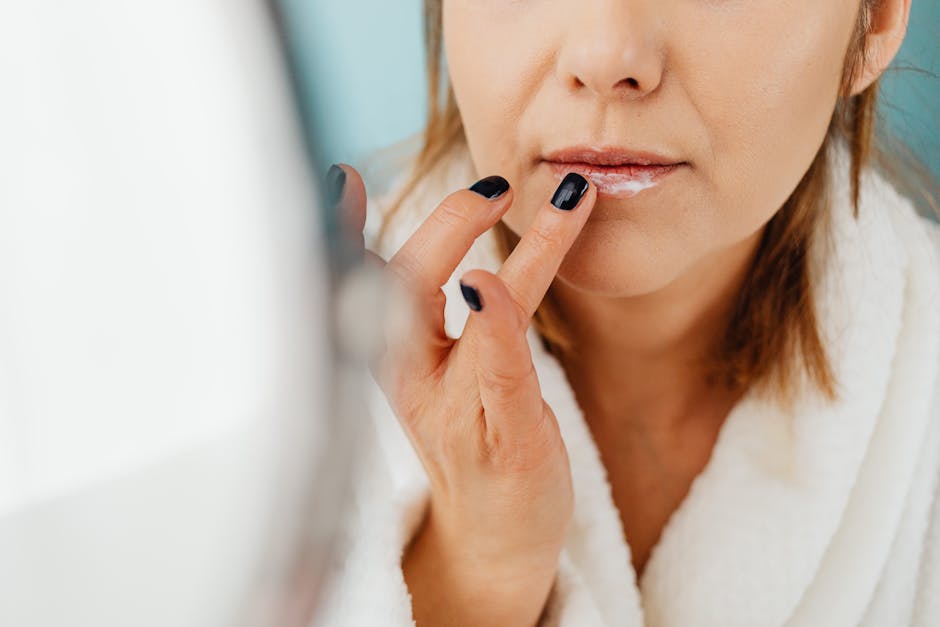
Seriously, if you only do one thing, make it this: apply a dedicated lip treatment before bed. Your lips heal best when you’re not eating, drinking, or talking. This is the prime time for deep repair. I consider it the single most effective part of my entire lip care routine.
Advanced Troubleshooting: Beyond the Basics
Even with a solid routine, sometimes specific issues pop up. I’ve dealt with them all, and I’ve learned how to tackle them head-on. Don’t let these common problems derail your progress.
“Why are my lips always peeling?”
Constant peeling is usually a sign of chronic dehydration and a compromised lip barrier. You’re probably either licking your lips too much, using an irritating product, or not protecting them from the elements enough. First, cut out any balms with menthol or camphor. Second, hydrate from the inside out – drink more water. Third, make sure you’re consistently using an SPF balm during the day and a heavy-duty reparative treatment at night. For severe peeling, consider a thin layer of pure lanolin, like the Lanolips 101 Ointment (around $17 for 15g), under your regular night treatment. It’s incredibly healing and helps rebuild that barrier faster than anything else I’ve tried. I’ve used it to fix my lips after brutal winter winds or forgetting my SPF on a sunny day.
“Can I prevent cold sores with lip care?”
While proper lip care can’t *prevent* the Herpes Simplex Virus itself, it can absolutely help reduce outbreaks and their severity. Cold sores often trigger when your lips are stressed – think sun exposure, extreme dryness, or chapping. A strong lip care routine, especially consistent SPF use, minimizes these triggers. I make sure my SPF balm is always on hand, and if I feel even the slightest tingle, I immediately apply a specific antiviral cream (like Abreva, around $18-20) and double down on a soothing, non-irritating balm like Aquaphor Lip Repair. Keeping your lips healthy and protected reduces the likelihood of them being a welcoming environment for a flare-up. It’s about damage control and prevention of triggers.
“What if my lips are severely chapped?”
When your lips are truly in bad shape – cracked, bleeding, painful – you need to go into emergency mode. Stop all exfoliation. Stick to the absolute basics: frequent applications of a thick, bland, healing ointment. My top recommendation here is Aquaphor Lip Repair Ointment. Apply it generously every hour if needed. For overnight, a very thick layer of Aquaphor or Kiehl’s Lip Balm #1 will work wonders. Avoid anything with fragrance, flavor, or tingle. Your goal is to create an ideal environment for healing, which means protecting the raw skin and preventing further moisture loss. It usually takes a few days of this intensive regimen to get back to a manageable state, then you can resume your regular routine.
My Personal Routine: What I Do Every Day
This is what works for me, consistently, year after year. It’s not fancy, but it gets results. I learned that consistency beats complexity every time.
Morning Protocol: Protection is Key
- After brushing my teeth: I apply a generous layer of Jack Black Intense Therapy Lip Balm SPF 25. I prefer the mint or grapefruit flavor. This is my baseline protection for the day.
- Before leaving the house: If I’m going to be outside for more than 30 minutes, I’ll sometimes reapply the Jack Black or use a more robust SPF like Sun Bum SPF 30 Lip Balm, especially if it’s sunny or windy.
- Throughout the day: I keep a Jack Black balm in my desk drawer and one in my jacket pocket. I reapply after coffee, after lunch, and anytime my lips feel even slightly dry. This usually means 3-4 reapplications between morning and evening.
Evening Ritual: Repair and Renew
- After dinner/before bed: I give my teeth a good brush, and then it’s lip treatment time. I don’t scrub daily.
- If lips are feeling good: A generous swipe of Laneige Lip Sleeping Mask. It’s lightweight enough that I don’t feel it, but I wake up with perfectly hydrated lips.
- If lips are feeling dry or stressed: I’ll reach for a thicker layer of Aquaphor Lip Repair Ointment. Sometimes, if they’re particularly rough, I’ll apply a thin coat of pure lanolin first, let it sink in for a minute, then layer the Aquaphor over it. This combo is unbeatable for overnight healing.
That’s it. No complicated steps, no expensive gadgets. Just consistent application of effective products. I used to hate my chapped, peeling lips, always feeling self-conscious. Now? I don’t even think about them. They’re just… comfortable. And that’s a feeling I wouldn’t trade for anything.