
You bought a retinol serum. Used it three nights in a row. Now your face is red, peeling, and stinging every time you moisturize. This is the most common mistake beginners make. And it’s completely avoidable.
Retinol is the gold standard for anti-aging, acne, and texture. But it’s also the ingredient most likely to wreck your skin if you rush it. This guide cuts through the noise. Here’s exactly how to start retinol in 2026 — without the burn.
Why Retinol Works (And Why It Irritates)
Retinol is a form of vitamin A. It tells your skin cells to speed up turnover. Old, dull cells shed faster. New collagen forms. Pores look smaller. Fine lines soften.
Here’s the catch: that acceleration comes with a cost. Your skin has to adjust. During the first few weeks, the barrier weakens. Water escapes. Inflammation creeps in. That’s the “retinol uglies” — redness, flaking, breakouts.
It’s not a reaction. It’s adaptation. Your skin is literally rebuilding itself. The irritation is a sign you’re going too fast, not that you should quit.
Three things determine how bad the adjustment is:
- Strength — higher percentages hit harder
- Frequency — daily use from day one is a disaster
- Support — no moisturizer or barrier repair = peeling city
Most beginners skip the “support” part. They slap retinol on clean skin and hope for the best. That’s the mistake.
3 Rules to Start Retinol Without Peeling
These aren’t optional. If you follow them, your skin adjusts in 2-3 weeks instead of 2-3 months.
Rule 1: Start Low, Go Slow
The Ordinary Retinol 0.2% in Squalane ($8.50) is the perfect entry point. It’s gentle, oil-based, and hard to overdo. Or try CeraVe Resurfacing Retinol Serum ($18) — it uses encapsulated retinol that releases slowly, which reduces irritation for sensitive skin.
Apply it once a week for the first two weeks. Then twice a week for two weeks. Then every other night. Do not jump to daily until week 6 at the earliest.
Rule 2: Sandwich Method Always
Moisturizer → Retinol → Moisturizer. That’s the sandwich. It buffers the retinol so it absorbs slower. Less sting. Same results.
Use a basic moisturizer with ceramides or niacinamide. La Roche-Posay Cicaplast Baume B5 ($16) is a favorite because it contains panthenol and shea butter to calm the barrier. Apply a pea-sized amount of retinol between two layers of moisturizer. Wait 20 minutes between each layer.
Rule 3: Drop All Actives for 4 Weeks
No vitamin C. No AHAs or BHAs. No benzoyl peroxide. No strong cleansers. Your skin can only handle one active at a time during the adjustment phase. Mix them too early and you get chemical burns. I’ve seen it happen. It’s not pretty.
Stick to a gentle cleanser (like Vanicream Gentle Facial Cleanser, $9) and a rich moisturizer. That’s it for the first month.
What Retinol Strength Should a Beginner Pick?
Here’s the short version: 0.2% to 0.3% is the sweet spot. Anything higher is for experienced users. Anything lower (like 0.01%) may not do enough to justify the irritation.
| Strength | Best For | Example Product | Price |
|---|---|---|---|
| 0.2% – 0.3% | True beginners, sensitive skin, first-time retinol users | The Ordinary Retinol 0.2% in Squalane | $8.50 |
| 0.5% | After 3 months of consistent 0.2% use, mild acne, fine lines | COSRX The Retinol Serum 0.5% | $22 |
| 1.0% | Experienced users, stubborn texture, deeper wrinkles | Paula’s Choice Clinical 1% Retinol Treatment | $62 |
| Adapalene 0.1% | Acne-prone skin that doesn’t respond to retinol | Differin Gel | $15 |
Don’t buy a 1% product as your first retinol. You will peel like a snake. It’s not “working better.” It’s damaging your barrier.
3 Mistakes That Derail Your Retinol Journey

I see these every week in skincare forums. Avoid them and you’ll be fine.
Mistake 1: Using Retinol on Wet Skin
Wet skin absorbs retinol faster and deeper. That sounds good — until your face burns. Always apply retinol to dry skin. Wait 20 minutes after washing your face. Pat dry with a towel first if you’re impatient.
Mistake 2: Skipping SPF in the Morning
Retinol makes your skin photosensitive. That means sun damage happens faster. If you use retinol at night but skip sunscreen during the day, you’re undoing the benefits. Use SPF 30 minimum. Every day. Rain or shine. COSRX Aloe Soothing Sun Cream SPF50+ ($16) is lightweight and doesn’t pill under makeup.
Mistake 3: Quitting After the Purge
Around week 2-3, you might break out more. That’s the purge — retinol is pushing clogged pores to the surface. It’s not a bad reaction. It’s the retinol working. Most people quit here. Don’t. Push through for 6-8 weeks. If the breakout is severe or painful, drop to once a week and add a soothing toner like Isntree Green Tea Fresh Toner ($14).
When NOT to Use Retinol
Retinol isn’t for everyone. Here’s when you should skip it or choose something else.
- Pregnancy or breastfeeding — retinol is a no-go. Switch to azelaic acid or bakuchiol. Naturium Azelaic Acid Topical Acid 10% ($22) is a safe alternative for acne and redness.
- Active eczema or rosacea — retinol can flare both. Stick to gentle barrier repair products first. Aveeno Calm + Restore Oat Gel Moisturizer ($18) is better until the skin calms down.
- You just got a chemical peel or laser — wait at least 2 weeks. Your skin is in recovery mode. Adding retinol too soon risks hyperpigmentation.
- You can’t commit to sunscreen — if you won’t wear SPF daily, don’t start retinol. The sun damage will age you faster than the retinol can fix.
For those who can’t use retinol, bakuchiol is the closest plant-based alternative. It’s gentler and doesn’t cause photosensitivity. Biossance Squalane + Phyto-Retinol Serum ($72) is a premium option. It won’t work as fast as retinol, but it works.
Your First 30 Days on Retinol (Cheat Sheet)
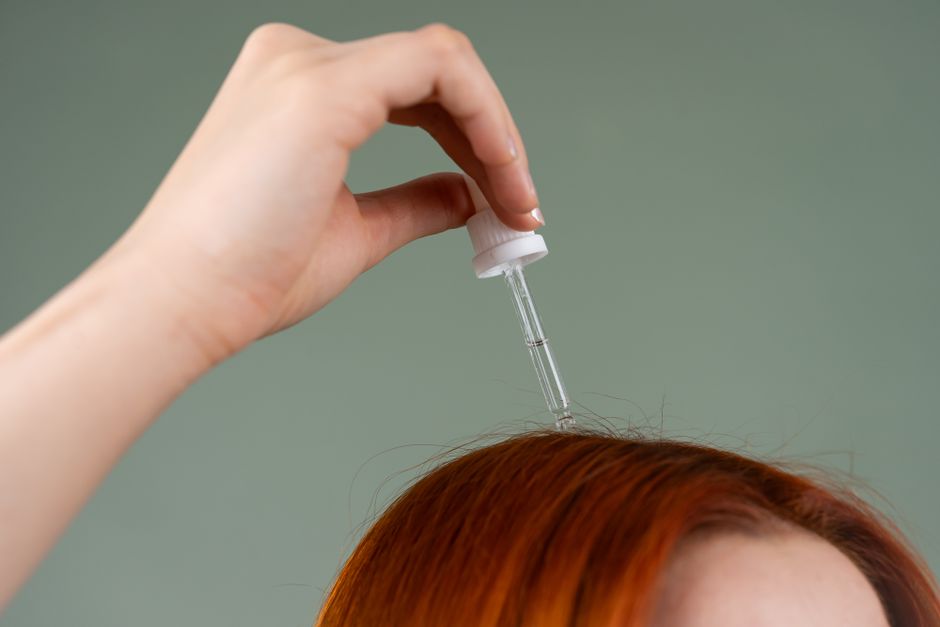
Here’s the exact schedule. Follow it.
Week 1: Apply retinol once. Wednesday night. Use the sandwich method. No other actives.
Week 2: Apply twice. Monday and Thursday. Still sandwiching. Still no actives.
Week 3: Apply every other night. If you feel stinging, go back to twice a week. That’s fine. Your skin is learning.
Week 4: If no irritation, try three nights on, one night off. You can add a gentle vitamin C serum in the morning now — but only if your skin feels normal, not tight or flaky.
By week 6, most people can use retinol nightly. Some never do — and that’s okay. Three times a week still delivers results. Consistency matters more than frequency.
You didn’t need a $200 serum. You needed a plan. Now you have one. Start slow, protect your barrier, and let retinol do its job.