At 7:30 a.m., your face feels tight after cleansing. By lunch, the skin around your nose is flaky, and the serum that felt smooth in October now seems to leave a sticky film followed by more dryness. That pattern usually points to a routine problem, not a failure of hyaluronic acid itself.
Dry winter air pulls water toward the environment, while indoor heating lowers humidity even further. Hyaluronic acid can bind water at the skin surface, but it cannot replace a moisturizer or repair a damaged barrier on its own. The correct winter method is simple: apply the serum to slightly damp skin, then seal it quickly with a cream.
Why Winter Air Makes Hyaluronic Acid Feel Tight
The water-loss problem
Hyaluronic acid is a humectant. Its main job is to attract and hold water near the outer layers of the skin. That can make dehydrated skin look smoother and feel more comfortable, but the molecule does not create water. If the air around you is cold and dry, the water sitting on the skin can evaporate quickly unless another product slows that loss.
Think of the skin barrier as a wall made from cells, oils, and protective lipids. A healthy wall keeps water in and irritants out. Winter wind, hot showers, harsh cleansers, indoor heating, and overuse of exfoliating acids can leave gaps in that wall. A watery serum may then feel good for ten minutes before the skin becomes tight again.
What the serum can and cannot do
Hyaluronic acid can improve surface hydration, soften the look of fine dehydration lines, and make rough skin feel more flexible. It cannot replace the lipids that help prevent water loss. It also cannot treat an eczema flare, heal deep cracks, or cancel out a cleanser that strips the face twice a day.
The winter mistake is applying a large amount of serum to completely dry skin and stopping there. More product does not equal more protection. A thin layer on damp skin, followed by a cream with ingredients such as ceramides, glycerin, petrolatum, or squalane, gives the formula a better chance to work without leaving the face exposed to dry air.
Winter verdict: use hyaluronic acid as the water step, not the entire moisture barrier.
How to Apply Hyaluronic Acid When Humidity Drops
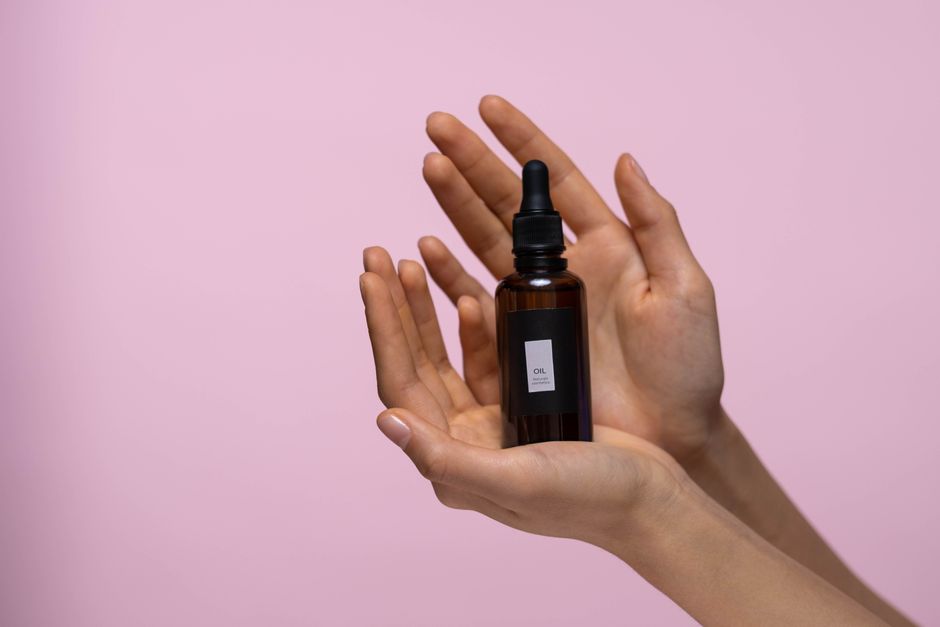
The four-minute routine
- Cleanse with lukewarm water. Keep the water comfortable rather than hot, and avoid scrubbing with a towel. If your face is not oily or sweaty in the morning, rinsing with water may be enough.
- Leave the skin slightly damp. Do not pat until the face is completely dry. A light film of water is useful; dripping wet skin is not required.
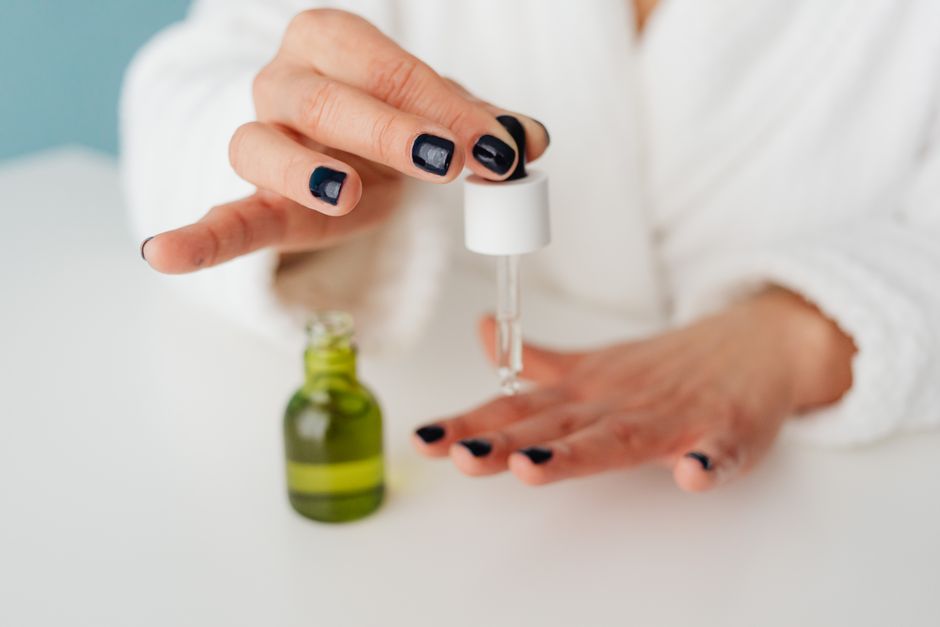
- Use two or three drops. Spread the serum over the face and neck with your fingertips. Press rather than rub hard, especially around the nose and mouth.
- Seal it within one minute. Apply a moisturizer while the serum still feels slightly damp. This step matters more in January than buying a higher-priced serum.
- Add daytime protection. Use a broad-spectrum sunscreen during daylight hours. Cold weather does not remove ultraviolet exposure, and a dry-skin routine still needs daily sun protection.
How to adjust the amount
Start with less than you think you need. A tacky finish, pilling under makeup, or tightness after ten minutes usually means the routine has too much water-based product and not enough sealing cream. One layer is enough for most faces. A second thin layer may help very dry cheeks, but only if the first layer absorbs without stinging.
At night, apply the serum after cleansing and before a richer cream. On windy days, place the cream on the cheeks, around the mouth, and under the eyes rather than spreading the same thin amount across every area. The forehead and nose often need less occlusion than the sides of the face.
When to pause the routine
Stop using the serum if it causes burning, swelling, hives, or a rash that continues after rinsing. Patch-test a new formula on the inner forearm or behind the ear for 24 hours before putting it across the face. If skin is cracked, bleeding, or intensely itchy, focus on bland barrier care and seek medical advice rather than adding more active products.
Which Hydrating Serum Holds Up in Winter?
Product choice matters after application technique is fixed. The strongest winter buy is not automatically the most expensive bottle. Look for a formula that gives water-binding ingredients some support, has a texture you can layer under cream, and does not force you to ignore stinging or redness.
| Product | Size and listed price | Winter strengths | Clear verdict |
|---|---|---|---|
| The Ordinary Hyaluronic Acid 2% + B5 with Ceramides | 30 ml; $9.90 | Five types of hyaluronic acid, ceramides, vitamin B5, oil-free texture | Best budget pick for normal to dry skin that needs barrier support |
| Naturium Quadruple Hyaluronic Acid Serum 5% | 30 ml; $17 | Four molecular weights, fragrance-free, gel texture, dermatologist tested | Best choice for someone who wants a more layered hydration feel |
| Vichy Minéral 89 Hydrating and Plumping Daily Booster | 50 ml; retailer pricing varies | Hyaluronic acid, polyglutamic acid, fast-absorbing gel texture | Best for a lightweight morning layer under sunscreen |
| La Roche-Posay Hyalu B5 Pure Hyaluronic Acid Serum | 30 ml; $39.99 | Four hyaluronic acid types, vitamin B5, richer cushioning texture | Best for very dry skin that tolerates a heavier serum |
My price-to-performance winner is The Ordinary formula with ceramides. It gives a low-cost routine a better winter foundation than a plain watery serum, and the 30 ml bottle is enough to test the method without a large commitment. Naturium is the stronger upgrade if you prefer a smoother gel and want four molecular weights without fragrance.
Prices change by retailer, size, and promotion. The insurance comparison stops there: premiums vary by state and individual factors, while serum prices vary by seller and bottle size. AM Best ratings and J.D. Power scores help evaluate insurers, but no equivalent rating proves that a serum will suit your skin. Get multiple quotes for insurance; for skincare, compare the ingredient list, cost per milliliter, return policy, and irritation risk.
The Winter Routine That Prevents Tightness
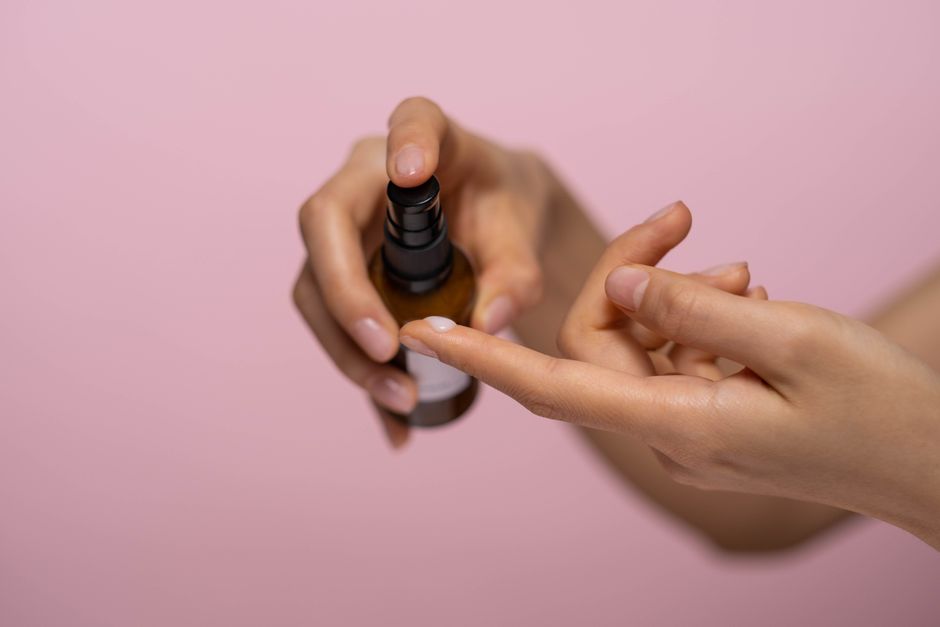
My recommendation is firm: apply a small amount of serum to damp skin, then cover it with moisturizer before the face dries. That sequence has a bigger effect than moving from a $10 bottle to a $50 bottle.
Morning: protect the water you add
Rinse or use a mild cleanser, leave the face slightly damp, and apply two or three drops of serum. Follow with moisturizer, then sunscreen. If makeup rolls over the top, reduce the serum to one or two drops and wait two minutes before applying the next layer. Pilling is a texture problem, not proof that the formula is working harder.
Night: repair the weak points
At night, cleanse gently and avoid using a retinoid, exfoliating acid, and a new serum all at once. Apply the hydrating serum, then a cream with barrier-supporting ingredients. For cheeks that crack in cold weather, a small amount of petrolatum over the cream can reduce overnight water loss. Keep that final layer away from areas that clog easily if it causes congestion.
Failure modes to avoid
- Applying it to bone-dry skin: this removes the water source the humectant needs.
- Skipping moisturizer: a serum is not a protective topcoat.
- Using too much: a sticky film can encourage rubbing and pilling without improving hydration.
- Ignoring cleanser damage: a foaming wash that leaves the face squeaky can undo the rest of the routine.
- Adding fragrance during a flare: winter-irritated skin has a lower tolerance for unnecessary extras.
For sensitive winter skin, La Roche-Posay Hyalu B5 is the better pick than a very thin serum if you want a cushioned feel and can accept the higher price. For a tight budget, The Ordinary with ceramides gives the clearest value. The product verdict is specific because the routine goal is specific: keep water in the skin without creating more irritation.
Can Hyaluronic Acid Make Dry Skin Worse?
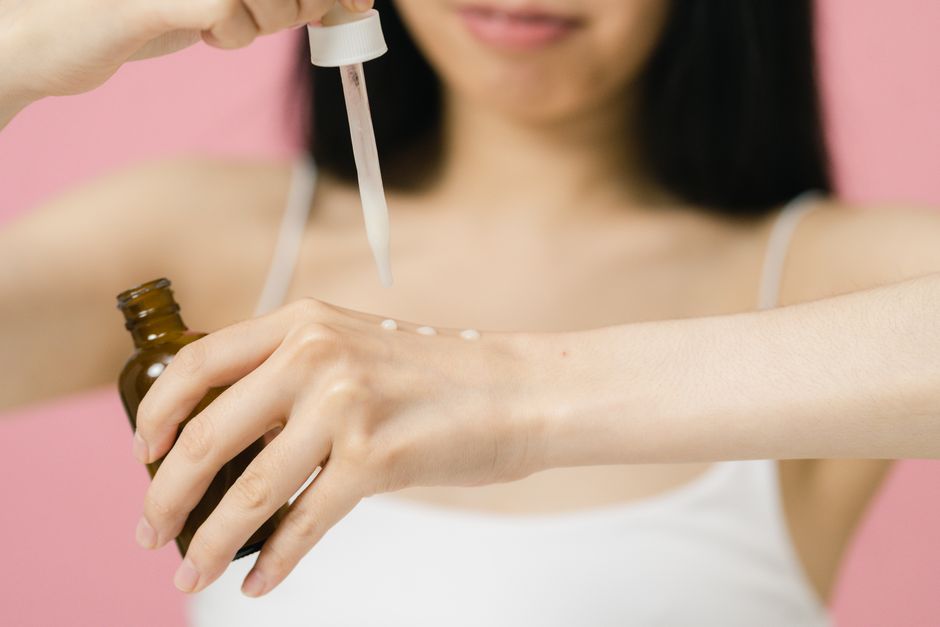
Why does my skin feel tighter after applying it?
The likely causes are dry application, skipped moisturizer, too many layers, or a damaged barrier. The serum may also contain preservatives or supporting ingredients that your skin dislikes. Rinse it off, simplify the routine for several days, and reintroduce one product at a time.
Should I buy a stronger percentage?
No. A larger percentage is not automatically better in dry winter air. The Ordinary 2% + B5 with ceramides is a stronger winter purchase than chasing a dramatic percentage because it combines humectants with barrier support at $9.90. Naturium’s 5% formula is a reasonable choice when you want a fuller gel texture, but the label alone does not guarantee better results.
When should I skip hyaluronic acid?
Skip it when your routine already feels sticky, when every application stings, or when your main problem is severe inflammation rather than simple dehydration. A plain moisturizer may be the better buy. For very dry, cracked skin, a ceramide cream or petrolatum-based ointment can do more than another serum. If symptoms persist, see a dermatologist instead of stacking products.
There is no state-specific coverage requirement for a hydrating serum, and no consumer should treat a premium price as proof of protection. The most useful coverage plan for winter skin is damp application, a sealing moisturizer, gentle cleansing, and enough time to see if the barrier settles.
The single most important takeaway is this: apply hyaluronic acid serum to slightly damp skin and seal it immediately with moisturizer.