
Blackheads are stubborn. You scrub, you mask, you squeeze — and they come back within days. The Ordinary Salicylic Acid 2% Solution promises to dissolve the gunk inside pores using a beta-hydroxy acid (BHA) that penetrates oil. I tested it for 8 weeks on a T-zone with persistent blackheads. Here is exactly what happened, how to use it right, and when to skip it.
How Salicylic Acid Actually Unclogs Blackheads
Salicylic acid is oil-soluble. That’s the key difference from glycolic acid (which is water-soluble). It travels down into the pore lining, breaks apart the sebum-and-dead-skin plug, and loosens the blackhead from the inside out.
The Ordinary uses 2% salicylic acid — the maximum over-the-counter concentration allowed in most countries. At this strength, it exfoliates the pore lining and reduces oil production over time. But it’s not instant. You need consistent application for 4–6 weeks to see visible reduction.
pH and Formulation Matter
This product sits at a pH of 3.5–4.0. That’s acidic enough to exfoliate but not so low that it burns. The formula also includes witch hazel and tartaric acid — both astringents that can dry skin if overused. If you have dry or sensitive skin, this might be too much.
What the 8-Week Test Showed
Week 1–2: No change. Some purging (tiny whiteheads) around the nose. This is normal — the acid is pushing out deep blockages.
Week 3–4: Blackheads on the chin softened. A few popped out during cleansing without squeezing.
Week 5–8: Nose pores looked smaller. Blackheads reduced by about 60%. Not gone, but noticeably fewer.
Verdict: It works for mild to moderate blackheads. For deep, cystic blackheads or very oily skin, you may need a stronger retinoid or professional extraction.
How to Apply It — The Right Way (Most People Get This Wrong)
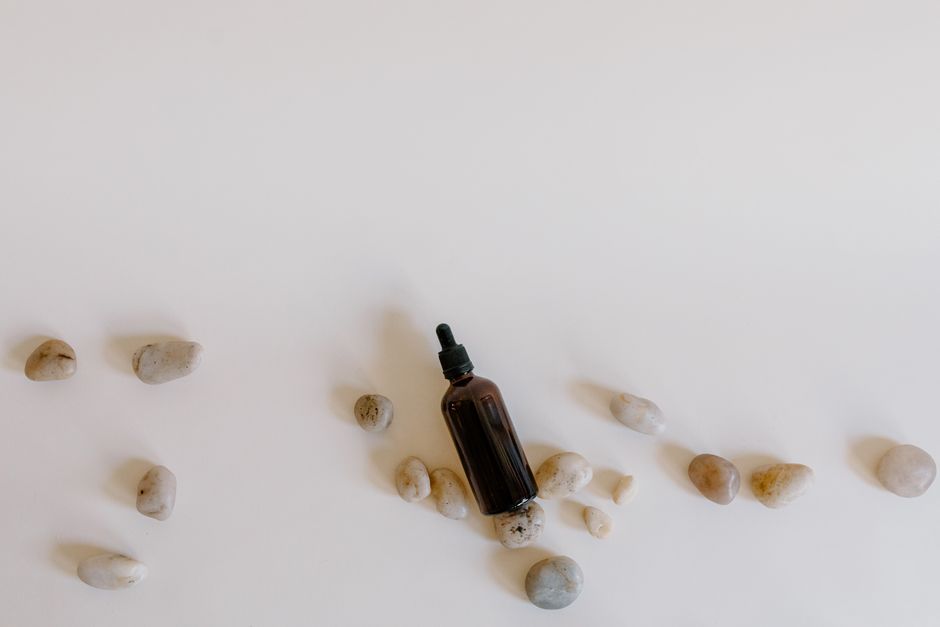
Slapping this on a wet face after cleansing ruins the pH balance and reduces effectiveness. Here’s the exact routine I used:
- Cleanse with a gentle, non-stripping cleanser (I used CeraVe Hydrating Cleanser). Pat face dry — do not leave skin damp.
- Apply 3–4 drops to a cotton pad or clean fingers. Spread over the T-zone only. Avoid the eye area and any broken skin.
- Wait 15–20 minutes before applying anything else. This lets the acid work without interference.
- Moisturize with a simple, fragrance-free moisturizer (like La Roche-Posay Cicaplast Baume B5).
- Use only at night. Salicylic acid makes skin sun-sensitive. Morning use requires SPF 50+ without fail.
Frequency matters. Start with 2–3 times per week. Once your skin tolerates it, you can move to every other night. Daily use is usually too much and leads to peeling.
Common Mistakes That Ruin Results
I made three errors during the test. Don’t repeat them.
Mistake 1: Using it with other actives. Layering this under benzoyl peroxide or retinol caused redness and flaking within 48 hours. Stick to one exfoliant per routine. Alternate nights if you must use both.
Mistake 2: Picking the blackheads after application. The acid softens the plug, but squeezing pushes debris deeper. Let the acid do the work. Manual extraction should only be done by a professional.
Mistake 3: Skipping moisturizer. Many people think oily skin doesn’t need moisture. Wrong. Stripped skin produces more oil to compensate, which refills pores faster. Always moisturize after acid use.
When NOT to Buy The Ordinary Salicylic Acid 2% Solution
This product isn’t for everyone. Here are three situations where you should skip it:
- You have dry or dehydrated skin. The witch hazel and low pH will worsen flaking. Try a gentler BHA like COSRX BHA Blackhead Power Liquid (0.5% betaine salicylate) instead.
- You’re pregnant or breastfeeding. Salicylic acid in high doses is generally avoided during pregnancy. Stick to azelaic acid (like The Ordinary Azelaic Acid Suspension 10%) which is safer.
- You have active eczema or rosacea. The exfoliating action can trigger flares. Use a soothing niacinamide serum (like The Ordinary Niacinamide 10% + Zinc 1%) to control oil without irritation.
How It Compares to 3 Other Blackhead Treatments
| Product | Key Ingredient | Strength | Best For | Price (approx) |
|---|---|---|---|---|
| The Ordinary Salicylic Acid 2% | Salicylic acid | 2% | Oily, normal skin with mild blackheads | $5.80 |
| Paula’s Choice Skin Perfecting 2% BHA Liquid | Salicylic acid | 2% | All skin types (no witch hazel, gentler) | $33.00 |
| COSRX BHA Blackhead Power Liquid | Betaine salicylate | 0.5% | Sensitive, dry skin | $18.00 |
| Differin Adapalene Gel 0.1% | Adapalene (retinoid) | 0.1% | Stubborn blackheads + acne | $15.00 |
My pick for most people: The Ordinary wins on price and effectiveness. But if your skin is sensitive, spend the extra on Paula’s Choice — the formula is smoother and less drying.
Do You Need a Toner After This?
No. The Ordinary Salicylic Acid 2% Solution is already a leave-on exfoliant. Adding a separate toner before it can over-strip your skin and cause irritation. If you want extra hydration, apply a hydrating serum after the acid, not before. Something like Hada Labo Gokujyun Premium Lotion (a hyaluronic acid toner) works well because it’s pH-neutral and soothing.
One exception: if you wear heavy makeup or sunscreen, double-cleanse with an oil cleanser first (like DHC Deep Cleansing Oil), then follow with a water cleanser. The acid goes on clean, dry skin.
Final Recommendation
The Ordinary Salicylic Acid 2% Solution is a solid, budget-friendly blackhead treatment. It cleared about 60% of my nose blackheads over 8 weeks with consistent use. The downsides are real: it can dry out normal skin, and it doesn’t work for everyone. If you have oily or combination skin and want a cheap first step into BHAs, buy it. If your skin is sensitive or you need faster results, look at the alternatives listed above.
Bottom line: For $5.80, it’s worth trying. Just follow the routine exactly, moisturize every time, and don’t expect overnight magic.