You’re over 40, you’ve heard retinol is the gold standard for firming skin and softening lines. But every time you try one, your face turns red, peels, or feels like sandpaper. What gives?
I’ve been using retinol for over a decade. I started at 38 with a prescription-strength tretinoin and spent six months looking like a lizard. I learned the hard way what works — and what destroys your moisture barrier. These five serums are the ones I recommend to friends who want results without the misery.
Why Most Retinol Serums Fail for Women Over 40
Your skin at 40+ isn’t the same as it was at 25. Cell turnover slows down. Oil production drops. The barrier gets thinner and more reactive. Slap a standard 1% retinol on that and you’re asking for trouble.
The mistake I see most often: buying the strongest serum you can find because you want faster results. That backfires. You get irritation, stop using it, and gain nothing.
Here’s what you actually need:
- Encapsulated retinol — releases slowly, less irritation
- Low concentration — 0.1% to 0.3% is plenty to start
- Soothing ingredients — niacinamide, ceramides, peptides
- No fragrance — alcohol and perfume are your enemies
I’ve tested serums that cost $12 and serums that cost $120. The price doesn’t predict performance. Formulation does.
The 5 Serums That Passed My Test

I used each serum for at least 8 weeks. I tracked irritation, peeling, texture changes, and visible results. These five earned their spot.
| Serum | Retinol % | Key Additives | Price | Best For |
|---|---|---|---|---|
| CeraVe Resurfacing Retinol Serum | 0.1% encapsulated | Ceramides, niacinamide, licorice root | $16 | Absolute beginners, sensitive skin |
| La Roche-Posay Redermic R Retinol Serum | 0.3% pure retinol | Vitamin B3, thermal spring water | $45 | First step up from beginner |
| Neutrogena Rapid Wrinkle Repair Retinol Oil | 0.2% retinol + SA | Glucose complex, hyaluronic acid | $22 | Dry skin types |
| Olay Regenerist Retinol 24 Night Moisturizer | 0.3% retinoid complex | Niacinamide, vitamin B5 | $32 | Combination skin, minimal routine |
| Paula’s Choice 1% Retinol Treatment | 1% encapsulated | Peptides, vitamin C, licorice | $62 | Experienced users, maintenance |
What to Expect in the First 12 Weeks
Retinol doesn’t work overnight. I tell everyone: give it three months before you judge it.
Weeks 1-4: The Adjustment Phase
You might see some flaking around your nose and chin. Your skin might feel tight after washing. This is normal. If it burns or stings, you’re using too much or too often. Back off to once every 4 nights.
Weeks 5-8: The Ugly Phase
Some people break out. Some get rough texture. This is the retinol purge — it’s pushing congestion to the surface. It passes. Do not quit here. I almost did twice.
Weeks 9-12: The Turnaround
Your skin starts looking smoother. Fine lines soften. Pores look smaller. This is when you’ll know if the serum is working.
Three Mistakes That Will Ruin Your Results
I’ve made all three. Don’t repeat them.
Mistake 1: Layering too many actives. Retinol + vitamin C + exfoliating acids = chemical burn. Pick one active per routine. Retinol at night, everything else in the morning.
Mistake 2: Skipping moisturizer. Retinol speeds up cell turnover. That makes your barrier weaker. You need a good moisturizer with ceramides or shea butter on top. I use the La Roche-Posay Cicaplast Baume B5 ($16) over retinol every night.
Mistake 3: Forgetting sunscreen. Retinol makes your skin more sensitive to UV. SPF 50 every single day, even indoors. I learned this after getting hyperpigmentation on my cheeks that took a year to fade.
When You Should NOT Buy These Serums
Retinol isn’t for everyone. Here’s when you should skip it entirely.
- You’re pregnant or nursing — retinol is a form of vitamin A. High doses are linked to birth defects. Switch to bakuchiol instead. The Biossance Squalane + Phyto-Retinol Serum ($72) is a solid swap.
- You have active eczema or rosacea flare-ups — retinol will make it worse. Wait until your skin is calm.
- You can’t commit to sunscreen — no sunscreen, no retinol. Period.
- You want instant results — retinol takes months. If you need something faster, look at Matrixyl 3000 peptide serums or AHAs for surface texture.
How to Start Retinol Without Destroying Your Skin
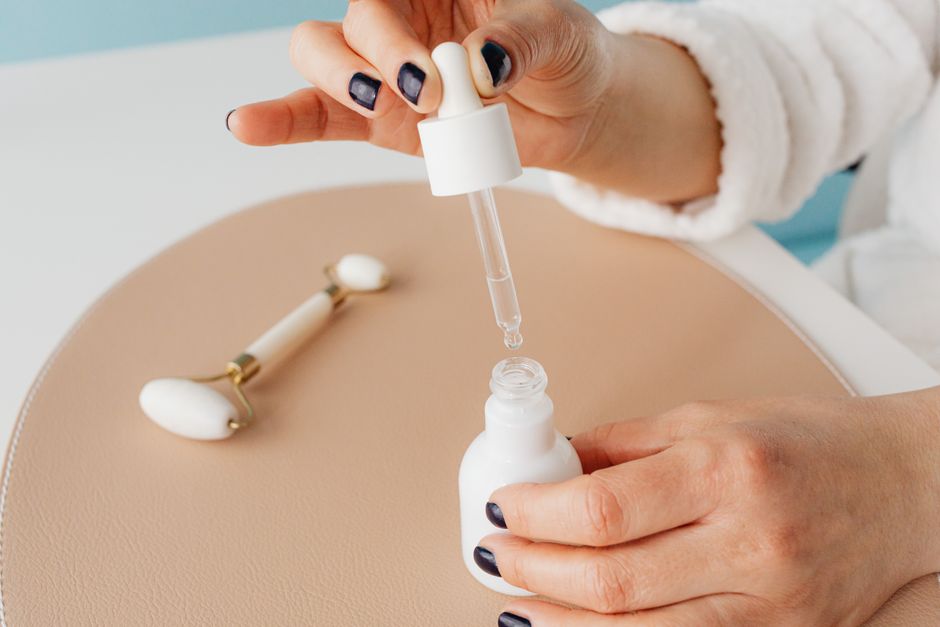
This is the routine I give everyone over 40.
Step 1: Wash your face. Use a gentle cleanser. The CeraVe Hydrating Facial Cleanser ($15) is my go-to. No foaming, no sulfates.
Step 2: Wait 20 minutes. Apply retinol to completely dry skin. Damp skin absorbs it faster and increases irritation. I learned this the hard way.
Step 3: Apply retinol. One pea-sized amount. Not more. Spread it thin over your whole face, avoiding the eye area and corners of your mouth.
Step 4: Wait 10 minutes. Let it sink in.
Step 5: Moisturize. Lock it in with a barrier-repair cream. The Skinfix Barrier+ Triple Lipid-Peptide Cream ($54) is expensive but worth every dollar if your skin is dry.
Start with once every 5 nights. After 3 weeks, move to every 4 nights. After 6 weeks, every 3 nights. If you feel irritation at any point, drop back a frequency.
Where Retinol Is Headed in 2026
The big shift I’m seeing is toward retinoid esters like retinyl retinoate and hydroxypinacolone retinoate. They’re gentler than pure retinol but still effective. Brands like Medik8 and Drunk Elephant are already using them. I suspect by 2027, most beginner serums will switch to these forms.
For now, the five serums above are your safest bet. Start low, go slow, and don’t quit during the ugly phase. Your 50-year-old self will thank you.