A 2019 peer-reviewed trial published in the British Journal of Dermatology found that bakuchiol produced statistically comparable results to 0.5% retinol for fine lines and pigmentation — with significantly less peeling, burning, and stinging reported by participants. That single study did not settle the debate, but it permanently shifted how dermatologists frame the conversation about retinoid alternatives with patients who have reactive skin.
The comparison matters because the stakes are real. Retinol remains the most extensively studied topical anti-aging ingredient in dermatology, with decades of peer-reviewed data behind its ability to stimulate collagen synthesis and accelerate cell turnover. Bakuchiol, extracted from the seeds and leaves of the babchi plant (Psoralea corylifolia), carries far less research — but the research that does exist is promising, and its tolerability profile is notably better.
Here is what the evidence actually shows, what each ingredient genuinely does to skin at the cellular level, and which one is the more defensible choice for skin that reacts to almost everything.
What These Two Ingredients Actually Do Inside Your Skin
Retinol belongs to the retinoid family — vitamin A derivatives. When applied topically, retinol undergoes a two-step conversion inside skin cells: first to retinaldehyde, then to retinoic acid, which is the biologically active form that binds to nuclear receptors and changes how genes express themselves in skin cells. The result, over weeks to months, is faster cell turnover, increased collagen production, and reduced melanin clustering.
The irritation comes from that same process. Rapid cell turnover disrupts the skin barrier temporarily. Retinoic acid binding triggers inflammatory signaling. This is not a side effect to be optimized away — it is partly the mechanism. The skin is being pushed to regenerate faster than it naturally would.
Why Retinoids Cause Retinization
The flaking, redness, and tightness that typically occurs during the first four to eight weeks of retinol use has a clinical name: retinization. It represents the skin barrier adjusting to accelerated turnover. Most people who push through this phase find their skin tolerates retinol well within two months. Sensitive skin types often stall in this phase — the barrier is already compromised, and additional disruption causes sustained irritation rather than a temporary transition.
Concentrations matter considerably here. A 0.025% retinol serum produces meaningfully less retinization than a 0.5% or 1% formula, though the timeline to visible results extends accordingly. The error most sensitive-skinned people make is starting at 0.3% or higher because that is what was available at the drugstore. That is a significant jump for a barrier that is already struggling.
How Bakuchiol Works Differently
Bakuchiol is a meroterpene, not a vitamin A derivative. It does not convert to retinoic acid. What it does — and this is where the science gets genuinely interesting — is functionally activate some of the same retinoid signaling pathways without binding to the same nuclear receptors. Think of it as a key that partially fits the same lock, opening some but not all of the same doors.
Practically, this means bakuchiol delivers some collagen-stimulating and cell-turnover effects without triggering the retinization response. It is also photostable, meaning it does not degrade in sunlight the way retinol does, so it can be used morning or evening. And it has not been associated with the fetal development risks that make retinoids contraindicated during pregnancy.
The evidence gap between retinol and bakuchiol is real and worth naming clearly. Retinol is supported by dozens of double-blind, placebo-controlled trials conducted across multiple decades. Bakuchiol’s most cited study involved 44 participants over 12 weeks. That study produced meaningful results — but it is a single data point. Any claim that bakuchiol works exactly as well as retinol deserves scrutiny proportional to the evidence base supporting it.
Side-by-Side: What the Data Actually Shows
The honest comparison requires holding both ingredients to the same evidentiary standard. Here is where each one stands across the dimensions that matter most for sensitive skin decision-making.
| Factor | Retinol | Bakuchiol |
|---|---|---|
| Clinical research depth | Extensive — 40+ years of peer-reviewed studies | Limited — promising but small-scale trials |
| Irritation risk | Moderate to high, especially at first | Low — generally well-tolerated |
| Collagen stimulation | Strong, well-documented | Moderate, based on limited data |
| Safe during pregnancy | No — generally contraindicated | Generally considered safer, though research is limited |
| Photostability | Degrades in UV — evening use recommended | Stable in sunlight — AM or PM use |
| Conflicts with other actives | Avoid layering with AHAs, BHAs, vitamin C | Layers comfortably with most actives |
| Entry-level cost | From ~$7 (The Ordinary 0.2%) | From ~$14 (The Inkey List Bakuchiol) |
The table makes the tradeoff clear: retinol offers more proven efficacy; bakuchiol offers more predictable tolerability. For sensitive skin that has never tolerated a retinoid, that tolerability advantage is not trivial — it determines whether you actually use the product consistently or abandon it in week two.
Three Situations Where Bakuchiol Is the Clearer Choice
There are specific situations where defaulting to bakuchiol is not just a preference — it is the more defensible decision based on skin condition or circumstance.
- Pregnancy and breastfeeding. Topical retinoids are generally advised against during pregnancy due to the well-established teratogenic risk associated with oral retinoids such as isotretinoin and tretinoin. While the systemic absorption of topical retinol is typically low, most dermatologists and OB-GYNs recommend avoiding the entire retinoid class as a precaution. Bakuchiol carries no such classification, though pregnant individuals should consult their healthcare provider before introducing any active ingredient to their routine.
- Active rosacea, eczema, or perioral dermatitis flares. When the skin barrier is visibly inflamed, flushed, or broken, introducing retinol is likely to worsen things before anything improves. Bakuchiol can often be used even during mild flares because it does not trigger the same inflammatory cascade. Starting retinol during an active flare is a reliable way to extend that flare.
- First introduction to actives. For someone whose routine is cleanser, moisturizer, and SPF — and nothing else — jumping to retinol requires patience that many people underestimate. Bakuchiol allows you to build the habit of nightly actives, observe how your skin responds to a mild cell-turnover promoter, and decide later whether to transition to retinol once the routine is established.
The Retinol Introduction Mistakes That Make Sensitive Skin Give Up
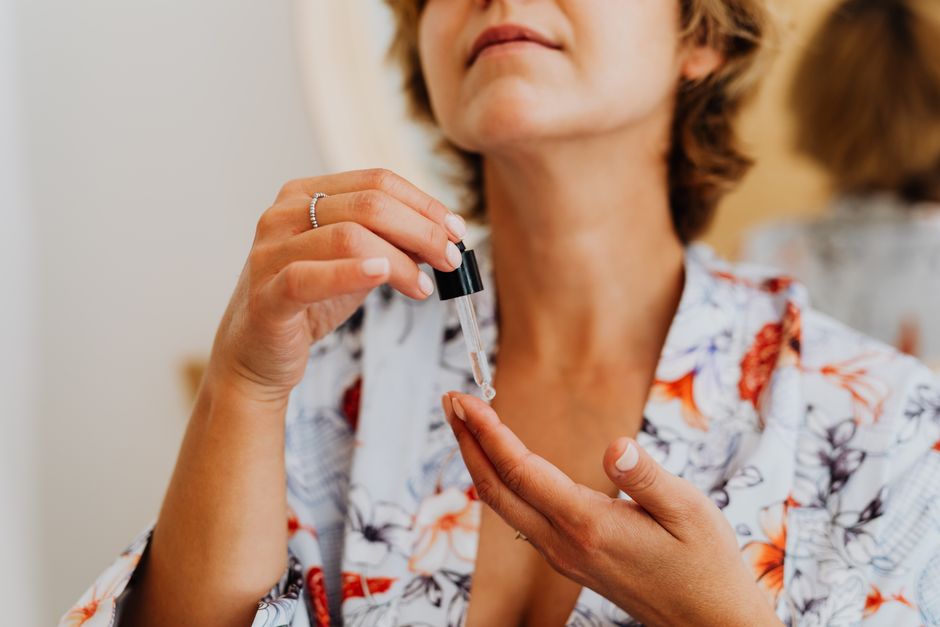
Most people who conclude they cannot tolerate retinol were simply introduced to it wrong. The pattern is consistent: start at too high a concentration, apply nightly from day one, layer it with vitamin C or an exfoliating acid, wake up to a wrecked barrier, and write off the ingredient permanently. That sequence of events is avoidable.
The typical dermatologist-recommended introduction for sensitive skin looks like this: 0.025% to 0.1% concentration, twice per week for the first month, then three times per week in month two, then nightly by month three — if tolerated. Most people compress this to nightly application of 0.3% starting in week one. The result is predictable, and it is not tolerance.
Sensitive skin does not mean skin that cannot handle retinol. It means skin that requires a slower, more deliberate introduction. The clinical outcome of a properly introduced retinol protocol is, in most cases, eventual full tolerance — it just takes longer to establish, and the intermediate weeks look worse than they need to.
The Actives You Cannot Layer with Retinol on the Same Evening
Retinol does not combine well with AHAs (glycolic acid, lactic acid), BHAs (salicylic acid), or direct vitamin C (ascorbic acid) in the same application session. Combining these on the same evening does not double the benefit — it increases barrier disruption without proportional reward. Use retinol on its own, on evenings when you are not using exfoliating acids. Simple separation significantly reduces the irritation load on skin that is already reactive.
One genuinely effective method for reducing retinol irritation is the buffer approach: apply a light layer of moisturizer first, wait two minutes, apply retinol, then seal with another layer of moisturizer. This slows dermal penetration and lowers the acute irritation response without eliminating efficacy.
Specific Products for Sensitive Skin: What to Actually Buy
If your skin is reactive and you want to try retinol, which product?
The Ordinary Retinol 0.2% in Squalane ($7, 30ml) is the lowest practical starting concentration available over-the-counter. The squalane base is barrier-friendly and non-comedogenic, and at 0.2%, the retinization response is typically mild. This is a credible starting product for sensitive skin — not a compromise, just a sensible entry dose. Start twice a week.
CeraVe Skin Renewing Retinol Serum (~$20, 30ml) uses encapsulated retinol at approximately 0.3%, released slowly on skin to reduce peak irritation. The ceramide and hyaluronic acid base actively supports barrier function while the retinol works. For dry-sensitive skin specifically, this formulation approach is meaningfully better than retinol suspended in a minimal carrier.
Tip: After applying retinol, wait at least 20 minutes before applying any other active ingredient. Applying niacinamide or vitamin C immediately on top can interfere with retinol before it has fully absorbed.
If you want to start with bakuchiol, which product?
The Inkey List Bakuchiol Moisturizer ($13.99, 50ml) delivers 1% bakuchiol in a moisturizing base — the highest concentration available at that price point, and the entry-level option that removes the most financial risk from testing the ingredient. If budget is a factor, start here.
Herbivore Bakuchiol Retinol Alternative Serum ($54, 30ml) contains 0.5% bakuchiol alongside squalane and polyglutamic acid, with no added fragrance. This is the product most frequently cited by dermatologists when recommending a clean, well-formulated bakuchiol option. The lightweight texture absorbs cleanly and layers well under moisturizer.
For dry-to-normal sensitive skin that prefers oil textures, Cocokind Bakuchiol Face Oil ($20) pairs bakuchiol with rosehip seed oil and jojoba. The oil base can contribute to congestion on acne-prone sensitive skin, so skip it if clogged pores are part of your concern.
Tip: Give any new anti-aging active a minimum of eight to twelve weeks before evaluating results. Visible collagen changes take time — concluding at week three that something does not work is not a fair trial of the ingredient.
Is combining both retinol and bakuchiol worth doing?
Some formulators are now pairing bakuchiol with low-dose retinol on the theory that bakuchiol may reduce the irritation associated with retinol while adding complementary activity. Biossance Squalane + Phyto-Retinol Serum ($72, 30ml) takes this approach — though despite the name, it uses bakuchiol as the primary active rather than retinol. The squalane base is excellent for sensitive skin, and it is a reasonable option for someone who wants bakuchiol’s tolerability with marginally more visible results than bakuchiol alone delivers.
Tip: Patch test any new active on the inside of your wrist for 48 hours before applying to your face. If your skin is currently compromised — sunburned, actively breaking out, or in a visible flare — hold off on introducing any new active until the barrier is stable.
The Honest Verdict
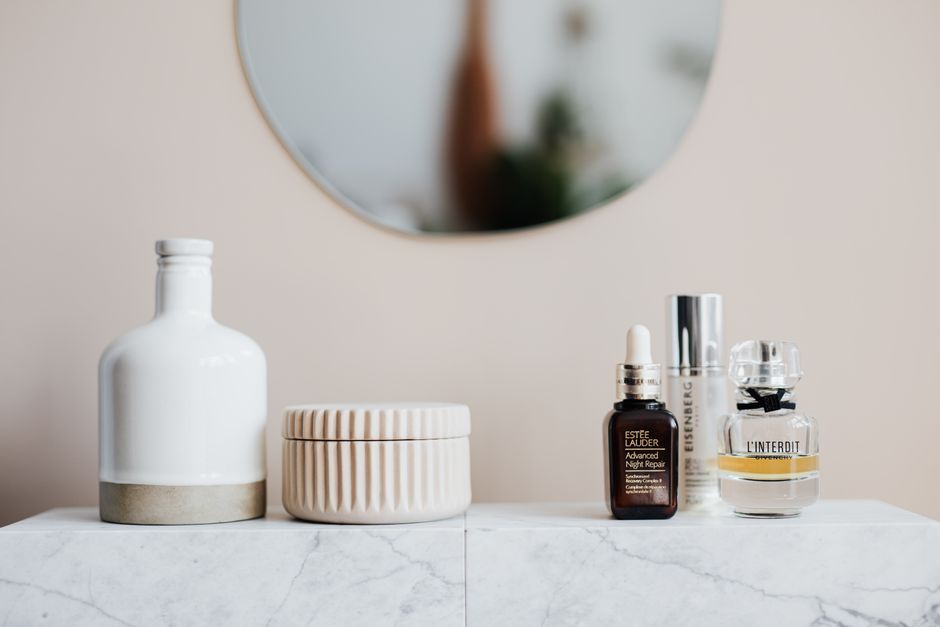
For true beginners with sensitive skin, bakuchiol is the lower-risk starting point. It is the ingredient you can build a consistent habit around without a compromised barrier derailing week two.
Retinol, introduced at 0.025% to 0.1% and used twice weekly to start, remains the more potent long-term option with the stronger evidence base behind it. The two are not interchangeable — they serve different stages of the same goal, and using one does not foreclose the other.
The anti-aging ingredient category is moving quickly. Peptide complexes, growth factor formulations, and synthetic retinoid analogs with improved tolerability are all advancing through clinical development. The retinol versus bakuchiol conversation may look different within the next five years — but right now, those remain the two most credible consumer-available options at reasonable price points, and the choice between them comes down to where your skin currently is, not which ingredient carries a more compelling story.