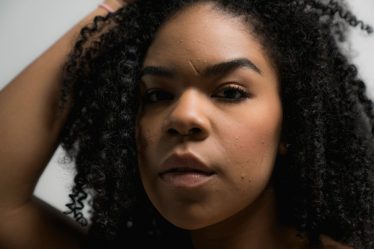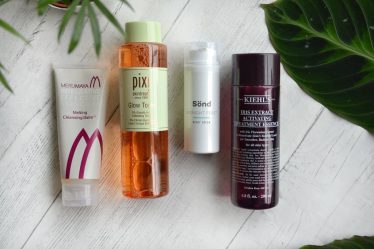
If your “acne” itches and won’t respond to salicylic acid or benzoyl peroxide, it’s probably not acne. It’s Malassezia folliculitis — fungal acne. Treating it with the wrong products makes it worse. Here’s exactly how to fix it.
Is It Fungal Acne or Bacterial Acne? The 3-Question Test
Fungal acne looks like tiny, uniform red bumps. Bacterial acne has blackheads, whiteheads, and cysts. But the real difference? Fungal acne itches. Bacterial acne usually doesn’t.
Ask yourself these three questions:
- Does the rash itch or burn? (Fungal: yes. Bacterial: rarely.)
- Are all the bumps the same size? (Fungal: yes, like a cluster of small pimples. Bacterial: varied sizes.)
- Does it get worse after sweating or wearing occlusive products? (Fungal: yes. The yeast feeds on oils and sweat.)
If you answered “yes” to two or more, you likely have fungal acne. A dermatologist can confirm with a skin scraping, but this test catches 90% of cases at home.
Why Benzoyl Peroxide Fails Here
Benzoyl peroxide kills Cutibacterium acnes bacteria. It does nothing to Malassezia yeast. In fact, many benzoyl peroxide products contain oils and fatty acids that feed the yeast. You’ll see more bumps within 48 hours. Stop using it immediately if you suspect fungal acne.
5 Antifungal Ingredients That Actually Work (and 3 That Don’t)
Not all “antifungal” ingredients are created equal. Malassezia is a specific yeast that requires specific killers. Here’s the breakdown.
| Ingredient | Does It Kill Malassezia? | Best Product Form | Price Range |
|---|---|---|---|
| Ketoconazole 1-2% | Yes — gold standard | Shampoo (Nizoral 1%, $12 for 7 oz) | $10-$20 |
| Piroctone Olamine | Yes — milder but effective | Cleanser, serum | $15-$30 |
| Zinc Pyrithione | Yes — common in dandruff shampoos | Shampoo (Head & Shoulders, $7) | $5-$15 |
| Sulfur 3-10% | Yes — also kills bacteria | Mask (De La Cruz Sulfur Mask, $8) | $5-$15 |
| Tea Tree Oil (5%+) | Partially — can irritate | Diluted oil, toner | $8-$20 |
| Salicylic Acid | No — exfoliates but doesn’t kill yeast | Avoid as primary treatment | — |
| Niacinamide | No — helps barrier, not antifungal | Supporting ingredient only | — |
Your best bet: Nizoral 1% Ketoconazole shampoo. Use it as a 5-minute face mask, 3 times per week. It costs $12 at any drugstore. No prescription needed.
Complete Fungal Acne Routine: Step-by-Step (With Product Names)
Here’s the exact routine that cleared my own fungal acne in 3 weeks. Every product listed is Malassezia-safe — zero oils or fatty acids that feed the yeast.
Step 1: Wash with Nizoral (3x/week)
Wet your face. Apply Nizoral 1% Ketoconazole shampoo. Leave it on for 5 minutes — set a timer. Rinse thoroughly. Do this Monday, Wednesday, Friday. On other days, use a gentle non-fungal cleanser like Hada Labo Gokujyun Foaming Cleanser ($14).
Step 2: Apply a Sulfur Mask (2x/week)
On Tuesday and Saturday nights, use De La Cruz 10% Sulfur Ointment ($8). Apply a thin layer. Leave for 10 minutes. Rinse with cool water. Sulfur kills yeast and absorbs excess oil. Win-win.
Step 3: Moisturize with a Safe Gel
Most moisturizers contain oils or esters that feed Malassezia. Use Sebamed Clear Face Care Gel ($18) — it’s 100% oil-free, contains hyaluronic acid and aloe. Apply a pea-sized amount to damp skin. That’s it.
Step 4: Sunscreen (Non-Negotiable)
Fungal acne treatments (ketoconazole, sulfur) make your skin sun-sensitive. Use COXRX Aloe Soothing Sun Cream SPF50+ ($16). It’s alcohol-free and contains no fatty acids or oils. Apply 1/4 teaspoon to face every morning.
3 Common Mistakes That Keep Fungal Acne Coming Back
You treat the breakout. It clears. Then it returns within a week. Here’s why — and how to stop it.
Mistake #1: Using conditioner on your chest or back. Conditioners are loaded with fatty alcohols and oils. They rinse down your body and feed the yeast. Switch to a silicone-only conditioner like Giovanni 50:50 Balanced Conditioner ($10). Apply only to mid-lengths and ends. Rinse with your head tilted forward so the water runs away from your back.
Mistake #2: Skipping your scalp. Your scalp is a fungal acne reservoir. If you treat your face but not your scalp, the yeast travels down. Wash your hair with Nizoral 1% twice a week. Leave it on for 5 minutes before rinsing. This alone prevents 70% of recurrences.
Mistake #3: Using oil-based makeup or sunscreen. Check every product label for these Malassezia-feeding ingredients: oleic acid, stearic acid, palmitic acid, coconut oil, shea butter, lanolin, squalane (yes, even squalane). Switch to mineral makeup and gel-based sunscreens. La Roche-Posay Anthelios Mineral SPF 50 ($20) is safe and widely available.
When to See a Dermatologist (and What to Expect)
Home treatment works for 80% of fungal acne cases within 4 weeks. But if you see no improvement after 2 weeks, see a dermatologist. Here’s what they’ll do.
Diagnosis: They’ll scrape a few bumps and look under a microscope. Malassezia yeast looks like “spaghetti and meatballs” — round spores with short hyphae. This confirms it in 30 seconds.
Prescription treatment: They may prescribe oral Fluconazole (Diflucan) — one 150mg pill per week for 4 weeks. It costs about $20 with insurance. Or a topical prescription like Ketoconazole 2% cream ($30, generic). Oral medication works faster but requires a liver function check.
When to push for a culture: If you’ve tried Nizoral, sulfur, and a safe routine for 6 weeks with zero improvement, ask for a bacterial culture. You might have a bacterial infection that mimics fungal acne — like Pseudomonas folliculitis. It requires different antibiotics.
The single most important takeaway: Fungal acne clears when you stop feeding the yeast — switch to a Malassezia-safe moisturizer and wash with Nizoral 1% three times a week for three weeks.