Studies show a staggering 80% of people apply less than half the recommended amount of sunscreen. This means your SPF50 product might only be giving you SPF20 protection. The biggest mistake isn’t buying the wrong sunscreen; it’s using it incorrectly. Japanese sunscreens offer a unique solution. Their advanced, cosmetically elegant formulas make proper application easier and more pleasant. This guide will walk you through choosing and using the best Japanese sunscreens available in 2025, ensuring you get the full protection you pay for.
Most People Miss 50% of Their Sun Protection
Getting sun protection right is more than just grabbing any bottle. Most of us under-apply sunscreen. We spread it too thin. This dramatically reduces its effectiveness. An SPF50 cream, if applied at half the recommended thickness, might only provide an SPF of 7 or 8. That’s a huge drop in protection. This common error leaves skin vulnerable to premature aging, hyperpigmentation, and increased risk of skin cancer.
Japanese sunscreens shine here. They are known for their incredibly lightweight textures. Gels, essences, and milks spread easily. They absorb fast. This encourages users to apply the correct amount without feeling heavy or sticky. Their innovative formulas are designed for comfort. This makes consistent, adequate application a reality, not a chore.
Applying the Right Amount, Every Time
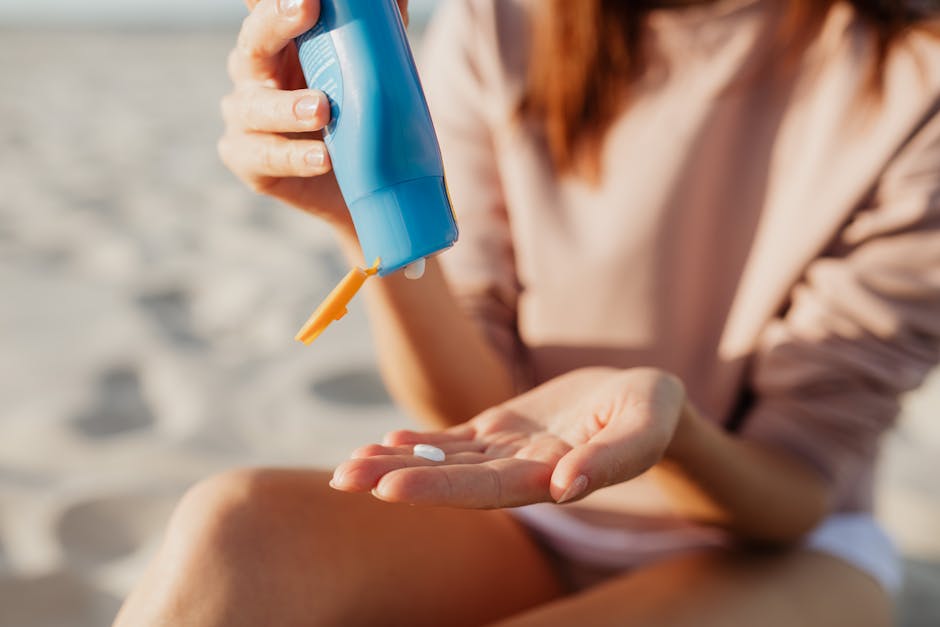
The standard recommendation for sunscreen application is 2mg per square centimeter of skin. For the face and neck alone, this translates to about a quarter teaspoon, or a full two-finger length of product. Most people use far less. To ensure you’re getting the stated SPF, measure it out. It might seem like a lot at first. But with a lightweight Japanese formula, it disappears into the skin quickly, leaving no unpleasant residue. Don’t rub until it vanishes; gently layer it on. Let it absorb.
Reapplication is Non-Negotiable
Sunscreen doesn’t last all day. Its effectiveness degrades over time due to sweat, water, friction, and simply breaking down in UV light. You need to reapply it. The rule of thumb: every two hours. This is especially true if you are outdoors, sweating, or swimming. After swimming or heavy sweating, reapply immediately. For those wearing makeup, innovative Japanese products like UV powders or mists allow for easy touch-ups without disturbing your look. Ignoring reapplication is like using sunscreen for only half the day. It negates much of your morning effort.
Deciphering Japanese SPF and PA Ratings

Japanese sunscreen labels use a clear, concise system. Understanding it is key to effective protection. It’s not just about a high SPF number. Both SPF and PA ratings tell a specific story about the level of defense against different types of UV radiation. Look for both on any Japanese sunscreen you choose.
Understanding SPF: How Long Does it Protect?
SPF stands for Sun Protection Factor. It primarily measures protection against UVB rays. UVB rays are the main cause of sunburn and contribute to skin cancer. An SPF number indicates how many times longer it takes for skin to redden when exposed to the sun, compared to unprotected skin. For example, SPF50 means it takes 50 times longer. SPF50 blocks about 98% of UVB rays. SPF30 blocks around 97%. The difference in percentage blocked between SPF30 and SPF50 is small. However, SPF50 offers a longer duration of effective protection before reapplication is needed. Do not confuse duration with total blocking power. No sunscreen blocks 100%.
PA++++: Your UVA Shield
The PA rating system measures protection against UVA rays. UVA rays penetrate deeper into the skin. They cause premature aging, wrinkles, and hyperpigmentation. They also contribute to skin cancer. The PA system uses plus signs: PA+ offers some protection, PA++ offers moderate protection, PA+++ offers high protection, and PA++++ offers extremely high UVA protection. For daily use, especially if you are concerned about aging or dark spots, always aim for PA++++. This ensures comprehensive broad-spectrum protection. It guards against both burning (UVB) and aging (UVA).
Water and Sweat Resistance Explained
Many Japanese sunscreens boast superior water and sweat resistance. This is crucial for active individuals or humid climates. Look for terms like “Water Resistant” or “Super Waterproof.” In Japan, “Water Resistant” typically means the product retains its SPF for 40 minutes in water. “Super Waterproof” indicates it holds up for 80 minutes. This advanced resistance is achieved through innovative film-forming technologies. These create a robust barrier on the skin. This barrier prevents the sunscreen from washing off easily. It also makes them resistant to friction, which means they don’t rub off as quickly on clothes or towels. Always check these labels if you plan on swimming or intense exercise.
Top Japanese Sunscreens for 2025: Expert Recommendations
Choosing the right Japanese sunscreen involves considering your skin type, lifestyle, and specific needs. Japan offers a diverse range of high-performance sunscreens. Our picks are based on texture, efficacy, and user experience. Each provides excellent protection with minimal fuss.
| Product Name | SPF/PA Rating | Key Benefit | Skin Type | Approx. Price (JPY) |
|---|---|---|---|---|
| Biore UV Aqua Rich Watery Essence | SPF50+ PA++++ | Lightweight, invisible finish | All, especially Oily/Combo | ¥900-1200 |
| Anessa Perfect UV Skincare Milk | SPF50+ PA++++ | Super Waterproof, high durability | All, especially Active | ¥2000-2800 |
| Skin Aqua Super Moisture Gel Gold | SPF50+ PA++++ | Hydrating, gentle, no alcohol | Dry, Sensitive | ¥800-1100 |
| Allie Chrono Beauty Gel UV EX | SPF50+ PA++++ | Friction-proof, long-lasting | All, especially Normal/Combo | ¥1800-2500 |
| Nivea UV Super Water Gel | SPF50 PA+++ | Large pump bottle, budget-friendly | All, Body use | ¥800-1200 |
Best for Everyday Wear & Makeup Base
The Biore UV Aqua Rich Watery Essence SPF50+ PA++++ remains a top contender for daily use. It’s a gel-like essence that feels like nothing on the skin. It absorbs instantly, leaving no white cast or greasy residue. This sunscreen works beautifully under makeup, creating a smooth canvas. Its light citrus scent is subtle. This is the go-to for many who hate the feel of traditional sunscreens. It is alcohol-based, which helps with the quick-drying finish, but some sensitive skin types might prefer an alcohol-free alternative.
Best for Active Lifestyles & Humid Climates
For those who sweat often or spend significant time outdoors, the Anessa Perfect UV Skincare Milk SPF50+ PA++++ is unmatched. It features “Super Waterproof” technology, meaning it’s incredibly resistant to water, sweat, and even friction. Anessa’s unique AutoBooster technology actually strengthens the UV protection film when exposed to heat, sweat, or water. This makes it ideal for sports, beach days, or humid summer weather. It’s a lightweight milk that dries to a slightly powdery, non-sticky finish. Shake it well before each use.
Best for Sensitive & Dry Skin
If you have dry or sensitive skin, the Skin Aqua Super Moisture Gel Gold SPF50+ PA++++ is an excellent choice. This formula is hydrating, thanks to multiple types of hyaluronic acid. It is often alcohol-free or contains very low amounts, reducing the chance of irritation or dryness. Its gel texture feels comfortable and soothing. It spreads easily without tugging the skin. This product provides robust protection while actively caring for your skin’s moisture barrier. It’s a great option for those seeking gentle yet powerful sun defense.
Solving Common Sunscreen Problems: No White Cast, No Greasiness
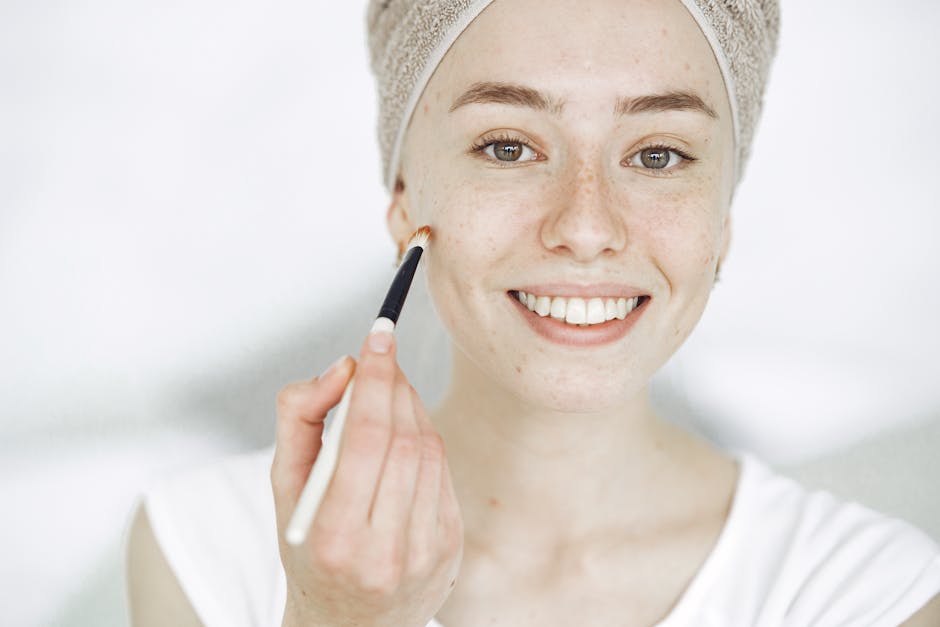
Many people avoid sunscreen because of past bad experiences. The white cast, the sticky feeling, the way it pills under makeup. These frustrations are common. Japanese sunscreens, however, have largely solved these issues through advanced formulation. They prioritize cosmetic elegance as much as UV protection. This means comfortable, wearable formulas are the standard.
Why do some sunscreens leave a white cast?
White cast primarily comes from mineral UV filters. Zinc oxide and titanium dioxide physically block UV rays by sitting on the skin’s surface and reflecting light. While effective, they can leave a ghostly white sheen, especially on darker skin tones. Japanese brands often use chemical UV filters, which absorb UV light rather than reflecting it. These filters are clear on the skin. When mineral filters are used, Japanese formulations often employ micro-encapsulation or nano-sized particles. This makes them less visible. The goal is complete transparency on the skin, regardless of skin tone. You won’t find a noticeable white cast with most popular Japanese sunscreens.
How to prevent a greasy or sticky finish?
The dreaded greasy feeling is a common complaint. Many traditional sunscreens leave a heavy, oily residue. Japanese sunscreens are formulated to be exceptionally lightweight. They often use volatile silicones or alcohol to create a quick-drying, smooth finish. These ingredients evaporate rapidly, leaving behind only the UV filters and a pleasant, often powdery or silky feel. Look for terms like “essence,” “gel,” or “milk” in the product name. These indicate lighter textures. If you find a sunscreen still feels a bit tacky, try applying it in thinner layers, allowing each to set for a minute before adding more.
Can I wear makeup effectively over Japanese sunscreens?
Absolutely. This is one of the standout features of Japanese sunscreens. Their lightweight, fast-absorbing textures make them ideal makeup primers. They create a smooth, non-tacky base that helps foundation glide on evenly and last longer. Unlike heavy sunscreens that can cause makeup to pill or slide, Japanese formulas often contain film-forming agents that ensure a seamless application. Many popular options, like Biore UV Aqua Rich Watery Essence or Allie Chrono Beauty Gel UV EX, are specifically lauded for their compatibility with makeup. Simply apply your sunscreen, let it fully absorb for a few minutes, then proceed with your makeup routine as usual.
The Innovation Advantage: Why Japan Leads in Sun Protection
Japan consistently sets the global standard for sunscreen technology. While other regions catch up, Japan pushes further. Their innovation isn’t just about higher SPF numbers. It’s about combining superior protection with an enjoyable user experience. They understand that the best sunscreen is the one you actually use. This commitment to cosmetic elegance and advanced science puts Japanese sunscreens in a league of their own.
Cutting-Edge UV Filters and Encapsulation
Japanese brands leverage some of the most advanced UV filters available. They often combine a mix of chemical and mineral filters (hybrid sunscreens) to achieve broad-spectrum protection without the drawbacks. Beyond the filters themselves, the delivery systems are critical. Many Japanese sunscreens use micro-encapsulation technology. This involves encasing UV filters in tiny capsules. These capsules keep the filters stable and prevent direct contact with the skin. This reduces potential irritation. It also ensures the filters are evenly distributed for superior protection. This sophisticated approach allows for high SPF and PA ratings in ultra-light textures.
Skincare-Infused Formulas
Japanese sunscreens often go beyond simple UV protection. They are formulated with a blend of skincare ingredients. This multi-functional approach means your sunscreen works harder for your skin. Common additions include hydrating agents like hyaluronic acid, soothing plant extracts, and brightening ingredients like vitamin C derivatives. Some even contain anti-pollution compounds. This integration means you’re not just protecting your skin from the sun; you’re also nourishing it. It simplifies your routine. It ensures your skin remains healthy, hydrated, and protected all day long. This commitment to holistic skin health is a hallmark of Japanese beauty innovation.