You’ve been through three tubes of lip balm this winter and your lips are still cracking. You reapply constantly. It feels like it’s working — briefly — and then the tightness is back within an hour. Sound familiar?
The frustrating truth: many popular lip balms are engineered to feel good immediately, not to fix the problem. Some actively make things worse. Here’s an honest breakdown of what’s actually happening, which products earn their shelf space, and when to stop blaming your lips for not cooperating.
Why Your Lip Balm Might Be Causing the Dryness
Before spending another dollar, understand the mechanics. Unlike the rest of your skin, lips have no sebaceous glands — they can’t produce their own oils. They’re covered by an unusually thin layer of skin with very little melanin, which makes them vulnerable to cold air, UV exposure, and dehydration all at once.
Most people reach for a lip balm, feel instant relief, and reapply when the sensation wears off. That reapplication cycle is a warning sign, not a routine.
The Menthol and Camphor Problem
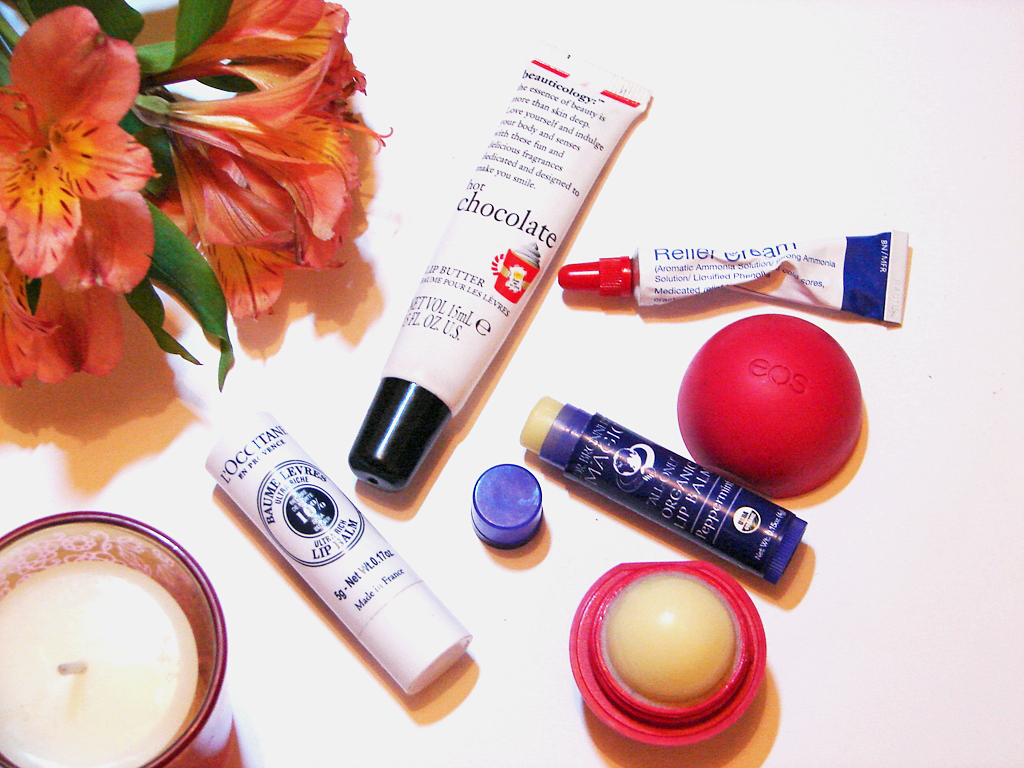
Check the ingredient list on your current lip balm. If you see menthol, camphor, eucalyptus, or phenol — you may be using a product that creates the dependency it’s supposed to solve. These ingredients trigger nerve receptors in the skin to produce a cooling or tingling sensation. They don’t moisturize. They don’t heal. Menthol also has mild irritant properties that, with repeated use, can quietly degrade the lip barrier over time.
This is why Burt’s Bees Beeswax Lip Balm ($4), one of the most-purchased lip balms in the world, is a poor choice for genuinely dry lips. The formula includes peppermint oil and phenol. You feel the tingle, your brain registers that something is happening, and you reapply three hours later. Meanwhile, your barrier is going nowhere.
Fragrance and Flavor: The Hidden Irritants
Flavored lip balms are the worst offender for chronic lip dryness. The issue isn’t only that you lick them off — though you do. Fragrance ingredients, including natural ones like cinnamon, citrus, and mint, are among the most common contact irritants in cosmetic products. They don’t always cause a visible reaction. At low concentrations, they just quietly inflame the skin barrier, keeping lips in a state of low-grade sensitization.
If your lips have been chapped for months, the first step isn’t buying a new product. It’s removing the flavored one you’re already using and waiting two weeks.
Waxes That Coat Without Healing
A lip product that’s 70% carnauba wax or beeswax forms a physical barrier. That’s not useless — occlusion slows moisture loss. But it won’t rebuild a damaged lip barrier. A formula that’s mostly wax, a touch of fragrance, and a listed vitamin E for label appeal is mostly aesthetics. Real barrier repair needs a combination of occlusives to seal, emollients to soften, and ideally barrier-rebuilding lipids. Wax-dominant products skip steps two and three entirely.
Active Ingredients: What Heals vs. What Just Sells
This is what dermatologists consistently point to — and what the ingredient research actually supports — when it comes to lip repair.
| Ingredient | Type | What It Does | Worth It? |
|---|---|---|---|
| Petrolatum | Occlusive | Seals skin barrier, reduces water loss by up to 98% | Yes — most studied barrier ingredient available |
| Lanolin | Occlusive + Emollient | Closely mimics skin lipids, deeply conditions | Yes — especially for severely dry lips (avoid if lanolin-sensitive) |
| Ceramides (1, 3, 6-II) | Barrier repair | Replenishes the structural lipid matrix of the skin barrier | Yes — mainly found in clinical-grade formulas |
| Hyaluronic acid | Humectant | Draws water into skin cells from surrounding environment | Conditional — works best in humid air or sealed with an occlusive |
| Shea butter | Emollient | Softens and smooths, high in oleic and stearic acid | Yes — solid supporting ingredient |
| Vitamin E (tocopherol) | Antioxidant | Mild skin conditioning, prevents oxidative damage | Marginal — overhyped but harmless |
| Menthol / Camphor | Sensory agent | Cooling sensation — zero moisturizing effect | No — avoid for dry or chapped lips |
| Fragrance / Flavor | Cosmetic only | Smell and taste appeal | No — common irritant, no barrier function whatsoever |
The most overhyped ingredient in lip care right now is hyaluronic acid. On paper it sounds correct — it attracts water, it’s in every hydrating serum. But lips are frequently exposed to dry air, and hyaluronic acid needs ambient moisture to pull from. In dry climates or heated indoor air, it can draw moisture out of the deeper skin layers if there’s no occlusive sealing it in. Use it under petrolatum. Don’t use it alone and expect miracles.
5 Lip Balms That Actually Deliver Results
These five products are worth keeping. Three are affordable enough to replace without a second thought. Two are premium. All are free of menthol and synthetic fragrance in their recommended variants.
1. Aquaphor Lip Repair — $8 for 10ml
The best starting point for most people. Aquaphor Lip Repair contains petrolatum, glycerin, chamomile essence, and vitamins C and E. No menthol. No fragrance. The occlusive-plus-humectant combination means it seals the barrier while drawing moisture in — two jobs instead of one. It’s not exciting. The texture is heavier than most. But for genuinely cracked, peeling lips, you’ll see a measurable difference within two to three days of consistent overnight use.
Bottom line: Best general-purpose pick. Buy this first before anything else on this list.
2. CeraVe Healing Ointment Lip Cream — $10 for 8ml
CeraVe added ceramides 1, 3, and 6-II to a petrolatum base, which is the right call for people whose lips stay chapped even after months of standard lip balm use. Ceramides are the structural lipids that make up healthy skin barrier — you lose them over time through environmental exposure, over-exfoliation, and aging. Getting them into a lip product is genuinely useful, not just marketing. The texture is clinical and heavy. Put it on overnight; it doesn’t work well as a daytime product under lip color.
Tip: Exfoliate before you treat. No lip balm works well on lips covered in dead, flaking skin. Mix a pinch of white sugar with a small drop of honey, apply to lips, rub gently for 30 seconds, then rinse. Do this once a week before your evening lip treatment. You’ll get noticeably faster results from any product you apply afterward.
3. Laneige Lip Sleeping Mask — $24 for 20ml
One of the most discussed lip products sold today, and the hype is mostly earned. The Laneige Lip Sleeping Mask combines shea butter, hyaluronic acid, and murumuru seed butter in a gel-like texture that stays put overnight without migrating. The vitamin C derivative in the formula helps with discoloration caused by chronic sun exposure on the lower lip. At $24, it costs three times more than Aquaphor and doesn’t do anything mechanically different — but the texture is significantly more comfortable to wear overnight, which matters if you’re building a consistent routine.
One important caveat: the berry and apple-lime scented variants contain added fragrance. If your lips are sensitized or reactive, get the original Vanilla flavor — and check the label, because the fragrance variants can aggravate exactly the problem you’re trying to fix.
Bottom line: A legitimate premium option. Not dramatically more effective than CeraVe at $10, but the texture compliance is real.
Tip: Apply to damp lips. Slightly dampen your lips before applying any occlusive balm. The product seals in that surface moisture rather than just sitting on dry skin. This single technique change improves results from petrolatum-based products more than most product upgrades would.
4. NUXE Rêve de Miel Ultra-Nourishing Lip Balm — $20 for 15ml
A French pharmacy staple that earns its reputation. The formula centers on honey, sweet almond oil, and grapefruit extract — all in fragrance-free functional form (there’s a faint natural honey scent but no synthetic fragrance added). It’s richer than Aquaphor and has a slightly more workable texture for daytime use. This is the right call for people who run dry not just on their lips but generally — if your hands, cuticles, and face are all fighting dryness simultaneously, the NUXE formula’s nourishing profile fits the pattern better than a straight petrolatum product.
5. Glossier Balm Dotcom — $14 for 15ml
Controversial because the earlier formula had significant fragrance content. The current unflavored Original version uses petroleum jelly, lanolin, and beeswax — a clean, effective combination at mid-range pricing. The lanolin content is what sets it apart from plain Vaseline. If lanolin works for your skin (and it does for most people), the added emolliency is noticeable. The flavored variants — cherry, rose, coconut — contain fragrance. Avoid those if your lips are easily irritated. The Original is the only version worth buying for dry lip repair.
Bottom line: Partially a brand tax, but the formula is solid and the lanolin addition is genuinely useful for daytime wear.
Tip: Sun protection on lips is not optional. The lower lip receives significant UV exposure and has a higher-than-average incidence of actinic damage. Most people ignore this entirely. Jack Black Intense Therapy Lip Balm SPF 25 ($10) combines shea butter, vitamin E, and green tea extract with real sun protection. If you’re outdoors regularly, it belongs in your rotation alongside a nighttime repair product.
The Budget Reality Check
A $5 tub of pure Vaseline — 100% white petrolatum — will outperform most lip balms under $15 for the specific job of barrier repair and water-loss prevention. Petrolatum is the most studied occlusive in dermatology. The only reason to spend more is texture preference or supporting ingredients like ceramides. This is not financial advice, but it is fairly obvious product math.
What Keeps Lips Dry Even When You Use Good Products
Products are only part of the equation. These are the habits and conditions that undermine even the best formulas.
- Lip licking. Saliva contains digestive enzymes that actively break down skin. Habitual lip licking is the single most common cause of chronic chapped lips in otherwise healthy people. The urge to lick decreases once underlying dryness improves — breaking the cycle requires getting the dryness under control first with consistent overnight treatment.
- Mouth breathing during sleep. If you wake up with cracked lips despite overnight balm application, mouth breathing is likely the cause. No product compensates for a direct airstream across your lips for eight hours. Nasal strips, addressing congestion, or a humidifier in the bedroom helps more than switching products.
- Retinoid placement. If you use tretinoin or over-the-counter retinol on your face and apply it near your lip line, it will migrate. Retinoids increase cell turnover dramatically in thin-skinned areas. Apply at least 5mm away from the lip border, or apply your lip balm first as a barrier before your retinoid.
- Medication side effects. Isotretinoin (Accutane), antihistamines, diuretics, and several antidepressants all list dry lips as a documented side effect. If your lips dried out suddenly after starting a new medication, that’s the first variable to investigate — not your product lineup.
- Indoor heating and low humidity. Forced-air heating drops indoor humidity to 10–20% in winter. At that level, even healthy lips lose moisture faster than any lip balm can compensate for during the day. A bedroom humidifier running at 40–50% relative humidity does more for overnight lip repair than doubling your product spend.
When Dry Lips Signal Something Beyond Dehydration
Could it be angular cheilitis?
Angular cheilitis causes cracking specifically at the corners of the mouth, sometimes with redness, tenderness, or slight oozing. It looks exactly like severe chapped lips — but it isn’t. It’s typically a fungal or bacterial infection. Petrolatum won’t fix it. Neither will any lip balm on this list. The standard treatment is a short course of antifungal or antibiotic cream, prescribed after a brief dermatologist or GP visit. If the corners of your lips have been cracked for more than two weeks and nothing topical is improving the situation, stop buying products and see a doctor.
Is contact allergy a possibility?
Lip balm contact dermatitis is more common than most people realize. The signs are persistent scaling and inflammation that don’t improve with any product — and may actually worsen after application. Patch testing by a dermatologist identifies the specific allergen, most commonly lanolin, fragrance compounds, or specific preservatives. The fix isn’t a gentler lip balm. It’s identifying and eliminating the specific trigger, which you can’t do by cycling through products at the drugstore.
What about nutritional deficiencies?
Persistently cracked lips can indicate deficiencies in B vitamins — particularly B2, B3, and B12 — as well as iron or zinc. This pattern is more common in people following highly restricted diets or with underlying absorption issues. If your lips are chronically cracked and your skin, tongue, or nails are also showing changes, a blood panel is the smarter next step than another tube of lip balm.
The best lip balm available cannot correct a nutritional deficiency or treat an active infection. Start with the product that matches the problem — and if three weeks of consistent use with a solid formula produces no improvement, the problem isn’t the product you chose.