Why Most False Lash Applications Fall Apart Before They Even Start
Picture this: you’ve spent $12 on a set of Ardell Double Up 203 lashes. You watched two tutorials. You have the glue. You’re 40 minutes into getting ready, and you’re standing at your mirror with one lash dangling off your lid while the other eye looks completely done. The adhesive dried in the wrong spot. The outer corner is lifting. You’re late.
The usual advice at this point is “use tweezers.” Sometimes that’s correct. But tweezers are a tool that solves a specific problem — not a universal fix for bad application technique. Knowing when they help versus when they make things worse is the actual skill.
Most false lash failures trace back to one of four sources: wrong glue viscosity for the lash style being used, applying before the adhesive reaches the tacky stage, the wrong mirror angle during placement, or mismatched tool and lash type. Tweezers only address one of those. Understanding which one — that’s where this gets useful.
The tweezer debate gets framed as a beginner-versus-pro split, which is misleading. Plenty of experienced makeup artists apply strip lashes with their fingers by choice. The real question is what your specific situation demands: lash type, hand steadiness, glue timing, and how many times you’ve done this before.
Tweezers vs. Fingers vs. Lash Applicators: Direct Comparison
Three tools exist for this job. Each has real advantages and real failure conditions. Here’s the actual breakdown:
| Tool | Best Use Case | Main Risk | Precision | Learning Curve |
|---|---|---|---|---|
| Curved lash tweezers | Strip lashes, experienced users | Slipping; eye injury if hands shake | High | Steep |
| Straight fine-point tweezers | Individual clusters, lash artists | Crimping band; distorting placement | Very high | Very steep |
| Fingertips | Strip lashes, beginners and everyday use | Less precise positioning; glue smear risk | Medium | Low |
| Lash applicator tool | Beginners; anyone nervous about tweezers near the eye | Reduced tactile feedback; bulky grip | Medium | Low to medium |
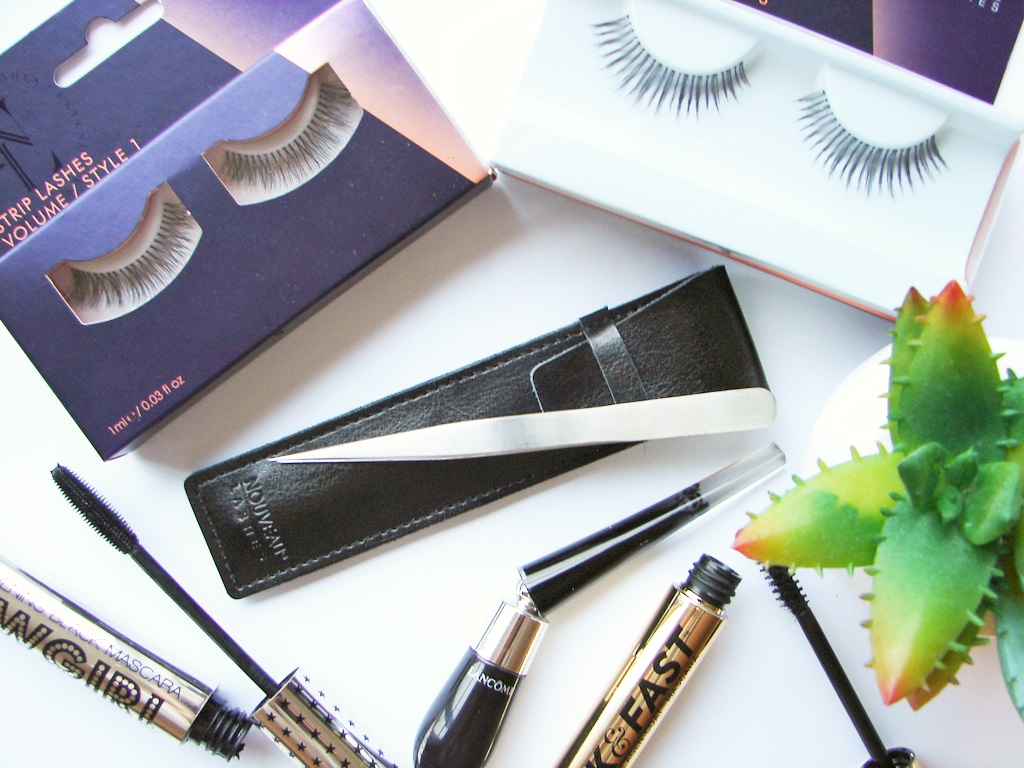
The House of Lashes Professional Tweezer ($18) and the Tweezerman Slant Tweezer ($28) are both solid if you go the tweezers route. For applicator tools, the Ardell Lash Applicator ($6) handles most strip lashes without drama. For clusters, the Kiss Precision Applicator ($8) gives you better control over exact placement without tweezers near the waterline.
One thing the table doesn’t capture: tremor amplification. Tweezers magnify hand shake. Fingertips absorb it. If you’re applying lashes in a rush, anxious, or still in your first dozen attempts, that physical reality alone should shape your tool choice more than any tutorial recommendation.
How to Use Tweezers for Strip Lashes Without Hurting Yourself
Tweezers work — but only if you use the right type and follow the technique precisely. The failure rate with tweezers isn’t because tweezers are bad. It’s because most people grab the wrong pair and skip the critical steps.
Choose the Right Tweezers First
Get curved lash tweezers, not straight eyebrow tweezers. The curve follows your lash line’s natural arc, which means you can press the band down evenly without the tip angling toward your eye. The Velour Lashes Pro Tweezers set (around $22) includes both a curved and straight option and is built specifically for false lash work, not hair removal.
Regular slant-grip eyebrow tweezers are engineered to pull, not place. The grip angle is designed for a completely different motion. You’ll spend more energy fighting the tool than placing the lash, and the band will shift every time you adjust your grip. Skip them entirely for this job.
Apply Glue Correctly — This Step Matters More Than the Tool
Thin line of adhesive on the lash band. The Duo Brush-On Striplash Adhesive in Clear ($9) is the right choice here — the brush tip means you apply exactly the right amount with no dragging or globbing along the band. Run it along the full band including the inner and outer corners, since those are the first points to lift.
Then wait. Minimum 30 seconds, up to 45 seconds in humid conditions. The glue needs to transition from wet to tacky — slightly translucent, sticky when you touch it lightly with your fingertip, but no longer fluid. If it still looks white and pulls a string when you touch it, too early. If nothing sticks to your finger at all, it dried out and needs a fresh line. That optimal window runs about 20-30 seconds wide for most strip lash adhesives.
Placement Order and Pressure
Place a mirror flat on a surface below eye level and look down into it. This gives you a clear view of your lash line that an eye-level mirror can’t — the lash itself blocks the line when you look straight ahead.
Pick up the lash at the band’s center with your curved tweezers. Place the center of the band on the center of your lash line first. Not the inner corner, not the outer. The center anchor locks the position. Then press the outer corner down with the tweezers and hold for a full 20 seconds. Then the inner corner. Then run the flat side of the curved tip along the full band.
The outer corner lift that derails most applications happens because people hold for 3-4 seconds and move on. The glue needs contact time to bond properly. If the outer corner still lifts after drying, add one small dot of fresh adhesive specifically to that spot using the brush tip, wait 20 seconds, then press again. Don’t try to reposition the entire lash — you’ll disturb the sections that already bonded correctly.
Tweezers earn their advantage here specifically because you can apply firm, precise pressure to a 2-3mm section of band without touching the lash fibers. That level of specificity matters when you’re targeting a stubborn corner without displacing everything else.
When Fingers Are the Better Call
First five attempts at lashes? Put the tweezers down. A flexible cotton-band lash like the Ardell Wispies 113 or the Eylure Naturals No. 031 conforms to your lid naturally, and your fingertips give you more real-time tactile feedback about how the band is sitting than any tool provides. Learning tweezers and lash application simultaneously is two learning curves stacked — a bad trade when you’re already rushing.
The Glue Timing Problem Nobody Addresses Directly
Does the adhesive brand actually matter?
Yes. Significantly. The Duo Brush-On Striplash Adhesive gives you the longest working window before it over-sets — useful when you’re learning with tweezers and need repositioning time. The Lashify Bond ($24) is formulated for their Gossamer cluster system specifically and sets faster. Using a fast-tack glue while you’re still figuring out tweezers is a mistake. You’ll run out of placement time before your grip is even stable.
What does “tacky” actually feel like?
Touch the glue lightly with your fingertip. It should feel like tape that’s been on your skin for about a minute — resistant when you pull your finger away, but dry enough that it doesn’t pull a liquid string with it. Wet means too early. No stick at all means too late. The timing window is consistent across most strip lash adhesives once you know what to feel for.
Glue on the lash band or the eyelid directly?
Always on the lash band. Applying adhesive directly to your eyelid before placing the lash sounds logical but destroys placement control. The lash slides across wet glue on the skin, and you can’t see exactly where the band is landing until it’s already bonded in the wrong position. Band first, every time.
Six False Lash Mistakes That Ruin Application Regardless of Tool
- Not trimming to fit your eye. False lashes are manufactured for wider eyes than most people have. Measure the lash against your eye before applying and trim from the outer edge in small increments — a millimeter at a time. A band that extends past your natural outer corner will lift constantly and irritate the corner of your eye all night.
- Skipping the pre-bend. Before applying, wrap the lash around your finger or a lipstick tube for 30 seconds. This breaks the band’s manufactured curve so it conforms to your eye’s natural shape instead of springing away from it. Non-negotiable for any stiff or thick band lash.
- Applying over freshly coated lashes. Fresh mascara creates a slick surface that adhesive won’t grip properly. Apply false lashes to bare or dried lashes, then apply mascara after the falsies are set. This also helps blend the natural and false lashes together seamlessly.
- Working at eye level in a mirror. Looking straight ahead into an eye-level mirror blocks your view of your own lash line — the lash being placed gets in the way of seeing where the band actually sits. Set a mirror flat on a counter and look straight down at it. Your lash line will be fully visible.
- Yanking lashes off without dissolving the glue first. One aggressive pull can take 10-20 natural lashes with it. Use the Ardell LashFree Remover ($7) or a bi-phase makeup remover. Saturate the band, wait 20 seconds, then slide the lash gently toward the outer corner. It should release without resistance.
- Skipping the post-wear cleanup. Lashes returned to the tray with dried glue on the band get stiff and lose their shape, which makes every subsequent application harder. After each wear, peel dried glue off the band with tweezers, clean with an oil-free remover, and store them in the original tray. Properly maintained lashes last 15-20 wears.
Match Your Tool to Your Lash Type
The direct answer: start with your fingers for strip lashes, graduate to curved tweezers once your glue timing is second nature. Don’t fight two learning curves simultaneously.
For cluster or individual lash systems — Kiss Falscara clusters, Lashify Gossamer lashes, or any individually-applied format — tweezers or a dedicated cluster applicator are required. You physically cannot place a 4mm cluster with a fingertip and maintain meaningful accuracy. The format demands a tool.
- Beginners with strip lashes: Fingertips + Ardell Wispies 113 + Duo Brush-On Adhesive. Lowest complexity, most forgiveness for timing and positioning errors.
- Intermediate with strip lashes: Curved lash tweezers from House of Lashes or Velour Pro set, once glue timing is consistent and instinctive.
- Cluster or individual lashes: Fine-point tweezers or Kiss Precision Applicator. No real alternative for this format.
- Hands that shake: Fingers, always. Tweezers amplify hand tremor, and a pointed tip one centimeter from your cornea isn’t worth the precision gain under those conditions.
- For speed once experienced: Tweezers are actually faster than fingers once the technique clicks — precise grip at the band center means less repositioning and fewer second attempts.
- Budget training-wheel option: The Ardell Lash Applicator ($6) sits between fingers and tweezers in precision. Worth having if you want to build confidence before committing to tweezers near your eye.