You grab a bottle labeled SPF 50 and assume you’re set. But that number only tells half the story. The other half — UVA protection — is why your skin still tans through some sunscreens or why dark spots appear even when you never burn. Here’s exactly how to read those ratings so you never waste money on the wrong tube again.
SPF Only Measures UVB — Here’s What That Number Actually Buys You
SPF stands for Sun Protection Factor, and it strictly measures protection against UVB rays — the ones that cause sunburn and direct DNA damage. It does not measure UVA protection at all.
The math is straightforward. SPF 15 blocks ~93% of UVB rays. SPF 30 blocks ~97%. SPF 50 blocks ~98%. SPF 100 blocks ~99%.
That jump from SPF 30 to SPF 50 sounds small — only 1% more — but it matters for real-world use. Nobody applies sunscreen perfectly. Most people miss spots, apply too thin, or forget to reapply. That extra 1% buffer means the difference between a red shoulder at hour three and a non-event.
Why SPF 50+ Is Worth It Even With Diminishing Returns
Lab tests apply sunscreen at 2mg per cm² — the standard thickness. Real people apply about half that. When you under-apply SPF 30, your protection drops to roughly SPF 15. Under-apply SPF 50, and you still get ~SPF 25. That buffer is the practical reason dermatologists recommend SPF 50+ as your daily minimum.
Tested example: La Roche-Posay Anthelios UVMune 400 SPF50+ (around $20 for 50ml) consistently holds up better under real-world application than any SPF 30 formula. The UVA filter tech in that specific line is also among the best available.
UVA Protection: The PA Rating System and Why You Need More Than +
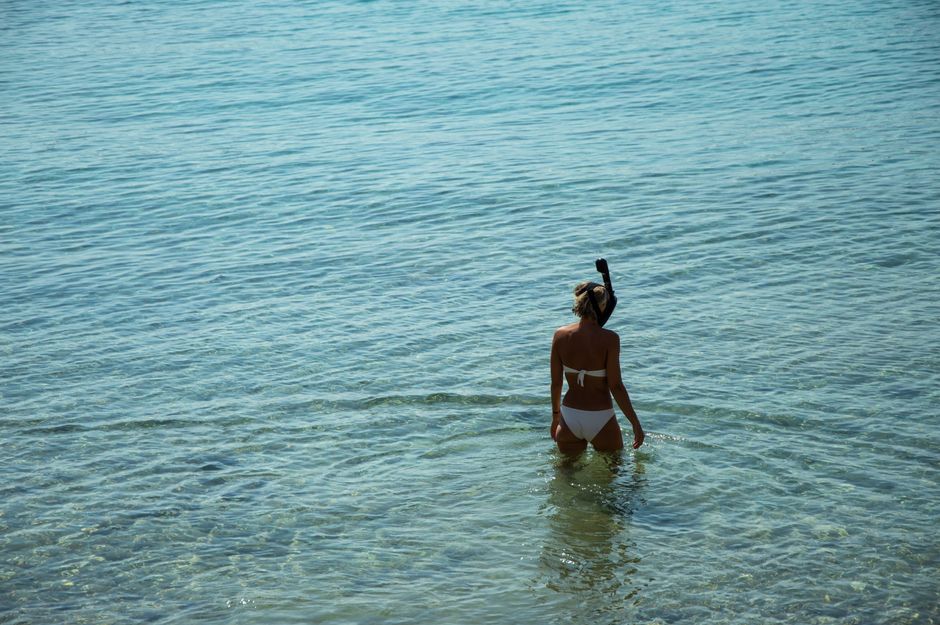
UVA rays penetrate deeper into the skin. They cause premature aging, collagen breakdown, and hyperpigmentation. They don’t cause immediate redness, so you don’t feel the damage until years later.
Most American sunscreens only list “broad spectrum” — which is a weak standard. It just means the product provides some UVA protection proportional to its SPF. That’s not enough.
The Japanese PA system (Protection Grade of UVA) is clearer:
| Rating | UVA Protection Level | PPD Equivalent |
|---|---|---|
| PA+ | Some protection | PPD 2–4 |
| PA++ | Moderate protection | PPD 4–8 |
| PA+++ | High protection | PPD 8–16 |
| PA++++ | Extremely high protection | PPD 16+ |
PPD stands for Persistent Pigment Darkening — it’s the actual lab measurement. PA++++ means the product blocks at least 16 times the amount of UVA needed to cause tanning. That’s the gold standard.
If you see PA++++ on the bottle, you’re getting serious UVA protection. If you only see “broad spectrum,” you’re gambling.
Korean and Japanese sunscreens are ahead of the US market here. Beauty of Joseon Relief Sun SPF50+ PA++++ ($12 for 50ml) and Anessa Perfect UV Sunscreen Skincare Milk SPF50+ PA++++ ($25 for 60ml) both deliver verified PA++++ ratings with modern filters that don’t leave a white cast.
Three Sunscreen Myths That Lead to Sun Damage
These mistakes show up in every skincare forum. Avoid them.
Myth 1: SPF in makeup is enough
Your foundation with SPF 15 covers maybe 10% of the surface area you think it does. You’d need seven times the normal amount of makeup to get the labeled SPF. Foundation SPF is a bonus, not a primary shield.
Myth 2: Waterproof means you don’t reapply
No sunscreen is truly waterproof. Water-resistant means it holds up for 40 or 80 minutes of swimming or sweating. After that, it’s gone. Set a timer on your phone. Every 2 hours of clock time or 80 minutes of water exposure — reapply.
Myth 3: Higher SPF means you can stay out longer
SPF 50 does not mean 50 minutes of safety. It means 50 times the amount of UV exposure needed to burn you — but that calculation assumes perfect, even application and zero sweating or rubbing. In practice, SPF 50 buys you about 2.5 hours of reliable protection before you need to reapply. Same as SPF 30. The difference is the margin of error during those hours.
How to Pick the Right Sunscreen for Your Skin Type and Lifestyle
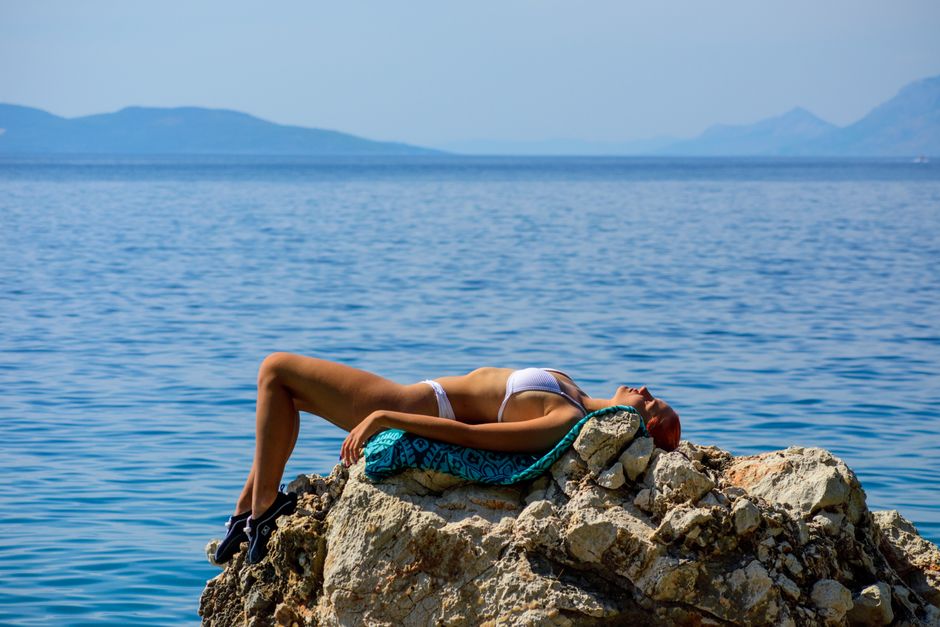
One sunscreen does not fit everyone. Here’s the breakdown by scenario.
Daily office wear: You need something lightweight that sits under makeup. Look for a chemical sunscreen with PA++++ and SPF 50. Supergoop Unseen Sunscreen SPF 40 PA+++ ($38 for 50ml) works well here — it’s invisible and works as a primer. But its PA rating is only +++, so for higher UVA protection, consider Isntree Hyaluronic Acid Watery Sun Gel SPF50+ PA++++ ($16 for 50ml). It’s lighter, hydrating, and doesn’t pill.
Beach or outdoor sports: You need water resistance and robust filters. La Roche-Posay Anthelios Melt-In Milk SPF 60 ($20 for 89ml) is water-resistant for 80 minutes and uses the Mexoryl 400 filters that cover long UVA wavelengths most sunscreens miss. Apply it thick — one full shot glass amount for your whole body.
Sensitive or acne-prone skin: Mineral sunscreens with zinc oxide or titanium dioxide are less likely to irritate. The downside is the white cast. Dr. Jart+ Every Sun Day Mineral Sunscreen SPF 50+ PA++++ ($39 for 50ml) uses micronized zinc that blends better than most, but it still leaves a slight sheen on darker skin tones. For deeper skin, Beauty of Joseon’s Relief Sun is a better fit — it’s chemical but uses modern filters that don’t sting or leave residue.
When NOT to buy a spray sunscreen: Aerosol sprays are convenient for reapplication over makeup, but you rarely get even coverage. You miss spots. You inhale particles. If you use a spray, spray into your hands first and then apply. Or stick with lotions for your primary application. Sprays are for touch-ups only.
The One Number That Matters More Than SPF
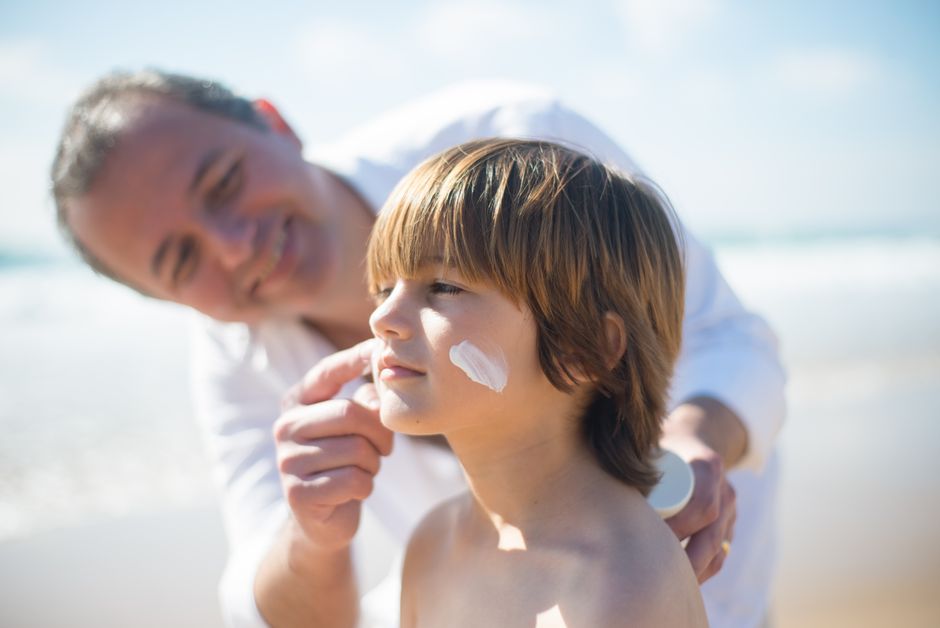
Here’s the verdict that cuts through the noise.
SPF 50+ with PA++++ is the baseline for anyone serious about preventing both sunburn and aging. Brands that clearly label PA++++ on the bottle are usually the ones investing in the best filters. If a brand only prints “broad spectrum” and hides its UVA rating, assume the protection is mediocre.
Your best daily pick right now: Beauty of Joseon Relief Sun SPF50+ PA++++. It’s $12, it doesn’t sting your eyes, it layers under makeup without pilling, and the PA++++ rating is independently verified. For outdoor days: La Roche-Posay Anthelios UVMune 400 SPF50+. That Mexoryl 400 filter is the only one on the market that protects against the longest UVA rays (up to 400nm), which is where a lot of pigmentation damage comes from.
You don’t need a cabinet full of sunscreens. You need one that you’ll actually wear every single morning — and that has the ratings to back it up. Check the PA rating before you check the SPF. That’s the real shortcut.