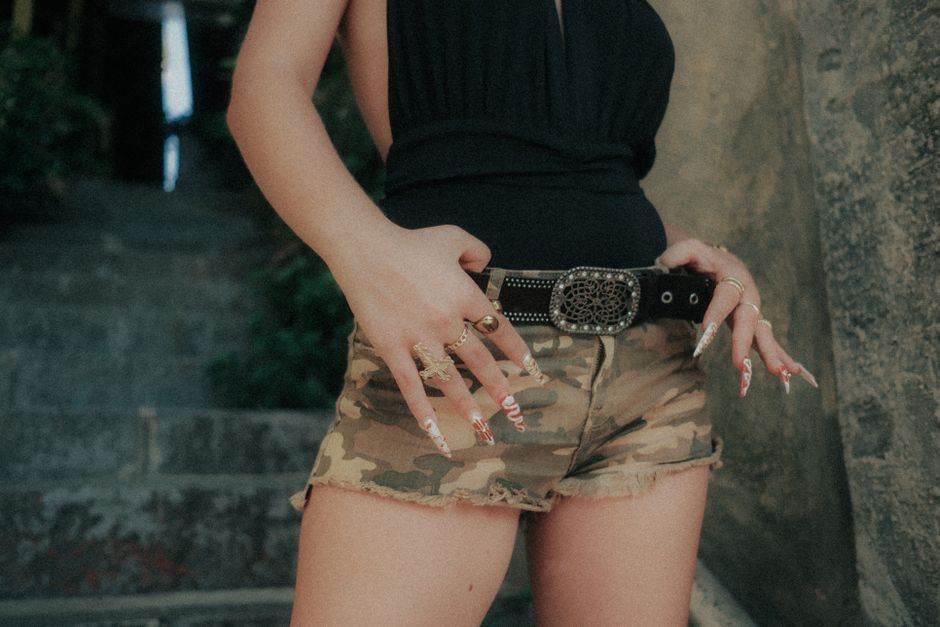
Most people think you need a steady hand and years of practice to paint straight lines on nails. That is wrong. The real problem is using the wrong tool for the job. A standard nail polish brush is too thick and floppy to create clean lines. Once you swap to the right tool — a thin striping brush, tape, or even a bobby pin — you can pull off designs that look like they came from a salon.
This guide covers seven line-based nail art techniques. Each one targets a different skill level and look. I will name exact tools, show you the common mistakes that ruin the design, and tell you which technique works best for short nails, long nails, and everything in between.
Thin Striping Brush: The Best Tool for Clean Lines Every Time
A thin striping brush is a long, narrow brush with fine bristles. It costs about $3 to $8 on Amazon or at beauty supply stores like Sally Beauty. The brush holds just enough polish to draw a continuous line without dragging or skipping.
The key is loading the brush correctly. Dip only the tip into the polish. Wipe one side against the bottle rim. You want a thin, even coating — not a blob. Test the line on a piece of paper first. If the line is too thick, you have too much polish on the brush.
How to paint a straight vertical line
Rest your painting hand against your other hand or a table edge for stability. Start at the cuticle. Pull the brush in one smooth motion toward the tip. Do not lift the brush mid-line. If you stop, you will get a bump. One continuous pull gives you a crisp line.
Common mistake: pressing too hard
Pressing down flattens the bristles and widens the line. Light pressure keeps the bristles tight and the line thin. If you want a thicker line, use a wider brush — do not press harder.
Best for: French tips with a colored stripe, minimalist single-line designs, and accent nails. Works on any nail length.
Striping Tape: Perfect Lines Without a Steady Hand

Striping tape is thin adhesive tape sold in rolls. You stick it onto dry base color, paint over it, and peel it off. The result is a perfectly straight line with zero freehand skill required.
Two things ruin this technique:
- Peeling the tape while the top polish is still wet. The polish smears into the gap.
- Leaving the tape on too long. The adhesive leaves residue.
Wait until the top color is completely dry — about 5 to 10 minutes depending on the polish. Peel the tape at a 45-degree angle, pulling away from the line. This prevents the polish from lifting.
Which tape to buy
Do not use regular Scotch tape. It is too wide and leaves sticky glue. Buy nail striping tape from brands like KADS or Twinkle. A pack of 10 rolls costs about $6 and lasts for months. The tape is 2mm wide — ideal for thin lines.
Best for: Geometric patterns, parallel lines, and color blocking. Especially useful for beginners.
Dotting Tool Lines: How to Create Dotted Stripes
A dotting tool is a metal stick with a small ball on the end. You dip it in polish and press it onto the nail to create dots. To make a dotted line, you place dots in a row, spacing them evenly.
The trick is consistent pressure. Press too hard and the dot spreads into a blob. Press too lightly and the dot is too small. Practice on a piece of paper until every dot is the same size.
Spacing your dots
Start at the cuticle. Place the first dot. Move the tool down by one dot-width. Place the next dot. Continue until you reach the tip. For a curved line, follow the natural curve of your nail bed.
Dotting tools come in different sizes. A 1.5mm ball creates small, delicate dots. A 3mm ball creates bolder dots. For a fine dotted line, use the smaller size. Brands like Beetles and Makartt sell sets with 5 different ball sizes for under $10.
Best for: Boho designs, gradient effects, and adding texture to solid colors.
Nail Stickers and Decals: Instant Lines in 30 Seconds
Nail stickers with line patterns are the fastest way to get clean lines. You peel, stick, and seal with a top coat. No painting, no drying time between layers, no cleanup.
But most people apply them wrong. They stick the decal onto the nail and push it down with a finger. That traps air bubbles. Instead, use tweezers to place the decal. Start at one edge and press it down slowly with a cuticle pusher or orange stick. Work from the center outward to push out air.
Choosing the right decals
Look for water-transfer decals, not sticker sheets. Water-transfer decals conform to the curve of your nail. Sticker sheets are stiff and lift at the edges after a day. Brands like Dashing Diva and Lilly & Fox make water-transfer decals with thin line patterns. A pack costs about $8 and covers 10 to 15 manicures.
Best for: Quick manicures, people with shaky hands, and complex patterns like chevron or herringbone lines.
Negative Space Lines: Modern and Minimalist
Negative space nail art leaves parts of the nail bare. Line-based negative space designs use thin unpainted stripes running through a colored base. The bare nail shows through as the line.
This technique requires patience. You paint your base color, apply striping tape over the areas you want to remain bare, paint a second color over everything, then peel the tape. The bare nail becomes the line.
The order matters
Step 1: Apply a clear base coat. Let it dry.
Step 2: Paint the entire nail with your background color. Let it dry completely.
Step 3: Place striping tape where you want the bare lines.
Step 4: Paint a second color over the whole nail.
Step 5: Peel the tape immediately — while the second color is still wet.
Step 6: Seal with a top coat.
If you peel the tape after the second color dries, the edges will be ragged. Wet removal is critical.
Best for: Modern, editorial looks. Works beautifully with matte top coats.
Comparison: Which Line Technique Should You Use?
| Technique | Skill Level | Time per Nail | Cost of Tools | Best For |
|---|---|---|---|---|
| Thin striping brush | Intermediate | 2 minutes | $3–$8 | Vertical stripes, French tips |
| Striping tape | Beginner | 3 minutes | $6 (10 rolls) | Geometric patterns |
| Dotting tool lines | Beginner | 4 minutes | $8–$12 (set) | Dotted stripes, boho designs |
| Nail stickers/decals | Beginner | 30 seconds | $8 (per pack) | Quick manicures |
| Negative space | Intermediate | 5 minutes | $6 (tape only) | Minimalist, modern |
For a beginner with no tools, start with striping tape. It costs the least and requires zero freehand skill. For someone who wants precise control, invest in a thin striping brush from Winstonia or Bundle Monster — both make brushes under $5 that last for years with proper cleaning.
Three Mistakes That Ruin Line Nail Art (and How to Fix Them)
Mistake 1: Skipping the base coat. Base coat creates a smooth surface. Without it, polish soaks into the nail plate unevenly, causing lines to bleed at the edges. Use a ridge-filling base coat like OPI Natural Nail Base Coat ($11) or Essie Here to Stay ($10).
Mistake 2: Not letting each layer dry. If you paint a second color over a wet base, the colors mix and the line blurs. Wait 2 minutes between coats. Touch the nail lightly with your finger — if it feels tacky, wait another minute. A quick-dry top coat like Seche Vite ($9) speeds up the whole process.
Mistake 3: Using old, thick polish. Thick polish creates gloppy lines that spread. Thin it with a few drops of nail polish thinner — not acetone. Acetone breaks down the polish formula. OPI Nail Lacquer Thinner ($8) works on most brands. If your polish is more than 18 months old, replace it.
The one tool everyone should own: A cleanup brush. Dip a small angled brush in acetone and run it along the edges of your lines to clean up mistakes. This single step turns messy lines into salon-quality work.
Which Line Design Should You Try First?
If you have never done line nail art, start with the single vertical stripe using striping tape. It takes 10 minutes total. Paint your nails a solid color. Let them dry. Cut a small piece of tape and stick it down the center of each nail. Paint a contrasting color over the tape. Peel immediately. Seal with top coat.
That one design teaches you the core skills: waiting for layers to dry, applying tape without bubbles, and peeling at the right angle. Once you master that, move to parallel lines, then chevron patterns, then negative space.
For short nails: Stick to vertical lines. They make nails look longer. Avoid horizontal lines — they shorten the appearance of the nail bed.
For long nails: Diagonal and chevron lines work best. They follow the natural shape of an almond or coffin nail and draw attention to the length.
The best line nail art is the one you actually finish. Start simple. Use the right tools. Let each layer dry. Your lines will look professional by the third attempt.