
Why Clean Makeup Tools Matter
The right cleaning routine removes makeup, skin oil, sunscreen, dead skin, and bacteria from the tools that touch your face. Wash makeup brushes at least once a week, clean liquid-makeup sponges after every use, and replace any tool that stays smelly, cracked, or stained after washing.
This is not legal advice — consult a licensed attorney. No state laws are discussed here; this page provides general cosmetic-tool hygiene information, not legal guidance.
What builds up inside a used brush or sponge
Foundation and concealer leave behind more than visible color. Cream products can coat the fibers or foam with oil and wax, while powder products trap skin flakes and sebum. A damp sponge adds another problem: its porous interior can stay wet for hours. Warmth, moisture, and leftover makeup create a poor storage environment for a tool that repeatedly touches the nose, cheeks, eyes, and lips.
Dirty tools can also change how makeup applies. A foundation brush with stiff residue drags across the skin instead of laying down an even layer. A sponge loaded with old product absorbs fresh foundation before it reaches the face. Cleaning is not only about appearance. It protects the tool’s performance and prevents old makeup from mixing with the next application.
How often should each tool be washed?
Use this schedule as a firm starting point. People with acne-prone, very sensitive, or easily irritated skin should use the shorter interval. Anyone sharing tools should clean them between users and use separate tools for the eyes and lips.
| Tool | Cleaning interval | Reason |
|---|---|---|
| Liquid or cream makeup sponge | After every use | Porous foam holds moisture and complexion product |
| Foundation or concealer brush | Every 3 to 7 uses | Liquid formulas leave an oily coating |
| Powder brush | Every 7 to 14 uses | Dry powder builds up more slowly |
| Eye makeup brush | Every 3 to 7 uses | Fine fibers contact the eyelids and lash line |
| Lip brush | After every use | Lip products contain waxes and transfer easily |
How to Wash Brushes and Sponges Without Damage
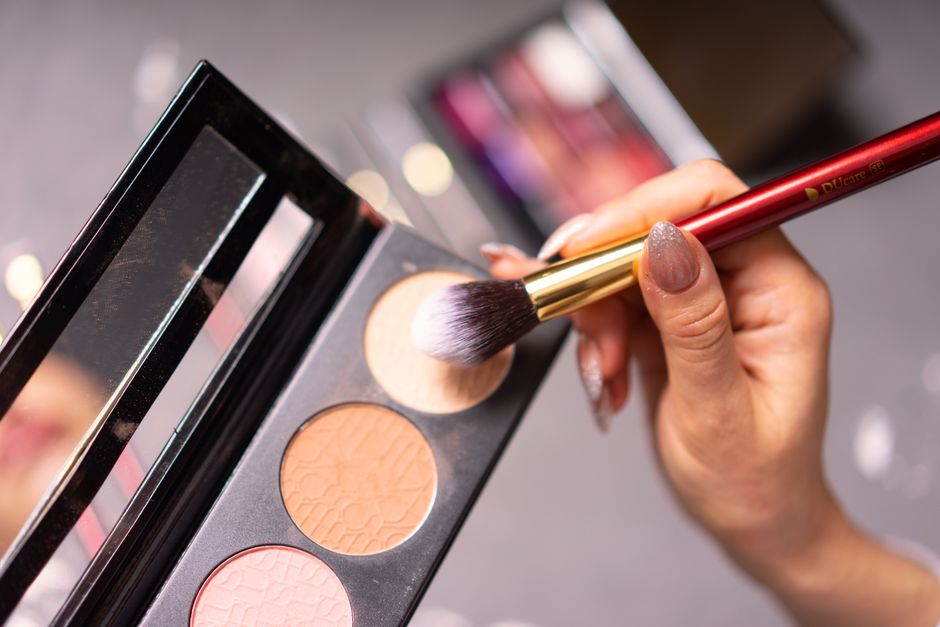
Use lukewarm water, a mild cleanser, and gentle pressure. The goal is to dissolve makeup while keeping water away from the glue and metal parts that hold a brush together.
Brush cleaning steps
- Run the bristles under lukewarm water with the brush pointed downward. Do not soak the handle or ferrule.
- Place a small amount of mild brush cleanser or gentle shampoo in your palm.
- Swirl the bristles through the cleanser for 20 to 30 seconds. Work from the outer edge toward the center without crushing the shape.
- Rinse until the water runs clear. If foundation still comes out, repeat the wash instead of scrubbing harder.
- Press the bristles in a clean towel, reshape them, and lay the brush flat with the head extending slightly over the edge of a counter.
Never dry a wet brush standing upright. Water can run into the ferrule, soften the adhesive, and make the bristles shed. Most face brushes need several hours to dry; dense foundation brushes may need overnight.
Sponge cleaning steps
- Wet the sponge completely with lukewarm water so the foam expands.
- Apply cleanser to the sponge and squeeze it repeatedly. Do not twist, pinch with fingernails, or pull the foam apart.
- Press the stained areas against your palm while rinsing. Rotate the sponge so the cleanser reaches the center.
- Continue until the water runs mostly clear and the sponge feels free of slippery residue.
- Squeeze out water with a clean towel, then place the sponge in an open, well-ventilated area until completely dry.
A closed makeup bag is storage, not a drying rack. Putting a damp sponge in a pouch, drawer, or sealed container encourages lingering moisture and odor.
Which Brush and Sponge Cleaners Are Worth Buying?
You do not need an expensive cleanser for every tool. A mild soap can handle routine washing, but dedicated formulas can save time when a brush is packed with long-wear foundation or a sponge has absorbed cream makeup. Buy the cleaner that solves your actual problem, not the one with the most elaborate packaging.
Quick comparison of useful cleaning products
| Product | Listed US price | Best use | Clear verdict |
|---|---|---|---|
| Beautyblender Blendercleanser Liquid, 3 oz | $15 | Reusable sponges and mixed brush collections | Best dedicated all-rounder for people who clean a sponge daily |
| Beautyblender Tool Scrub, 5 oz | $20 | Brushes with dried cream or powder residue | Best for a deeper manual scrub |
| Sigma Spa Express Brush Cleaning Mat | $38 | People washing many brushes at once | Best time-saver, but unnecessary for a small collection |
| Sigma Sigmagic Brushampoo Liquid | $24 | Frequent brush washing | Best premium brush-focused option |
| Beautyblender Original Makeup Sponge | $20 | Replacement for a worn or stained sponge | Best known reusable sponge, but it still needs cleaning after use |
The prices above are the listed US prices found on official brand pages in November 2026 and may change. Check the official Beautyblender collection or official Sigma brush-care collection before buying.
My buying verdict
For one or two reusable sponges, Beautyblender Blendercleanser Liquid is the strongest practical pick because it is made for both sponges and brushes and comes in a manageable 3-ounce size. For a large brush collection, Sigma Sigmagic Brushampoo Liquid is the better buy because a brush-focused liquid cleanser fits frequent washing. The Sigma Spa Express Brush Cleaning Mat earns its $38 price only when you wash several brushes regularly; for five brushes or fewer, your palm works just as well.
The Cleaning Mistakes That Ruin Makeup Tools
My strongest recommendation is simple: stop trying to rescue a tool that cannot become clean. A cracked sponge or shedding brush is not a bargain. It is a weak surface for makeup and a poor hygiene choice.
Common mistakes to avoid
- Using hot water: High heat can soften brush adhesive and warp synthetic foam.
- Soaking the ferrule: Water trapped near the handle can loosen the glue.
- Using rubbing alcohol as the main wash: Alcohol can dry fibers and damage some foams. It also does not remove every oily makeup residue.
- Scrubbing with a rough household brush: Hard bristles can split soft cosmetic fibers.
- Putting a damp sponge in a sealed case: Airflow matters more than a decorative storage box.
- Sharing eye or lip tools without cleaning them first: These areas need stricter hygiene than a dry powder brush.
- Washing too aggressively: Repeated twisting and pulling shortens the life of a brush or sponge.
When to replace instead of wash
Replace a sponge when it develops tears, a sour odor that returns after drying, hard spots, or deep cracks. A daily-use sponge may need replacement every one to three months, depending on its condition. Replace a brush when bristles keep shedding, the head feels loose, or the fibers stay greasy after two complete washes.
Do not buy a cleaning gadget to compensate for a damaged tool. A $38 cleaning mat cannot repair broken glue, and a $20 replacement sponge is a better choice than repeatedly applying makeup with foam that will not rinse clean.
Questions About Keeping Makeup Tools Clean

The short answer is that regular washing matters more than buying a special accessory. A simple routine done at the right interval beats an expensive cleaner used once a month.
Can I use dish soap on makeup brushes?
A small amount of mild dish soap can remove heavy oil from synthetic brushes, but it should not be your default for every wash. Strong degreasers may leave fibers rough and can dry natural hair. Use a mild brush cleanser for routine care, rinse thoroughly, and keep dish soap for occasional deep cleaning when cream makeup will not release.
Can I clean a makeup sponge in the washing machine?
No. A washing machine adds heat, friction, detergent residue, and uncontrolled pressure. Those forces can tear the foam and leave makeup trapped in the center. Wash the sponge by hand, rinse it fully, and allow it to dry in open air. If the center remains stained or smells after several washes, replace it.
How do I dry brushes and sponges faster?
Remove excess water with a clean towel, then place each item where air can move around it. A fan on a low setting can shorten drying time, but avoid high heat from a hair dryer. Keep brushes horizontal and sponges exposed on all sides. A tool that dries completely before storage is safer to reuse than one that is rushed into a closed makeup bag while damp.