Yes, overnight face masks can work, but their real job is smaller and more useful than the marketing suggests. They add water, reduce moisture loss, and leave skin smoother by morning. They do not replace sunscreen, clear deep acne overnight, or rebuild damaged skin in one sleep. For most people, the best choice is a simple barrier-supporting formula used two or three nights per week.
Do overnight face masks really work for skin?
The honest verdict
Sleeping masks work best as overnight moisturizers with extra staying power. They sit on the skin for six to eight hours, so humectants such as glycerin and hyaluronic acid can draw in water while emollients soften rough patches and occlusive ingredients slow evaporation. That longer contact time can make dry skin feel less tight and look more rested in the morning. The effect is real, but it is mostly a hydration and texture improvement.
What they cannot do
An overnight mask cannot erase deep wrinkles, cure acne, or undo a poor routine. A thick layer may also trap sweat, hair products, or irritating actives against the face, which can lead to clogged pores or redness. The clearest verdict is this: buy a sleeping mask if your skin loses moisture overnight or feels rough after cleansing; skip it if you want a dramatic treatment result from one product. A plain moisturizer can deliver the same basic benefit at a lower cost.
How do sleeping masks hydrate skin overnight?
The barrier problem
Skin loses water all day, and that loss often feels more obvious at night after cleansing. Hot water, foaming cleansers, dry air, indoor heating, and retinoids can weaken the outer barrier. When the barrier holds less water, the surface develops tightness, flaking, rough texture, and small areas of irritation. An overnight mask exists because a leave-on layer can reduce that overnight water loss while the skin stays untouched.
The texture matters more than the word mask. Gel masks usually feel light and suit normal or combination skin. Cream masks contain more oils, fatty alcohols, or silicones and suit dry skin that needs a stronger seal. Balm-like formulas can help very dry cheeks but may feel greasy on the forehead or nose. The best formula is not the thickest one. It is the lightest layer that stops tightness by morning.
The ingredient test
Look for three groups of ingredients. Glycerin, propanediol, beta-glucan, and hyaluronic acid attract water. Squalane, fatty acids, ceramides, and plant oils soften the surface and fill gaps between dry skin cells. Petrolatum, dimethicone, and similar occlusives slow water loss. A good mask does not need every ingredient in high amounts, and a long ingredient list does not prove better performance.
Be careful with masks built around exfoliating acids, strong fragrance, essential oils, or high levels of alcohol. Those ingredients can feel refreshing at first but may sting when the barrier is already dry. Use exfoliating masks on a separate night from retinoids, benzoyl peroxide, or strong vitamin C. For sensitive skin, the safest buying rule is simple: choose a fragrance-free formula with humectants and barrier-supporting emollients, then patch test before covering the whole face.
Which overnight face masks are worth buying?
Comparison of the leading formulas
The strongest choices serve different skin problems. Prices below are listed prices found in 2026 and can change by country or retailer.
| Product | Size and price | Best for | Verdict |
|---|---|---|---|
| Laneige Water Sleeping Mask | 70 mL, $33 | Normal to dry skin | Best lightweight gel |
| COSRX Ultimate Nourishing Rice Overnight Spa Mask | 60 mL, $18 | Dull, dry skin on a budget | Best value |
| Summer Fridays Jet Lag Mask | 64 g, $49 | Very dry or fragrance-reactive skin | Best rich cream |
| Dr. Jart Cicapair Sleepair Intensive Soothing Repair Mask | 75 mL, £38 | Redness-prone skin | Best soothing option |
My pick by skin type
COSRX is the best first purchase for most people. Its 60 mL tube costs $18, and the formula contains 68.9% rice extract along with glycerin, niacinamide, betaine, and emollients. It feels more like a light cream than a heavy sleeping pack, so it gives dry skin comfort without a large luxury markup.
Choose Laneige if you dislike cream textures and want a cooling gel. Its $33, 70 mL formula uses hyaluronic acid and squalane and suits normal or mildly dry skin. Choose Summer Fridays if your cheeks stay flaky despite regular moisturizer; the $49, 64 g formula is richer and fragrance-free, but it can feel too heavy for oily skin. Choose Dr. Jart Cicapair if redness and sensitivity are your main concerns. Its 75 mL gel mask uses centella asiatica, peptides, and allantoin, though the £38 price makes it a targeted purchase rather than the best value.
How should you use a sleeping mask without causing breakouts?
A low-risk nighttime routine
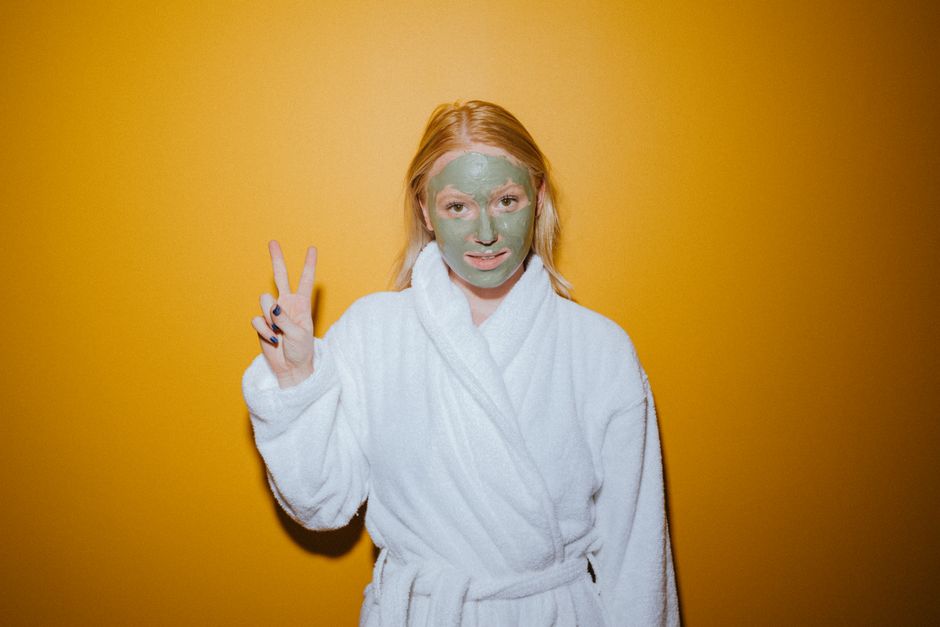
Apply less than you think you need. A sleeping mask should form a thin, even film, not a wet layer that transfers to your pillow. Use this sequence:
- Cleanse with lukewarm water and a mild cleanser. Remove makeup, sunscreen, and sweat completely.
- Apply a hydrating serum or toner if your skin already tolerates it. Do not add new actives on the same night as a new mask.
- Use your normal moisturizer first if your skin is very dry. Combination and oily skin can often skip this step.
- Spread a pea-size amount over the face, keeping it away from the lash line, nostrils, and lips.
- Wait five to ten minutes before lying down so the formula can settle instead of rubbing onto bedding.
- Rinse with a gentle cleanser in the morning, especially if the mask contains oils, silicone, or a rich cream base.
Mistakes that cause trouble
- Using a sleeping mask every night from the first use. Start with two nights per week and increase only if your skin stays calm.
- Layering it over several serums, facial oils, and a thick moisturizer. Too many layers increase heat, tackiness, and the chance of clogged pores.
- Applying it to active, broken, or freshly exfoliated skin. A leave-on mask can make stinging last longer.
- Choosing a heavy balm for an oily T-zone. Use the mask on dry cheeks only, or select a gel texture.
- Expecting the product to fix acne. Occlusion can make some breakouts feel worse, while acne usually needs a separate treatment plan.
If your skin feels hot, itchy, or unusually tight after use, wash the mask off and stop testing it. A useful sleeping mask should make the next morning easier, not turn your routine into a recovery project.
Who should skip overnight face masks?
When a regular moisturizer is the better buy
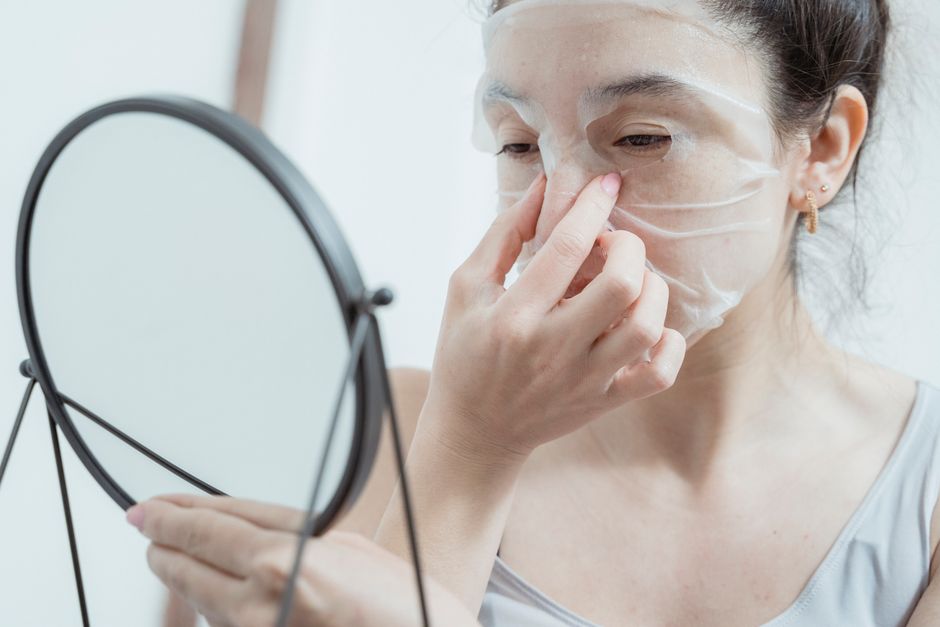
Skip a sleeping mask if your current moisturizer already prevents overnight tightness. The category often repackages a rich cream in a larger-looking jar with a more dramatic name. If your skin feels comfortable after cleansing and you wake up without flaking, adding another leave-on layer may deliver no meaningful benefit. Spend the money on sunscreen, a gentle cleanser, or a treatment that addresses your actual concern.
Skip it during a flare of eczema, dermatitis, or unexplained redness until you know which ingredients your skin tolerates. A product can contain soothing ingredients and still irritate you through fragrance, preservatives, or an overly occlusive texture. People with very oily or acne-prone skin should also avoid starting with a thick mask across the whole face. A small amount on dry areas is a safer test.
When another treatment makes more sense
Choose a plain barrier cream when the main problem is dryness from cold weather or retinoid use. Choose a leave-on salicylic acid product when clogged pores are the priority, but use it on a separate night and follow its directions. Choose a short-contact hydrating mask when you dislike residue on your pillow. Choose a dermatologist-guided treatment when you have persistent acne, painful redness, sudden peeling, or a rash.
The best buying decision is not the mask with the most claims. It is the product that solves a clear problem without forcing you to add more steps. For dry skin, a rich overnight layer earns its place. For balanced skin, it is optional. For irritated skin, simplicity wins.
Final comparison
These are the clearest picks after weighing price, texture, ingredients, and use case.
| Skin concern | Best choice | Why | Who should avoid it |
|---|---|---|---|
| Dryness on a budget | COSRX Ultimate Nourishing Rice Overnight Spa Mask | $18 for 60 mL with a soft cream texture | People sensitive to niacinamide should patch test |
| Light hydration | Laneige Water Sleeping Mask | Cooling gel, 70 mL, $33 | Very dry skin needing a richer seal |
| Very dry or reactive skin | Summer Fridays Jet Lag Mask | Fragrance-free 64 g cream at $49 | Oily skin that dislikes rich layers |
| Redness-prone skin | Dr. Jart Cicapair Sleepair Intensive Soothing Repair Mask | Centella, peptides, and allantoin in a 75 mL gel | Shoppers seeking the lowest price |