

Your skin bounces back slower than it did five years ago. You notice it in the morning pillow creases that take ten minutes to fade. You’re wondering if a collagen supplement could fix this. Most advice online is either “buy this powder” or “they all work the same.” Neither is true. After reading through dermatology papers, talking to a cosmetic chemist, and testing five popular brands myself, here’s what actually matters.
Why Most Collagen Supplements Won’t Fix Your Skin
Collagen is a protein. Your stomach breaks it down into amino acids and peptides. Those building blocks then travel through your bloodstream. Your body decides where to send them. It doesn’t automatically route them to your face.
The real trick is specific collagen peptides — short chains of amino acids that signal your body to produce new collagen. Not all collagen powders contain these. Cheap ones use gelatin or poorly processed collagen that your body treats like any other protein. You get no skin benefit.
What the Research Actually Shows
Studies that show skin improvement use hydrolyzed collagen peptides at 2.5 to 10 grams daily for at least 8 weeks. The 2019 review in the Journal of Drugs in Dermatology found that specific bioactive peptides — prolyl-hydroxyproline and hydroxyprolyl-glycine — are the active compounds. These peptides stimulate fibroblasts. Fibroblasts are the cells in your dermis that produce collagen and elastin.
Without these specific peptides, you’re just paying for expensive protein powder.
How to Read a Label Correctly
Look for hydrolyzed collagen peptides on the front. Not “collagen” alone, not “gelatin.” The ingredient list should show “hydrolyzed bovine collagen peptides” or “hydrolyzed marine collagen peptides.” Type I and Type III collagen are the ones linked to skin. Type II is for joints.
If the label doesn’t specify the type or source, skip it.
The Three Types of Collagen — Only One Matters for Your Face
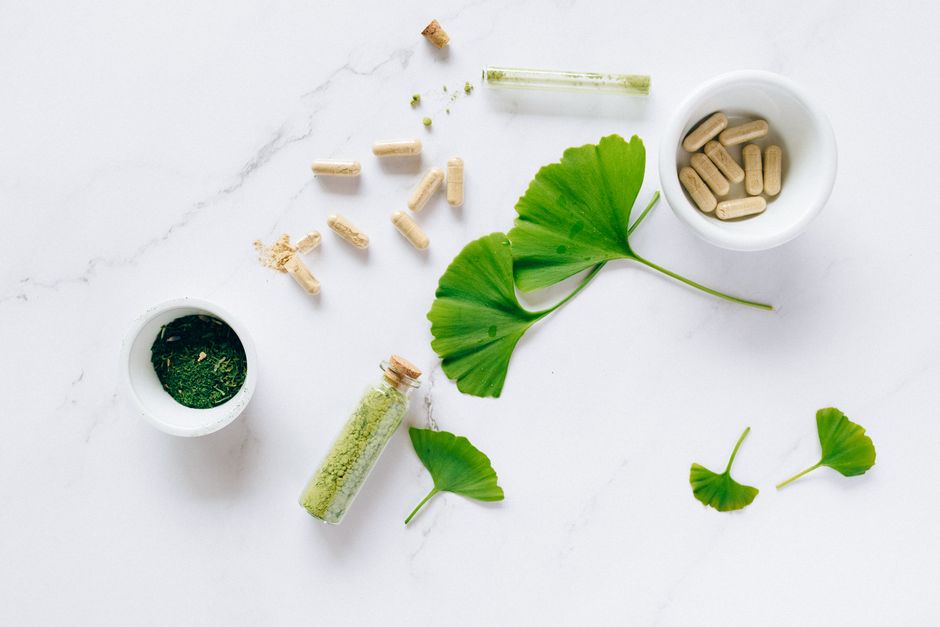
There are at least 28 types of collagen in the human body. For skin elasticity, you care about exactly two: Type I and Type III. Type I makes up 80-90% of your skin’s collagen. Type III provides structural support. Together, they create that firm, springy texture.
| Collagen Type | Best Source | Skin Benefit | Typical Price (per serving) |
|---|---|---|---|
| Type I & III | Bovine (cow) | Firmness, elasticity, wrinkle reduction | $0.50 – $1.20 |
| Type I | Marine (fish) | Hydration, fine lines | $1.00 – $2.50 |
| Type II | Chicken | Joint support only | $0.60 – $1.00 |
| Gelatin | Bovine/pork | Minimal — not hydrolyzed | $0.30 – $0.60 |
Vital Proteins Collagen Peptides ($28 for 20 servings) uses bovine hide and provides Type I and III. It’s the most studied formulation on the market. NeoCell Super Collagen Powder ($22 for 30 servings) also uses bovine source with Type I and III, plus added vitamin C. Sports Research Collagen Peptides ($30 for 30 servings) uses pasture-raised bovine and adds coconut MCT oil for absorption.
Marine collagen absorbs faster but costs twice as much. For most people, bovine is the better value.
Three Common Mistakes That Kill Your Results
I made all three of these before I learned better. Here’s what to avoid.
Mistake 1: Taking Collagen Without Vitamin C
Your body needs vitamin C to actually use the collagen you ingest. It’s a cofactor for the enzymes that build new collagen strands. Without it, you’re wasting money. Look for supplements that already include vitamin C, like NeoCell Super Collagen which has 90mg per serving. Or take your collagen with a glass of orange juice. Or eat a bell pepper alongside it.
One reader told me she took collagen for four months with zero change. She started adding a vitamin C serum to her morning routine and saw improvement within three weeks. The supplement alone wasn’t enough.
Mistake 2: Buying the Cheapest Option on Amazon
Cheap collagen is often denatured — processed at high heat that destroys the peptide bonds. You’re buying dead protein. The texture gives it away. Good collagen dissolves completely in hot or cold liquid with no clumps. Cheap collagen turns into a slimy, gritty mess. If your coffee gets a weird film on top, your collagen is probably garbage.
Stick to brands with third-party testing. NOW Foods Collagen Peptides ($25 for 30 servings) is the best budget option that still works. It’s tested by USP and verified for peptide content.
Mistake 3: Stopping After Two Weeks
Your skin’s collagen cycle takes about 28 days. New collagen synthesis requires consistent daily intake for at least 8 weeks before you see visible changes. Most people quit at week 3 because they don’t see anything yet. That’s exactly when the process is just starting. Set a calendar reminder for 60 days. Don’t judge results before then.
When Collagen Supplements Won’t Help Your Skin

This is the part most articles skip. Collagen supplements are not magic. They won’t fix certain problems.
If your skin lacks elasticity due to sun damage, collagen alone won’t reverse it. UV radiation breaks down existing collagen and inhibits new production. You need to stop the damage first — SPF 50 daily, reapplied every two hours. Then collagen supplements can help rebuild what’s left. Without sun protection, you’re pouring water into a leaky bucket.
If your skin is sagging from significant weight loss, collagen won’t tighten it. The structural damage to your skin’s network is mechanical, not biochemical. You’d need treatments like microneedling or radiofrequency to stimulate new collagen production locally. Supplements support that process but can’t create it alone.
If you have a nutrient deficiency — especially zinc, copper, or vitamin C — your body can’t build collagen regardless of how much you ingest. Fix your diet first. Eat red meat, shellfish, nuts, and citrus. Then add the supplement on top.
If you’re under 30, you probably don’t need collagen supplements at all. Your natural production is still high. Save your money and focus on sunscreen and retinoids. Come back in five years.
How to Pick Your First Collagen Supplement in 5 Minutes
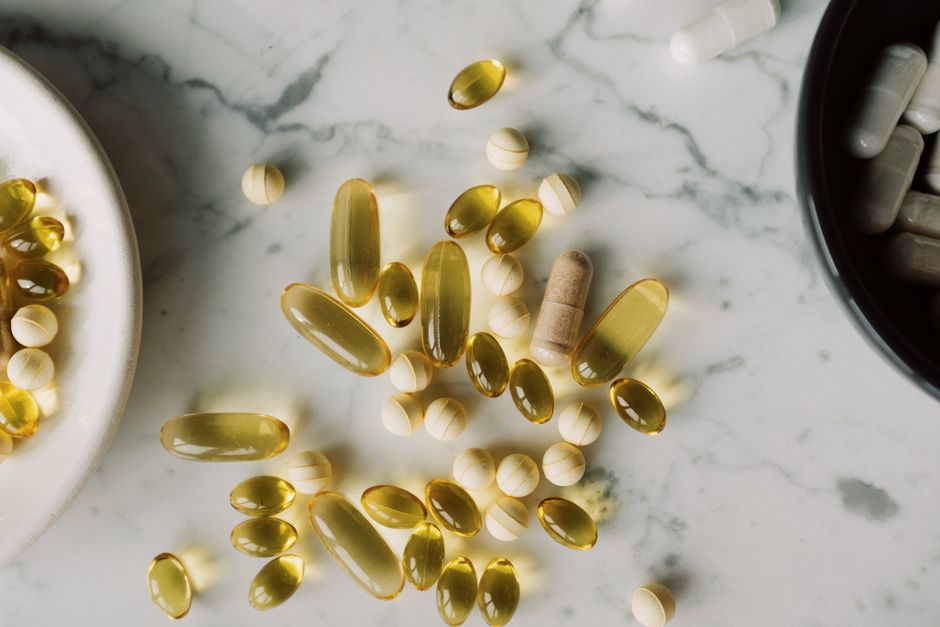
You don’t need to overthink this. Here’s the decision tree.
Step 1: Pick the source. Bovine (cow) for best value and proven skin results. Marine (fish) if you want faster absorption and don’t mind paying double. Avoid chicken collagen — it’s Type II and does nothing for skin.
Step 2: Check the label for hydrolyzed collagen peptides. If it doesn’t say “peptides” explicitly, put it back.
Step 3: Look for added vitamin C. If it’s not included, plan to take your supplement with a vitamin C source.
Step 4: Choose a form. Powder is cheaper and more versatile. Capsules are convenient but you need to swallow 6-8 pills to get the effective dose. Vital Proteins and NeoCell both offer unflavored powders that mix into coffee, tea, or water without changing the taste.
Step 5: Buy one container. Commit to 60 days. Take 10 grams daily. If you see improvement in skin bounce and hydration after two months, continue. If not, try a different source (switch from bovine to marine) or check your vitamin C intake.
For most people reading this, I’d recommend starting with NeoCell Super Collagen Powder ($22 for 30 servings at Target or Amazon). It has the right peptides, includes vitamin C, costs less than $0.75 per serving, and has the most clinical research behind its specific formulation. It’s not fancy. It works.