
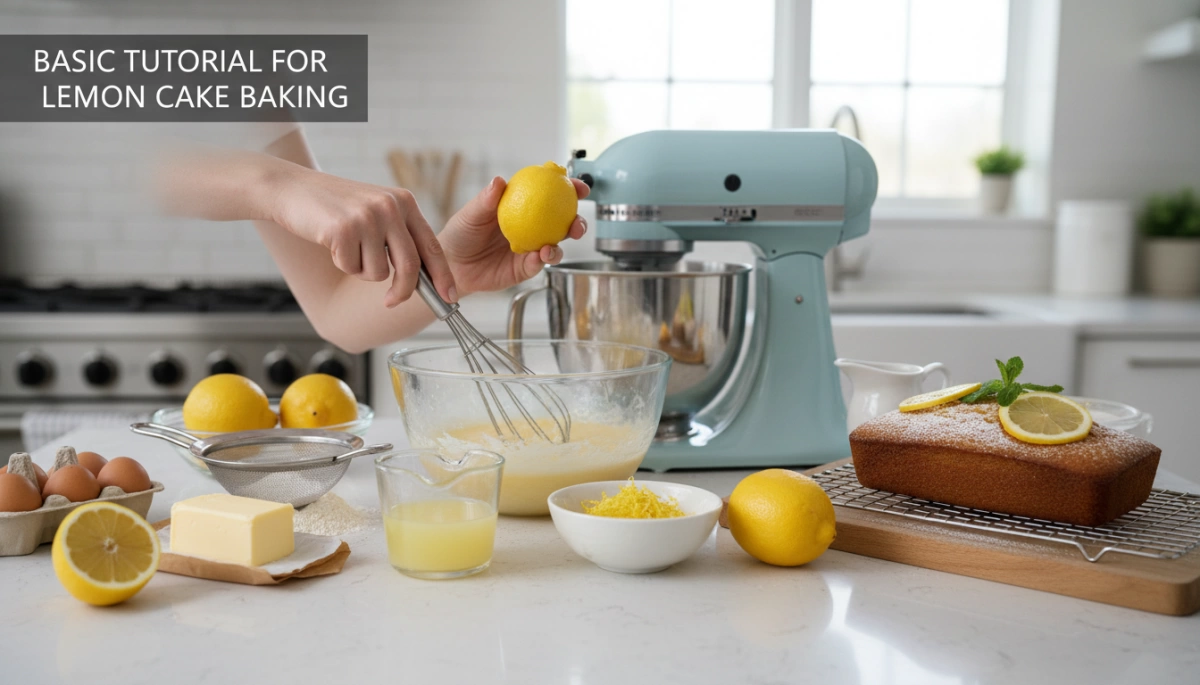
Why This ‘Back-to-Basics’ Recipe Works
Starting with a basic lemon cake recipe is the best way to master a moist lemon cake with the perfect crumb and flavor. This recipe nails that soft, tender crumb—light yet sturdy enough to hold its shape. The flavor strikes a fresh balance between sweet and tart, giving you that classic lemon zing without overpowering sweetness.
The secret lies in the creaming method. By beating butter and sugar together until pale and fluffy, you’re whipping air into the batter, which creates lift and structure. This step is crucial for a fluffy lemon sponge that isn’t dense or heavy. It also helps the lemon flavors shine through, making every bite fragrant and delicious.
Stick with this technique, and you’ll see why simple, precise steps make for the easiest homemade lemon cake from scratch—even for beginners.
Essential Equipment: What You Actually Need
When baking a moist lemon cake recipe, having the right equipment makes a big difference. Let’s break down what you actually need.
The Pan: Loaf Pan vs. Round Cake Pan
- Loaf Pan: Great for a classic shape and even baking. It usually gives a taller cake with a nice crust. The downside? It can bake slower in the center, so watch the time.
- Round Cake Pan: Heats more evenly and bakes faster, which is perfect for a fluffy lemon sponge. However, the cake tends to be shorter and wider, so it might dry out if left too long in the oven.
Choose based on your preference for cake shape and heat distribution.
Mixing Tools: Stand Mixer vs. Hand Mixer vs. Whisk
- Stand Mixer: Ideal for creaming butter and sugar efficiently, giving great aeration and lift.
- Hand Mixer: More affordable and still effective for beginners. Makes the creaming method easier than whisking by hand.
- Whisk: Fine for small batches or if you want to do it all manually, but it takes more effort to get that fluffy texture.
Zesting Tools: Microplane vs. Box Grater
- Microplane: Best for fresh lemon zest. It finely grates the outer yellow layer without digging into the bitter white pith underneath.
- Box Grater: A good backup, but be cautious to only remove the yellow zest to avoid bitterness.
Measuring: Digital Kitchen Scale vs. Measuring Cups
Using a digital kitchen scale gives you accuracy and consistency every bake, especially for flour and sugar, which is crucial to prevent dry cake or dense texture. Measuring cups can vary based on packing and humidity, so a scale is highly recommended for this easy lemon drizzle cake and other homemade lemon cake from scratch recipes.
For more baking tips for beginners, including equipment advice, check out this guide on quick and healthy cooking basics.
The Building Blocks: Ingredients & The Science of Acidity
Using fresh lemon juice is a must for any moist lemon cake recipe. Bottled juice lacks the bright, natural zing that fresh lemons deliver, which is key for that perfect balance of sweet and tart. Alongside the juice, fresh lemon zest really elevates the flavor. It carries the lemon’s essential oils, giving your cake a fragrant aroma that bottled alternatives simply can’t match.
When it comes to fats, butter and oil serve different purposes. Butter adds rich flavor and helps with structure, while oil provides extra moisture. For the best texture—think fluffy lemon sponge—a butter-based or a butter-oil blend works wonders. This combination keeps the cake tender without sacrificing taste.
Acidity plays a crucial role in creating a tender crumb. The fresh lemon juice reacts with baking powder or soda and acidic dairy like buttermilk or sour cream to produce tiny bubbles, lifting the batter as it bakes. This reaction is what gives your lemon cake that light, soft texture.
Remember the room temperature rule: eggs and butter should be at room temp before mixing. Cold ingredients can cause the batter to curdle, affecting texture and rise. Letting them warm up ensures everything blends smoothly, which is essential to good aeration in your batter.
For more helpful tips on baking basics and getting your ingredients just right, check out this handy baking tips for beginners.
Step-by-Step Baking Instructions for Moist Lemon Cake
Step 1: Mise en Place (Prep Work)
Start by preheating your oven to the right temperature and prepping your pan. Whether you’re using a loaf pan or a round cake pan, grease it well and line it with parchment paper—a simple hack that makes removing your cake a breeze without sticking. Next, take your fresh lemon zest and rub it into the sugar. This little pro-tip boosts the lemon flavor by releasing essential oils into the sugar, making your homemade lemon cake from scratch even more fragrant and delicious.
Step 2: The Creaming Phase
This step is key to a fluffy lemon sponge. Beat your softened butter and sugar together until the mixture becomes pale and fluffy—this means air has been incorporated, which adds lift to your cake. Look for visual cues like a lighter color and increased volume. Then, add your eggs one at a time, mixing well after each addition. This helps maintain an emulsion, preventing your batter from curdling and ensuring a smooth texture.
Step 3: Combining Wet and Dry Ingredients
Now it’s time to combine your flour mixture with the liquid (milk or buttermilk). Add them alternately—start and end with the flour mix. This technique keeps the batter balanced. But here’s a crucial warning: do not overmix. Overmixing activates gluten too much, resulting in a dense, rubbery cake rather than a moist lemon cake recipe. Mix just until combined for the best tender crumb.
Step 4: Baking Properly
Place your cake on the middle rack in the oven for even heat distribution. Keep an eye on your cake’s surface—it should turn a golden color. To test doneness, insert a skewer; it should come out clean or with just a few crumbs. Another touch test is to lightly press your cake’s top; it should spring back. Avoid opening the oven too early to prevent sinking, a common beginner’s mistake.
For more beginner-friendly baking tips and easy-to-follow recipes, check out this simple baking guide.
The Finish: Making the Perfect Lemon Glaze
Getting the lemon glaze just right can take your moist lemon cake recipe from good to unforgettable. The secret lies in the balance: use about 1 cup of powdered sugar to 2-3 tablespoons of fresh lemon juice. This ratio creates a glaze that’s pourable but will set with a smooth, opaque finish once it cools.
Timing matters, too. If you glaze the cake while it’s still warm, the icing soaks in, which adds moisture and intensifies the lemon flavor throughout the cake. For a sharper contrast, wait until the cake is completely cool—this lets the glaze sit on top, giving a shiny, slightly crisp coating that’s perfect for an easy lemon drizzle cake.
Whichever way you choose, applying the glaze with a spatula or spoon ensures an even, beautiful finish that highlights the fresh lemon zest and sweet-tart balance you worked hard to build. For tips on getting the best texture, consider pairing this with a cooling rack to let excess glaze drip off smoothly.
For more ideas on layering flavors, check out related recipes on how to make mini desserts with vibrant citrus notes.
Troubleshooting Common Lemon Cake Issues
Even with a solid moist lemon cake recipe, problems can pop up. Here’s how to fix the most common issues:
-
Cake sinking in the middle
This usually means the cake was either underbaked or the oven door was opened too early during baking. Both cause the cake to collapse because it hasn’t set properly. Always keep the oven door closed until near the end of the bake time, and test doneness with a skewer before removing.
-
Dense texture
A dense or heavy crumb often happens if the ingredients—especially butter and eggs—aren’t at room temperature, or if you overmix the batter. Cold ingredients don’t combine well, and overmixing develops gluten, resulting in a tough cake. Stick to gentle folding and ensure all ingredients are properly warmed before combining.
-
Cracked top
A cracked cake top can come from an oven that’s too hot or using a pan that’s too small for the batter. This isn’t a baking fail; it’s pretty normal, especially for loaf pans where the batter rises and cracks as it bakes. If making a round cake, try lowering the oven temperature slightly or switching to a bigger pan.
For more baking tips for beginners to keep your lemon cake perfect every time, consider reliable measuring with a kitchen scale for baking to achieve consistent results. And if you want to explore variations, check out our guide on homemade chocolate cheesecake recipes to mix things up with your baking skills.
Storage and Shelf Life for Moist Lemon Cake
To keep your moist lemon cake recipe fresh and soft, store it at room temperature in an airtight container. This prevents the cake from drying out and helps maintain its fluffy lemon sponge texture. Avoid leaving it exposed to air for too long, as this can make the crumb dense and dry.
If you want to store the cake for longer, freezing is a great option. For best results:
- Slices: Wrap each slice tightly in plastic wrap, then place them in a freezer bag. This method makes it easy to grab a portion at a time.
- Whole loaf: Wrap the entire cake in plastic wrap and then in aluminum foil to protect it from freezer burn.
When ready to enjoy, thaw slices or the whole cake at room temperature. Using these tips will preserve that fresh lemon flavor and texture, perfect for when you want an easy lemon drizzle cake anytime.
Frequently Asked Questions (FAQ)
Can I use gluten-free flour?
Yes, you can use gluten-free flour to make a moist lemon cake, but choose a blend specifically designed for baking. These usually contain xanthan gum or other binders to mimic gluten’s structure, helping maintain the cake’s fluffy lemon sponge texture. Keep in mind that the crumb might be a bit denser than with regular flour.
Can I reduce the sugar without ruining the texture?
You can reduce the sugar slightly, but don’t cut too much. Sugar not only sweetens but also helps with moisture retention and tender crumb development in this homemade lemon cake from scratch. If you go too low, the cake might turn out dry or denser. A good rule is to reduce sugar by no more than 1/4 cup in a standard recipe.
How to make it a ‘Lemon Drizzle’ cake?
To transform your basic lemon cake into an easy lemon drizzle cake, use the poking holes technique right after baking. While the cake is still warm on a cooling rack, gently poke holes all over the top with a skewer or fork, then pour your lemon glaze over it. This helps the glaze soak in, keeping the cake moist and bursting with fresh lemon zest flavor, rather than just sitting on top as a coating.
For more detailed tips and troubleshooting, always rely on room temperature ingredients and careful creaming butter and sugar to get the best results every time.