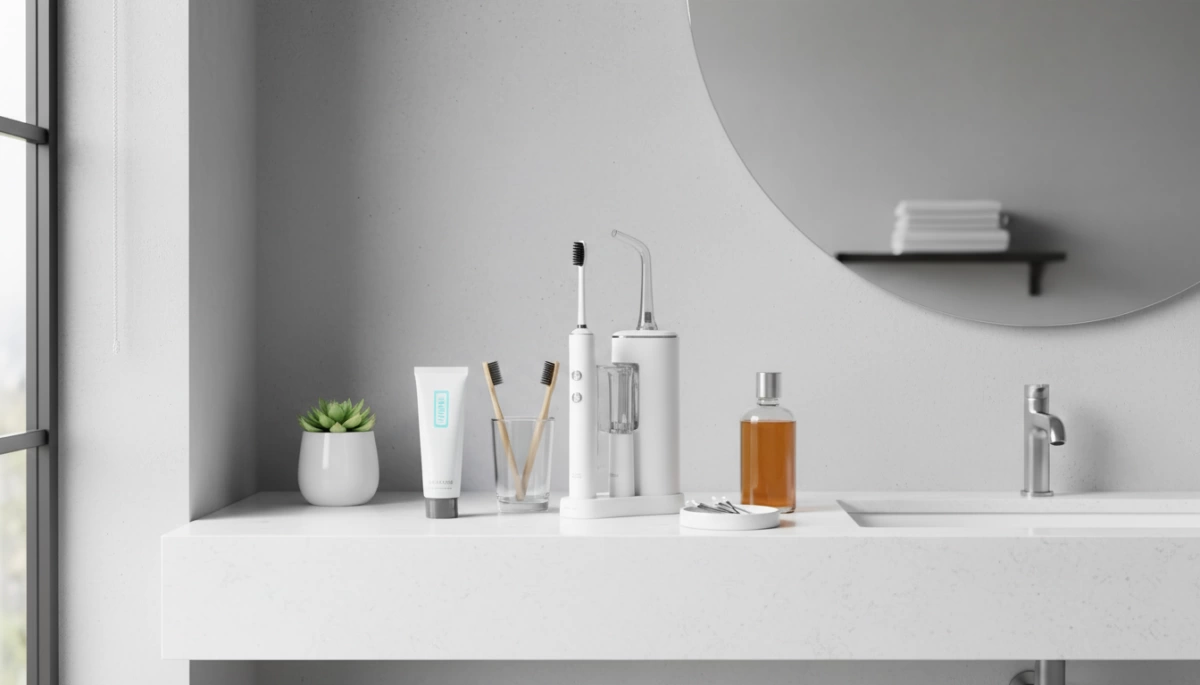
Effective daily maintenance for oral hygiene starts with precision brushing techniques. Choosing the right tool is key. Both manual and electric toothbrushes offer benefits: manual brushes provide control and affordability, while electric toothbrushes often improve plaque removal and encourage consistent brushing.
Soft Bristle Importance for Enamel Protection
Always select a soft-bristled toothbrush. Hard bristles can wear down enamel and harm gums, leading to sensitivity and gum recession. Soft bristles clean gently but thoroughly, protecting your teeth’s delicate surfaces.
The Modified Bass Technique
Master the Modified Bass Technique for optimal plaque removal. Here’s how to do it:
Place the brush at a 45-degree angle to the gum line.
Use short, vibratory strokes to dislodge plaque from beneath the gums.
Focus on each section carefully, ensuring you reach all tooth surfaces.
Timing and Frequency: The 2-Minute, Twice a Day Rule
Brush for two minutes, twice a day—morning and night—for the best results. This timing ensures enough contact to remove dental plaque effectively, reducing your risk of gingivitis and tartar buildup.
Toothpaste Composition: Fluoride and Hydroxyapatite Benefits
Use toothpaste containing fluoride and, if possible, hydroxyapatite. Fluoride strengthens enamel and helps prevent cavities, while hydroxyapatite supports enamel repair and remineralization. Together, they form a powerful defense against enamel erosion and decay.
By combining precise brushing tools and techniques with the right toothpaste, you build a solid foundation for maintaining excellent oral hygiene every day.
Interdental Cleaning: The Step You Cannot Skip
Brushing alone misses critical surfaces between your teeth where dental plaque builds up and causes gum issues like gingivitis. That’s why interdental cleaning is essential for daily maintenance and preventing tartar buildup.
Traditional floss is a popular choice. You can pick waxed or unwaxed floss based on what feels smoother to slide between your teeth. The wax coating helps prevent shredding, especially in tight spaces. Use the C-Shape method: curve the floss around each tooth and slide it gently below the gumline to remove trapped plaque effectively.
Water flossers (oral irrigators) are excellent if you have braces, implants, or trouble handling regular floss. They can be used as a supplement or sometimes a substitute, providing a gentle water stream that cleans hard-to-reach areas without damaging your gums.
Interdental brushes are another effective tool, especially for wider gaps. Choosing the correct size is key to avoid gum trauma—too large, and you risk hurting your gums; too small, and cleaning won’t be efficient.
Incorporating these tools into your oral hygiene routine makes a major difference.
Chemical Maintenance: The Role of Mouthwash
Mouthwash can be a powerful ally in daily maintenance for oral hygiene, but understanding the differences and proper use is key. There are two main types: therapeutic and cosmetic mouthwashes. Therapeutic rinses contain active antibacterial ingredients like CPC (cetylpyridinium chloride) or essential oils that help reduce dental plaque and fight gingivitis. Cosmetic mouthwashes mainly freshen breath without targeting oral bacteria.
Using a fluoride mouthwash adds another layer of protection by strengthening enamel and helping prevent cavities. However, timing matters — avoid rinsing right after brushing with fluoride toothpaste. Doing so can wash away the fluoride residue you want to stay on your teeth for maximum benefit.
To get the most from mouthwash in your oral hygiene routine, consider these tips:
Choose therapeutic mouthwashes with proven antibacterial agents for plaque removal.
Use fluoride rinses especially if you’re prone to cavities or have enamel erosion.
Rinse at a different time than brushing, ideally after meals or before bed.
Don’t swallow mouthwash and follow product instructions for frequency.
Proper chemical maintenance complements brushing and interdental cleaning, helping you keep your smile fresh and your teeth protected. For more on daily hygiene habits that truly work, my personal tips on skincare routines might also give insights into maintaining consistent care habits.
The Forgotten Reservoir: Tongue Cleaning
Tongue cleaning is often overlooked but plays a vital role in daily maintenance for oral hygiene. The tongue’s surface acts as a reservoir, trapping bacteria that cause dental plaque and halitosis (bad breath). If left unchecked, these bacteria can multiply and lead to discomfort and even gum issues.
When it comes to cleaning, a tongue scraper is far more effective than a toothbrush. While a toothbrush can remove some buildup, a scraper is specifically designed to gently lift away the bacterial film without irritating the tongue. For the best results, hold the scraper at the back of the tongue and slowly drag it forward. Repeat this 3-4 times, rinsing the scraper after each pass.
Incorporating proper tongue scraping into your routine contributes significantly to fresher breath and lower plaque formation, supporting overall gingivitis prevention and oral health.
Dietary Habits for Enamel Preservation
Your daily diet plays a huge role in keeping your enamel strong and healthy. It’s not just about how much sugar you eat, but how often. Frequent sugar intake triggers repeated acid attacks on your teeth, leading to enamel erosion over time. Acidic drinks and foods like soda, citrus fruits, and vinegar can also wear down enamel, making your teeth more vulnerable.
One key tip is the 30-minute rule: avoid brushing your teeth right after consuming acidic foods or drinks. The acid softens your enamel temporarily, and brushing too soon can actually cause more damage. Instead, wait half an hour to give your enamel time to re-harden.
Hydration is another simple but powerful tool. Drinking plenty of water helps neutralize acids in your mouth and washes away food particles, reducing the risk of plaque buildup and enamel weakening.
For a healthy lifestyle that supports oral care and overall wellbeing, you might also find insights in recipes like this classic banana bread that balance taste and nutrition.
Common Maintenance Mistakes to Avoid
When it comes to daily maintenance for oral hygiene, some mistakes can do more harm than good. First, aggressive brushing—scrubbing too hard or using a hard-bristled toothbrush—can cause gum recession and enamel abrasion. This leads to sensitive teeth and exposes roots to decay. Always use a soft-bristled toothbrush and gentle pressure.
Another common slip is neglecting night oral care. Saliva flow decreases during sleep, which means less natural protection against bacteria and acid attacks. Skipping your evening routine gives plaque a chance to build up unchecked, increasing the risk of cavities and gingivitis.
Finally, ignoring bleeding gums is a red flag. Bleeding during brushing or flossing often signals underlying inflammation or infection, such as early-stage gingivitis. Don’t brush off this symptom—consult your dentist to avoid progression to more serious periodontal issues.
Avoiding these mistakes ensures your daily oral hygiene routine stays effective in dental plaque removal and gingivitis prevention. Remember, gentle care and consistent habits do the heavy lifting for a healthy smile.
When Daily Maintenance Isn’t Enough
Even with the best daily maintenance for oral hygiene, sometimes plaque hardens into calculus, or tartar, which you can’t remove by brushing or flossing alone. This hardened buildup can lead to gum disease and tooth decay if left untreated.
That’s why professional dental cleaning is essential. Most people benefit from a standard dental checkup and cleaning every six months. These visits help control tartar buildup and catch early signs of problems like gingivitis.
However, if you have periodontal concerns or a higher risk of gum disease, your dentist might recommend more frequent cleanings—sometimes every three to four months. Regular professional care complements your daily routine by keeping your mouth truly clean and healthy beyond what brushing and interdental cleaning can achieve.