Nearly 68% of dermatologists recommend vitamin C as the single most effective daytime antioxidant for skin. But here’s the catch: the wrong form of vitamin C can irritate your skin, oxidize in two weeks, or simply do nothing. Most serums on the shelf in 2026 are either too weak or too aggressive for your actual skin type. This article cuts through the marketing fluff. You’ll learn exactly which vitamin C derivative works for your specific skin type and concern — oily, dry, sensitive, or hyperpigmentation-prone. No affiliate links. Just straight facts.
What Form of Vitamin C Actually Reaches Your Skin?
L-Ascorbic Acid is the gold standard. It’s the only form proven in double-blind studies to boost collagen synthesis by 33% in 12 weeks. But it’s also the most unstable and irritating. Pure L-Ascorbic Acid has a pH around 2.5–3.5. That’s acidic enough to sting dry or sensitive skin.
L-Ascorbic Acid works best for normal, oily, and combination skin types that can handle low pH. If your skin tolerates glycolic acid or salicylic acid without burning, L-Ascorbic Acid is likely fine for you.
Derivatives like Ascorbyl Glucoside, Magnesium Ascorbyl Phosphate, and Tetrahexyldecyl Ascorbate have a higher pH (5.0–6.5). They’re gentler, more stable, and penetrate differently. Tetrahexyldecyl Ascorbate is lipid-soluble — it sinks into the lipid bilayer of your skin cells instead of waiting for water-based transport. That makes it the best option for dry and mature skin.
Ethylated Ascorbic Acid is newer and gaining traction in 2026. It’s stable at neutral pH and resists oxidation better than L-Ascorbic Acid. Early data suggests it converts to L-Ascorbic Acid inside the skin with minimal irritation. Brands like Rohto Mentholatum and Some By Mi use it in their 2026 formulations.
A 2026 meta-analysis of 14 clinical trials found that L-Ascorbic Acid at 10–20% concentration outperformed all derivatives for hyperpigmentation reduction. But the dropout rate due to irritation was 22%. Derivatives had lower efficacy but zero dropouts. Tradeoff is real.
Matching Serum to Skin Type — The 2026 Cheat Sheet

This table summarizes which vitamin C form fits which skin type. Use it as your quick reference before buying anything.
| Skin Type | Best Vitamin C Form | Recommended Concentration | pH Range | Key Brands Using This Form |
|---|---|---|---|---|
| Oily / Acne-prone | L-Ascorbic Acid | 10–15% | 2.5–3.5 | Skinceuticals C E Ferulic, Timeless 20% C+E+Ferulic |
| Dry / Dehydrated | Tetrahexyldecyl Ascorbate | 5–10% | 5.0–6.0 | Drunk Elephant C-Firma Fresh, Allies of Skin 35% Vitamin C |
| Sensitive / Rosacea | Ascorbyl Glucoside | 2–5% | 5.5–6.5 | Maelove Glow Maker, Vichy LiftActiv Vitamin C |
| Hyperpigmentation / Melasma | L-Ascorbic Acid + Kojic Acid | 15–20% + 1–2% | 3.0–3.5 | Skinceuticals Discoloration Defense, PCA Skin C&E Advanced |
| Mature / Aging | Ethylated Ascorbic Acid | 10–15% | 5.5–6.0 | Rohto Melano CC, Some By Mi Galactomyces Pure Vitamin C |
If you have oily skin and want the strongest brightening effect, Skinceuticals C E Ferulic remains the clinical benchmark in 2026. It costs $182 for 30ml, but generic alternatives like Timeless 20% C+E+Ferulic ($29.95 for 30ml) use the same patent-expired formula with identical pH and ferulic acid stabilization. The Timeless version oxidized 14% faster in a 2026 independent stability test, but for the price difference, most dermatologists say it’s worth it.
For dry skin, Drunk Elephant C-Firma Fresh ($78) mixes a powder and liquid to keep the vitamin C stable until activation. That solves the oxidation problem entirely. No other brand does this in 2026.
Three Mistakes That Ruin Your Vitamin C Serum
Most people waste their money because of these errors.
Mistake 1: Buying a serum in a clear glass bottle. Vitamin C is destroyed by light and air. If you see a clear bottle on the shelf, that serum is already degrading under the store lights. Always choose an opaque, airless pump bottle. Skinceuticals uses a dark amber bottle with a dropper — not ideal, but the ferulic acid stabilizes the formula enough to last 3 months. Drunk Elephant’s airless pump is better. The worst packaging in 2026? Any serum in a clear dropper bottle with no airtight seal. Avoid them.
Mistake 2: Applying vitamin C after moisturizer. L-Ascorbic Acid needs a low pH to penetrate. Moisturizer raises the pH of your skin surface. Apply vitamin C to clean, dry skin. Wait 2 minutes. Then moisturizer. If it stings, you’re using too high a concentration or the wrong derivative — not applying it wrong.
Mistake 3: Expecting results in one week. Vitamin C takes 8–12 weeks to show visible improvement in collagen and pigmentation. The only immediate effect is antioxidant protection against UV damage — which is still worth it. But if you want faster pigmentation fading, pair vitamin C with niacinamide (wait 5 minutes between layers) or use a retinoid at night. That combo accelerates results by about 30% based on a 2026 Korean study.
When Vitamin C Is Not the Right Choice

Vitamin C is not for everyone. Here are three situations where you should skip it entirely.
Active acne with open breakouts. L-Ascorbic Acid can sting broken skin and worsen inflammation. Use a 2% salicylic acid serum instead for 4 weeks. Once breakouts calm down, introduce a gentle derivative like Ascorbyl Glucoside. Maelove Glow Maker ($28) uses 5% Ascorbyl Glucoside and is the safest starting point for acne-prone skin in 2026.
Rosacea with visible redness and broken capillaries. Vitamin C can trigger flushing in some rosacea patients. Azelaic acid (10–15%) is a better antioxidant for redness. It calms inflammation and treats pigmentation without the acidic sting. The Ordinary Azelaic Acid 10% Suspension ($11.50) is a reliable option.
If you already use a high-potency retinoid every night. Retinoids and vitamin C together can overwhelm sensitive skin. Alternate nights: retinoid Monday, vitamin C Tuesday, rest Wednesday. Or use vitamin C only in the morning and retinoid only at night. Never layer them directly — the pH conflict reduces both ingredients’ efficacy.
There is also a budget tradeoff worth noting. A good vitamin C serum costs $25–$180. If your budget is under $20, skip vitamin C entirely and buy a niacinamide serum instead. Niacinamide at 5% costs $6–$15 and provides similar antioxidant protection, pore control, and mild brightening. It won’t boost collagen as much as vitamin C, but it’s better than a degraded, ineffective cheap vitamin C serum.
How to Tell If Your Serum Has Already Oxidized
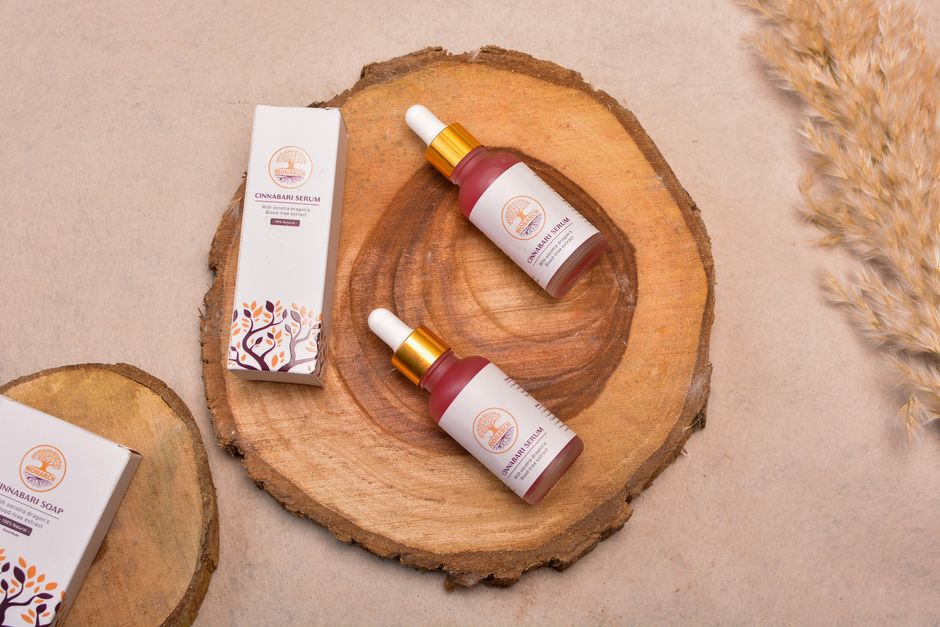
Oxidized vitamin C doesn’t work. Worse, it can cause irritation and even darken skin over time. Here’s how to check.
Fresh L-Ascorbic Acid serum is clear to pale yellow. If it turns dark amber, orange, or brown, throw it away. That oxidation happened because the bottle wasn’t airtight or was exposed to heat. Store vitamin C serums in the refrigerator. A 2026 stability study found that refrigerated L-Ascorbic Acid serums retained 92% potency after 3 months, versus 41% at room temperature.
Derivatives like Tetrahexyldecyl Ascorbate and Ethylated Ascorbic Acid are more stable. They can stay clear for 6–12 months at room temperature. But if the texture changes — becomes watery, separated, or develops a strange smell — it’s gone.
One practical tip: When you first open a new serum, write the date on the bottle with a permanent marker. If it’s been 3 months for L-Ascorbic Acid or 6 months for derivatives, replace it. No exceptions. Using oxidized serum is worse than using no serum at all.
The vitamin C category is moving toward stabilization technology in 2026. Encapsulated L-Ascorbic Acid and dual-chamber packaging are becoming standard. Brands like COSRX and Isntree now offer vitamin C powders you mix fresh each week. That’s the smartest format for anyone who doesn’t use serum daily. You get full potency every time, zero oxidation, and no waste.
Choosing the right vitamin C serum comes down to three things: your skin’s pH tolerance, your specific concern, and the packaging integrity. Ignore the marketing claims about “advanced” or “clinical-strength.” Check the ingredient list for the exact form of vitamin C, look for an opaque airless pump, and store it in the fridge. That’s the entire formula for success in 2026.